Blog

  • From Awareness to Action: How You Can Contribute on Cancer Awareness Day

    From Awareness to Action: How You Can Contribute on Cancer Awareness Day

    Cancer remains one of the leading causes of death worldwide, affecting millions of families every year. While medical research and healthcare improvements are vital, public awareness plays an equally crucial role in prevention, early detection, and support for those battling the disease. Cancer Awareness Day serves as a reminder that knowledge and action can make a significant difference. But awareness alone is not enough — translating it into actionable steps is key to creating real impact.

    Understanding the Importance of Cancer Awareness

    Cancer awareness encompasses more than just recognizing the disease. It involves understanding the risk factors, symptoms, preventive measures, and the need for regular screenings. Knowledge empowers individuals to make informed lifestyle choices, adopt healthier habits, and seek medical advice at the right time. Awareness also helps in reducing social stigma, encouraging patients and survivors to share their experiences, and promoting a culture of empathy and support.

    Simple Ways to Contribute on Cancer Awareness Day

    1. Educate Yourself and Others: Start by learning about common cancers such as breast, lung, cervical, and colorectal cancer. Share verified information through social media, blogs, or community gatherings. Simple tips like quitting smoking, maintaining a healthy diet, and exercising regularly can prevent several types of cancer.

    2. Participate in Health Campaigns: Many organizations conduct free screenings, webinars, and awareness drives on Cancer Awareness Day. Participating in these events, whether online or offline, helps spread knowledge while also showing solidarity with cancer patients and survivors.

    3. Donate to Support Cancer Research and Care: Funding research, medical care, and patient support programs is a direct way to make an impact. Even small contributions can help provide treatments, counseling, and awareness initiatives. Choose verified NGOs and hospital foundations for maximum impact.

    4. Volunteer Your Time and Skills: Not everyone can contribute financially, but your time and skills are equally valuable. Volunteer at hospitals, cancer care centers, or awareness events. You could help organize events, assist patients, or use your professional skills to support campaigns.

    5. Encourage Regular Screenings: Early detection saves lives. Use the day to remind your friends, family, and colleagues about the importance of regular health check-ups and screenings. Educate them about self-examinations and routine medical tests.

    6. Promote Healthy Lifestyle Choices: Small daily actions — such as reducing alcohol intake, avoiding tobacco, maintaining a balanced diet, and staying physically active — can significantly reduce cancer risk. Awareness days are a great opportunity to inspire your community to embrace these habits.

    Moving from Awareness to Sustained Action

    While Cancer Awareness Day is a focused event, the ultimate goal is to make awareness a continuous practice. Commit to yearly check-ups, support patients in your network, or participate in campaigns throughout the year. Encourage workplaces, schools, and local communities to integrate cancer education into their programs.

    Conclusion

    Cancer Awareness Day is more than a symbolic event; it’s a call to action. By educating yourself, supporting patients, contributing to research, and promoting healthy habits, you can make a tangible difference. Every effort, no matter how small, brings us one step closer to prevention, early detection, and improved care. Awareness alone is the first step — action is what truly saves lives.

    Take Action Today: Participate in a local campaign, donate to a trusted cancer organization, or simply talk to someone about cancer prevention. Every action counts.

  • World Polio Day 2025: Spreading Awareness and Strengthening Prevention for a Polio-Free Future

    World Polio Day 2025: Spreading Awareness and Strengthening Prevention for a Polio-Free Future

    Introduction

    Every year, World Polio Day is observed on October 24 to raise awareness about the importance of eradicating poliomyelitis (polio) — a crippling and potentially deadly infectious disease caused by the poliovirus. In 2025, this day serves as a reminder that while the world has made remarkable progress toward a polio-free future, the fight isn’t over yet.

    Polio mainly affects children under five years of age, attacking the nervous system and potentially causing irreversible paralysis. Through global vaccination efforts, the disease has been eliminated from most countries, but vigilance, awareness, and immunization must continue until the virus is eradicated completely.

    What Is Polio?

    Polio is a highly contagious viral disease that spreads mainly through contact with contaminated water or food. The virus multiplies in the intestine and can invade the nervous system, leading to paralysis within hours.

    Types of Poliovirus:

    1. Wild Poliovirus (WPV) – The naturally occurring virus still found in limited regions.

    2. Vaccine-Derived Poliovirus (VDPV) – A rare strain that can emerge in under-immunized communities.

    There are three strains of wild poliovirus (WPV1, WPV2, and WPV3) — with WPV2 and WPV3 already declared eradicated. Only Afghanistan and Pakistan continue to report cases of WPV1.

    Global Progress Toward Eradication

    Since the launch of the Global Polio Eradication Initiative (GPEI) in 1988, worldwide cases have dropped by over 99% — from 350,000 annual cases to fewer than a few dozen today.
    Key organizations like WHO, UNICEF, Rotary International, and the Bill & Melinda Gates Foundation have been instrumental in this progress.

    However, occasional outbreaks in under-vaccinated areas remind us that the virus can return if we let our guard down.

    Why Awareness Still Matters

    While vaccines are available, awareness and education remain critical:

    • Many parents are unaware that multiple doses of the oral polio vaccine (OPV) are required.

    • Misinformation and fear still cause vaccine hesitancy in certain regions.

    • Clean water and sanitation also play a key role in preventing transmission.

    Raising awareness helps ensure community participation and sustained vaccination coverage — the cornerstone of eradication.

    The Role of Vaccination

    The Oral Polio Vaccine (OPV) and the Inactivated Polio Vaccine (IPV) are the two main vaccines that protect children.
    Regular immunization campaigns ensure that every child is protected, especially in high-risk areas.

    Remember:

    “As long as one child remains infected, children everywhere are at risk.”

    What You Can Do

    1. Get Informed: Learn and share facts about polio and vaccination.

    2. Support Immunization Drives: Encourage parents to vaccinate their children.

    3. Volunteer or Donate: Support organizations that work on global eradication.

    4. Spread Awareness Online: Use hashtags like #WorldPolioDay and #EndPolioNow.

    Looking Ahead — A Polio-Free Future

    The goal of a world free of polio is within reach — but only through collective responsibility.
    By ensuring every child, everywhere, is vaccinated and by maintaining global commitment, we can make polio a disease of the past.

    Let’s join hands this World Polio Day 2025 to spread awareness and strengthen prevention for a polio-free future.

    About BloodSaathi

    At BloodSaathi, we believe that health awareness saves lives — whether it’s about blood donation, immunization, or disease prevention. Together, we can build a healthier, safer world.

  • Immunotherapy: A New Frontier in Cancer Treatment and Healing

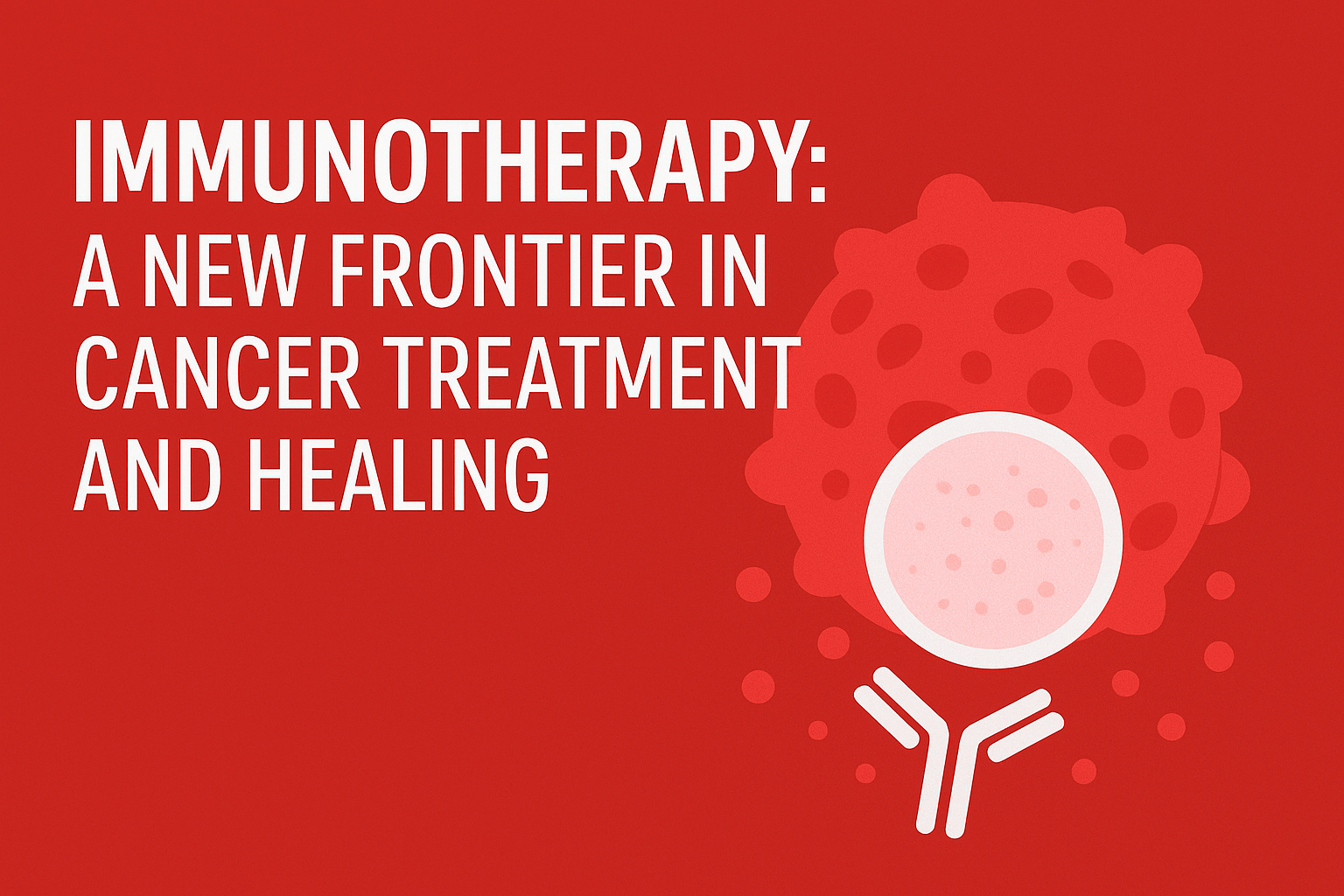
    Immunotherapy: A New Frontier in Cancer Treatment and Healing

    Cancer remains one of the greatest challenges in modern healthcare. For decades, treatment has largely depended on surgery, chemotherapy, and radiation therapy. However, medical science is entering a new era — immunotherapy — a treatment approach that uses the body’s own immune system to fight cancer.

    Unlike conventional treatments that directly attack cancer cells, immunotherapy empowers the body to recognize and destroy them naturally, bringing new hope to patients who have run out of traditional options.

    In this article, let’s explore how immunotherapy works, its types, advantages, and how it’s reshaping the future of cancer care.

    What Is Immunotherapy?

    Immunotherapy is a treatment that boosts or modifies the body’s immune system to better detect and destroy cancer cells.

    Normally, the immune system can identify and eliminate abnormal cells, but cancer cells often find ways to hide or suppress immune responses. Immunotherapy helps the immune system recognize, target, and attack these cancer cells effectively.

    How Does Immunotherapy Work?

    Immunotherapy enhances the immune system in several ways, such as:

    • Stimulating the immune system to recognize and destroy cancer cells.

    • Introducing synthetic immune components designed to attack specific cancer cells.

    • Strengthening the overall immune response to tumor cells.

    Unlike chemotherapy or radiation, immunotherapy specifically targets cancer cells, reducing damage to healthy cells and resulting in fewer side effects.

    Types of Immunotherapy

    There are several types of immunotherapy, each working differently to combat cancer. These treatments can be used alone or in combination with traditional methods like chemotherapy, surgery, or radiation.

    1. Monoclonal Antibodies

    Lab-created molecules that mimic the immune system’s natural defense mechanisms.
    They attach to specific antigens on cancer cells, marking them for destruction by the immune system.

    2. Immune Checkpoint Inhibitors

    These drugs “unlock” the immune system by blocking proteins that prevent immune cells from attacking cancer.
    Examples include Keytruda (pembrolizumab) and Opdivo (nivolumab) — effective against cancers like melanoma and lung cancer.

    3. Cancer Vaccines

    Designed to trigger the immune system to recognize and fight cancer cells.
    Some, like the HPV vaccine, prevent cancer, while others, like Provenge, treat existing cancers.

    4. Adoptive Cell Therapy (CAR T-Cell Therapy)

    This treatment involves removing immune cells (T-cells) from a patient, enhancing them in a lab to attack cancer, and then reintroducing them into the body.
    CAR T-cell therapy has shown remarkable results in certain blood cancers.

    5. Oncolytic Virus Therapy

    This uses genetically modified viruses to infect and kill cancer cells.
    The virus not only destroys the cancer cells directly but also triggers the immune system to attack the remaining ones.

    Robotic Surgery with Immunotherapy

    Robotic-assisted cancer surgeries are increasingly paired with immunotherapy.
    These precise, minimally invasive surgeries remove tumors effectively, often improving outcomes when combined with immune-based treatments.

    How Immunotherapy Is Transforming Lives

    Immunotherapy has opened doors to longer survival, fewer side effects, and better quality of life for cancer patients.
    It’s not just another treatment — it’s a complete shift in how we view the body’s role in healing itself.

     Long-Term Relief and Survival

    For many advanced cancers once thought untreatable, immunotherapy has resulted in long-term remission and even complete recovery.
    Patients with metastatic melanoma, for instance, have seen remarkable survival improvements with immunotherapy.

    Fewer Side Effects, Better Life

    Compared to chemotherapy or radiation, immunotherapy tends to have milder side effects.
    Patients often report higher energy levels, less nausea, and an overall better sense of well-being.

    Emotional and Psychological Hope

    Seeing real progress — like tumor shrinkage or remission — brings not just physical but emotional healing.
    Immunotherapy has given many patients renewed confidence, turning cancer into a manageable condition rather than a terminal one.

    The Future of Cancer Care

    Immunotherapy represents a revolution in modern medicine.
    As research continues, new discoveries are making it more precise, more effective, and accessible to more types of cancer.
    The combination of immunotherapy with technologies like robotic surgery, genetic testing, and personalized medicine is shaping a future where cancer is no longer a death sentence but a treatable condition.

    The Takeaway

    Immunotherapy is more than a treatment — it’s a symbol of hope, resilience, and scientific progress.
    By helping the body heal itself, it offers new possibilities for patients worldwide.

    At BloodSaathi, our mission is to spread awareness about blood and immune health — because a stronger immune system means a stronger defense against diseases like cancer.

    Let’s continue learning, sharing, and supporting those on their healing journey.
    Because when your immune system thrives, so do you.

  • 🩸 Blood Health Is Everything! Why Keeping Your Blood Healthy Matters

    🩸 Blood Health Is Everything! Why Keeping Your Blood Healthy Matters

    We humans depend entirely on the blood flowing through our bodies to survive. Every heartbeat keeps us alive by circulating this vital fluid — carrying oxygen, nutrients, and hormones, while removing waste and toxins.
    That’s why maintaining good blood health is crucial for overall wellness.

    Let’s dive into the importance of blood health, starting with the basics

    What Is Blood?

    Blood is a specialized bodily fluid that performs multiple essential functions. It transports oxygen and nutrients to every cell while removing waste products like carbon dioxide, urea, and other toxins.
    If blood doesn’t flow freely or loses its balance, it can lead to serious — even fatal — health issues.

    What Is Blood Made Of?

    Blood has two main components — plasma and cells.

    Plasma (55% of blood)

    Plasma is the liquid part of blood, made up of about 92% water and 8% other vital substances, including:

    • Proteins

    • Glucose

    • Mineral salts

    • Carbon dioxide

    • Hormones

    • Vitamins

    • Fats

    The Cellular Portion (45% of blood)

    This part consists of:

    1. Red Blood Cells (RBCs or Erythrocytes) – Carry oxygen from the lungs to tissues and remove carbon dioxide.

      • Lifespan: 3–4 months

      • Normal count:

        • Men: 4.5–6.2 million/microliter

        • Women: 4.0–5.2 million/microliter

    2. White Blood Cells (WBCs or Leukocytes) – Defend the body against infections and diseases.

      • Normal count: 3,700–10,500/microliter

    3. Platelets (Thrombocytes) – Help in blood clotting and prevent excessive bleeding.

      • Normal count: 150,000–400,000/microliter

    How Does Blood Function?

    Blood performs vital life-sustaining functions, including:

    • Carrying oxygen to all body tissues

    • Delivering nutrients (amino acids, fatty acids, glucose, etc.)

    • Removing waste products (like urea and lactic acid)

    • Regulating body temperature and pH

    • Protecting against infections

    • Transporting hormones and chemical messages

    • Assisting in healing and clotting

    💉 Common Blood Disorders

    Unhealthy blood can cause serious health conditions. Since blood connects every organ and system, problems in blood health can quickly affect your entire body.

    Some of the most common blood disorders include:

    1. Anemia

    A condition caused by low red blood cells or hemoglobin, leading to fatigue, dizziness, and weakness.

    2. Blood Clots

    When blood thickens and clumps, it can block circulation — potentially leading to stroke or heart attack.

    3. Blood Cancer

    Includes leukemia, lymphoma, and myeloma — all serious conditions that affect blood-forming tissues.

    In fact, poor blood health is connected to a large number of diseases. Since blood supports oxygen delivery, immunity, detoxification, and hormone transport — its health impacts nearly every aspect of your body.


    ❤️ The Takeaway: Healthy Blood, Healthy Life

    Your blood is the foundation of your well-being. From nourishing organs to defending against disease, everything depends on it.
    Unhealthy blood means an unhealthy body — so caring for it should be a top priority.

    Simple steps to improve blood health:

    • Eat iron-rich foods like spinach, beetroot, and lentils

    • Stay hydrated

    • Exercise regularly

    • Get routine blood tests

    • Avoid smoking and excessive alcohol

    At BloodSaathi, we believe that “Blood Health Is Everything.”
    Let’s spread awareness and encourage everyone to take care of their blood — because a healthy flow means a healthy life.