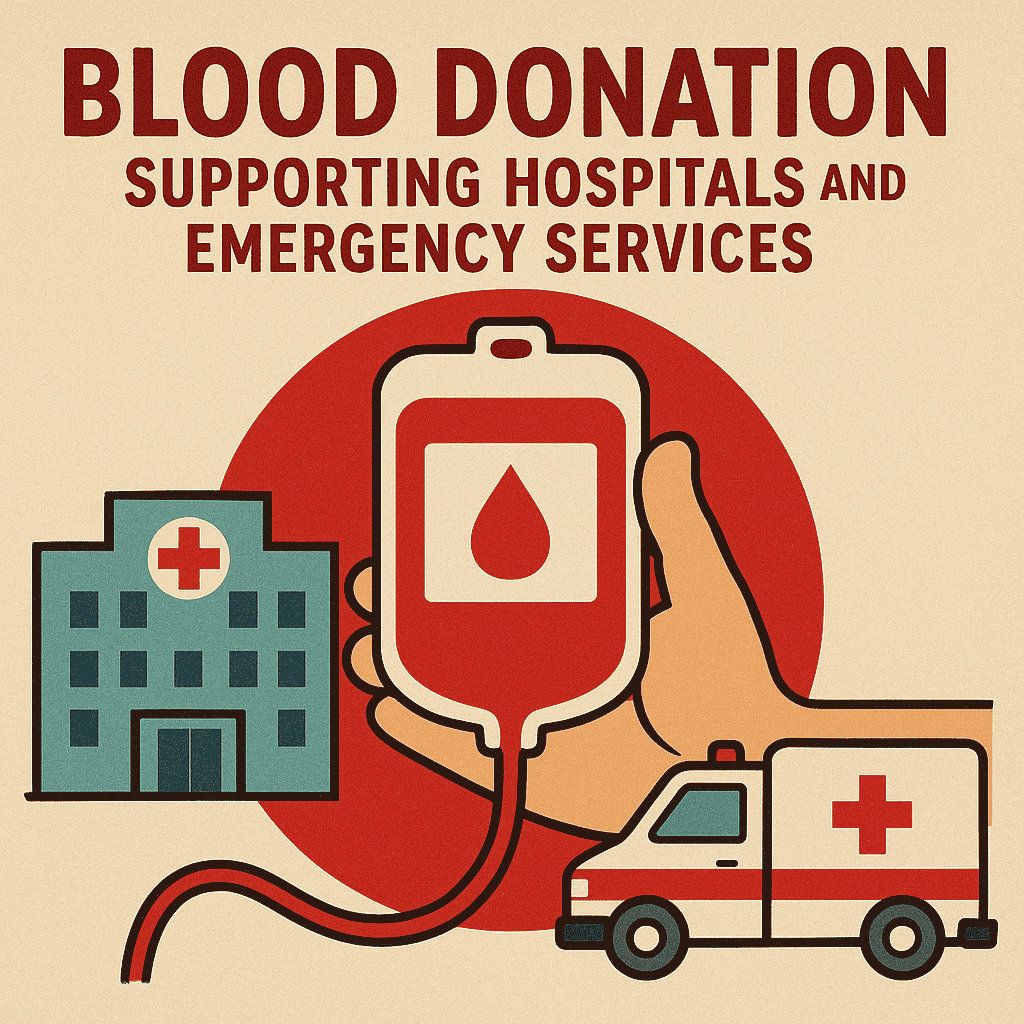
Blood donation is a simple yet powerful act that can save countless lives. Every year, millions of patients around the world depend on donated blood for survival, especially in emergency situations and hospital care. Despite its critical importance, blood shortages remain a persistent challenge. Understanding how blood donation supports emergency services and hospitals is essential for promoting awareness and encouraging more people to donate regularly.
The Critical Role of Blood in Emergency Services
Emergency services, including ambulance teams, trauma centers, and disaster response units, rely heavily on the availability of blood. In accidents, natural disasters, or life-threatening injuries, rapid access to blood can make the difference between life and death. Donated blood is used to replace lost blood, stabilize patients, and prevent complications like shock or organ failure.
For instance, in road traffic accidents or severe burn cases, patients often require multiple blood transfusions within hours. Without a well-stocked blood bank, emergency medical teams cannot provide timely care, which directly impacts survival rates. Regular blood donations ensure that hospitals have the necessary reserves to respond effectively to such emergencies.
Supporting Hospitals with Routine Medical Care
Hospitals use donated blood not only in emergencies but also for routine medical treatments. Surgeries, cancer therapies, childbirth complications, and treatment of chronic illnesses often require blood transfusions. For example, patients undergoing major surgeries such as heart bypass or organ transplants rely on a steady supply of compatible blood.
Blood donation also helps hospitals manage planned treatments without delays. A shortage of blood can postpone surgeries, extend hospital stays, and increase medical risks for patients. By donating blood, individuals contribute directly to the smooth functioning of healthcare facilities and improve patient outcomes.
How Blood Donation Programs Strengthen Healthcare Systems
Hospitals and emergency services implement structured blood donation programs to maintain adequate blood supply. Community blood drives, mobile blood donation units, and partnerships with organizations ensure a continuous inflow of donors. These programs also help maintain diverse blood types, including rare ones, which are critical for patients with unique needs.
Moreover, regular donors allow hospitals to maintain an organized inventory system. Blood has a limited shelf life, and careful management is required to prevent wastage while ensuring availability. Consistent donations reduce the pressure on hospital staff and help maintain readiness for sudden emergencies.
Encouraging Public Participation
Awareness about the link between blood donation and emergency healthcare is crucial for motivating donors. Social media campaigns, community events, and educational initiatives highlight how a single donation can save up to three lives. Hospitals also encourage repeat donations, emphasizing that a steady flow of blood is essential to meet ongoing and unpredictable demands.
Public participation in blood donation programs benefits everyone. When more people donate, hospitals and emergency services can focus on patient care rather than struggling with supply shortages. It fosters a culture of community responsibility and ensures that life-saving resources are always within reach.
Conclusion
Blood donation plays an indispensable role in supporting emergency services and hospitals. From trauma care to routine medical treatments, donated blood is vital for saving lives and maintaining efficient healthcare systems. By understanding its importance and participating in donation programs, individuals can contribute to a stronger, more responsive healthcare system.
Leave a Reply