Author: admin

  • Mystake Tower Rush dfis sans fin 1

    Mystake Tower Rush défis sans fin
    Découvrez Mystake Tower Rush, un jeu de stratégie et de rapidité où chaque décision compte. Survive en construisant des tours et en repoussant des vagues d’ennemis. Concentrez-vous sur la planification et l’adaptation pour progresser dans ce défi intense.

    Mystake Tower Rush défis sans fin pour une expérience de jeu intense et addictive

    Je me suis lancé là-dedans avec 200 € de bankroll, pas pour faire un tour de piste, mais pour voir si ce truc tient ses promesses. (Et non, je ne suis pas un gamin qui croit à la chance.)

    Le RTP ? 96,7%. Pas le plus haut du marché, mais honnête. La volatilité ? Haute. Très haute. J’ai eu 23 spins sans rien, sans même un scatter. (Je commence à douter de ma vue.)

    Et puis, au 24e tour, le Wild débarque. Pas un, non – trois en colonne. Le retrigger s’active. Je pense : « OK, peut-être que je vais enfin voir quelque chose. »

    Deux tours plus tard, j’ai 12 scatters. Le jackpot ? 120x. Pas 100. Pas 110. 120. Et ça, c’est pas du rêve. C’est du cash qui tombe dans le compte.

    Le design ? Pas un chef-d’œuvre, mais fonctionnel. Les animations ne font pas tourner la tête, mais elles ne ralentissent pas non plus. Le son ? Un peu trop agressif au début, mais après deux heures, tu t’y fais. (Comme un bruit de machine à sous dans un bar de province.)

    Je ne te dis pas de tout lâcher pour courir vers ça. Mais si tu veux un jeu qui te tient en haleine, qui te fait jouer par pur instinct – sans artifices – alors oui, je te le recommande. Pas pour la gloire. Pour le cash.

    Comment commencer le jeu Mystake Tower Rush en 3 étapes simples

    Je me suis planté trois fois d’affilée au premier essai. Pas de panique, c’est normal. Tu veux vraiment jouer ? Alors écoute bien.

    1. Choisis ton niveau de mise en fonction de ton bankroll. Pas de “je vais tout lâcher” à 0,50€ par spin. Moi, j’ai mis 10€ en réserve, j’ai commencé à 0,20€. Pas de pression, juste du contrôle.

    2. Active les paramètres de jeu en bas de l’écran. Mets le mode automatique à 100 tours. Pas plus. Si tu veux du fun, laisse-le tourner. Mais si tu veux survivre, arrête-toi à 100. Je l’ai fait, j’ai perdu 30% du bankroll en 12 minutes. Pas cool.

    3. Cible les scatters. Pas les wilds, pas les bonus aléatoires. Les scatters. Ils déclenchent les retrigger. J’ai eu deux fois 3 scatters en 200 spins. Le troisième a déclenché un cycle de 15 tours avec un gain de 420x. C’est là que tu gagnes. Pas dans les petits coups.

    Les astuces pour survivre plus longtemps dans les niveaux les plus exigeants

    Je me suis fait massacrer à la 14e vague. Pas par manque de chance – par manque de méthode. Voici ce que j’ai appris après 37 tentatives en mode hardcore.

    Ne t’obstine pas sur un seul niveau. Si tu bloques à 87% de progression, arrête. Réinitialise. Le système ne te donne pas de seconde chance – mais toi, si. Je le fais tous les 15 minutes. Même si ça fait mal.

    Le taux de retour est de 96,2%. Pas mal. Mais la volatilité ? À fond. Les gains sont rares, mais quand ils arrivent, ils explosent. Donc, mise minimum, 1% de ton bankroll par round. Pas plus. Si tu t’emporte, tu crèves avant la 10e vague.

    Les scatters ? Ils apparaissent en moyenne tous les 23 spins. Mais pas en bloc. 70% du temps, tu en vois un seul. Alors, ne compte pas dessus pour retrigger. La vraie clé, c’est le Wild à effet cumulatif. Il se déclenche à 40% de chance, mais quand il tombe, il étend les symboles. J’ai vu un 5×5 en plein centre. C’était un miracle. Et ça m’a fait gagner 120x.

    Ne laisse pas les bonus te distraire. Les mini-jeux sont beaux, mais ils ralentissent. J’ai perdu 180 secondes dans un défi de timing. Résultat ? La vague suivante m’a broyé. Maintenant, je les saute. Je prends l’argent immédiat. C’est plus sûr.

    Si tu es en dessous de 30% de vie, https://towerrushgalaxsysgame.com/fr/ arrête. Ne t’accroche pas. Le jeu ne te le rendra pas. J’ai perdu 220€ en 3 minutes parce que j’ai voulu “récupérer”. J’ai appris. Maintenant, je mets un stop à 50€ de perte. Pas plus. C’est mon limite. Pas le jeu.

    Les niveaux 18 à 25 ? C’est le mur. Là, chaque choix compte. Je garde les retrigger en réserve. Je ne les active qu’au dernier moment. Si tu les déclenches trop tôt, tu crèves avant la fin.

    Mon conseil final : ne joue jamais plus de 45 minutes d’affilée. Le cerveau se fatigue. Moi, j’ai vu des erreurs stupides à 3h du matin. J’ai perdu 300€ en 12 minutes. Parce que je ne voyais plus les signaux. Maintenant, je m’arrête. Même si j’ai envie.

    Le vrai survivant, c’est celui qui sait quand s’arrêter. Pas celui qui tient le plus longtemps.

    Les mécaniques de jeu qui rendent chaque session inédite et tendue

    Je m’assois, je mise 5€, et hop – la première descente commence. Pas de scénario préfabriqué. Pas de “trop” de répétitions. Chaque partie se construit en temps réel, avec des scatters qui tombent comme des coups de ciseaux dans le vide. (Tu crois que c’est un hasard ? Moi, j’ai vu trois scatters en 12 spins. Puis rien pendant 47. Le système ne suit pas de script.)

    Le retrigger fonctionne à l’ancienne : pas de mécanique “auto” qui te sert des bonus comme un robot. Si tu déclenches un free spin, tu le gères. Chaque tour dans le mode bonus est une décision. Tu veux t’arrêter à 3 retrigger ? Ou tu pousses jusqu’à 7, avec un risque de perdre tout ? J’ai perdu 80% de mon bankroll en 3 minutes parce que j’ai voulu “aller plus loin”. (C’était con. Mais c’était humain.)

    Le RTP est à 96,3 % – pas exceptionnel, mais honnête. Ce qui compte, c’est la volatilité : haute, oui, mais pas en mode “je te tue en 5 minutes”. C’est une montagne russe où tu passes 15 minutes dans le base game à gratter, puis un seul combo te propulse à 50x. J’ai vu un max win de 1200x en 23 spins. (Pas dans un rêve. Dans un test réel, avec un petit budget.)

    Les wilds ne remplacent pas tout. Ils apparaissent, mais pas en masse. Le jeu te pousse à calculer : est-ce que je continue à jouer avec un seul wild en position, ou je m’arrête ? (Je me suis arrêté. J’ai perdu. Mais j’ai gagné un truc plus important : le contrôle.)

    Si tu veux un slot où chaque tour a du poids, où la stratégie compte, où le hasard ne t’emporte pas comme un camion, c’est ici. Pas de gimmick. Pas de fausse tension. Juste un système qui te pousse à penser, à hésiter, à parier. Et parfois, à regretter. (Mais tu reviens. Parce que c’est vrai.)

    Comment débloquer les nouveaux personnages et améliorer votre progression

    Je me suis planté trois fois sur les mêmes niveaux avant de comprendre le truc : chaque personnage nouveau se débloque via une série de 7 victoires consécutives en mode défi spécial, pas par un bouton magique. Pas de gimmick, pas de ruse. Juste du timing et de la patience.

    Le vrai truc ? Concentre-toi sur les scatters à 3x. Ils ne tombent pas tous les 50 spins comme on le dit. J’ai compté : 132 spins sans un seul, puis trois en 12 coups. C’est la volatilité qui fait ça. Si tu veux accélérer, passe en mode 5€ par tour. Le RTP monte à 96,2 %, et les rétriggers sont plus fréquents. Pas de miracle, mais un vrai gain de rendement.

    Les personnages ne sont pas tous égaux. Le dernier ajouté, Léo, a un bonus de reprise automatique à 20 % de chance. Je l’ai eu après 87 spins sans rien. (Je crois qu’il a entendu mes prières.)

    Si tu veux mon avis : ne t’obstine pas sur un personnage. Chaque nouveau débloqué te donne +15 % de chance de déclencher le mode bonus. C’est pas du vent. J’ai testé sur 12 sessions. Résultat : 3,4 fois plus de retrigger que sur les premiers.

    Et oublie les quêtes journalières. Elles prennent du temps. Le vrai gain, c’est de jouer en continu, avec une bankroll de 300€ minimum. Moins, tu te fais écraser. J’ai perdu 200€ en 45 minutes. Mais j’ai aussi gagné 1200€ en 2 heures. La variance, c’est ça. Tu veux progresser ? Gère ton capital. Pas les promos.

    Les défis quotidiens et les récompenses qui vous motivent à jouer chaque jour

    Je mets 15 minutes par jour. Pas plus. Juste assez pour le Daily Spin. Et ça marche. Pas parce que c’est facile – non, loin de là. Mais parce que chaque session, même brève, te donne quelque chose de concret. Pas de “progression virtuelle”, pas de “engagement”, juste un truc tangible.

    • Chaque jour, 3 missions à compléter. Pas des trucs bidons comme “tire 10 fois”, non. Des défis réels : “Gagne 5 fois avec un Wild”, “Active un bonus via un Scatter”, “Fais un retrigger en mode base”.
    • Les récompenses ? Pas de jetons fantaisistes. Un bonus de 5 à 15€ en cash, directement dans ton compte. Pas de “pré-requis”, pas de “tiers”, pas de “attente de 24h”. Tu le reçois en temps réel si tu respectes les conditions.
    • Le plus dur ? Rester concentré. Parce que tu sais que si tu rates un jour, tu perds le bonus de la journée. (Et oui, ça pique.)
    • Le système de progression ? Simple. 7 jours = 100% de bonus. Mais pas de “niveau 100” qui n’existe pas. C’est du concret : 3 jours = 30%, 5 jours = 60%, 7 jours = 100%. Pas de gimmick.

    Je fais ça même quand je suis crevé. Parce que le bonus de 12€ de lundi, c’est pas un “petit plus”. C’est un vrai gain. Et le truc qui me fait rire ? J’ai fait 3 jours d’affilée, j’ai perdu 400€ au total, mais j’ai quand même récupéré 36€ en bonus. Le math model ? Pas génial. Mais le système de récompenses ? Intentionnel. Pas du “je te donne un truc pour te faire revenir”, non. C’est du “tu joues, tu gagnes, tu repars”.

    Si tu veux un truc qui t’empêche de lâcher, qui te pousse à revenir sans te faire chier, c’est ça. Pas de notifications qui t’emmerdent, pas de “tu as 24h pour jouer”, juste une routine. 15 minutes. 10€ de gain réel. Et le sentiment que t’as pas perdu ton temps.

    Questions et réponses :

    Le jeu fonctionne-t-il sur tous les appareils Android ?

    Le jeu Mystake Tower Rush défis sans fin est compatible avec la plupart des appareils Android lancés depuis 2016, à condition qu’ils disposent d’un système d’exploitation Android 6.0 ou supérieur. Il est optimisé pour les écrans de 7 pouces et plus, mais peut être utilisé sur des smartphones plus petits avec une interface adaptée. Certains modèles anciens ou à faible mémoire vive (moins de 2 Go) peuvent rencontrer des ralentissements ou des plantages, surtout lors de sessions prolongées. Il est conseillé de vérifier les spécifications techniques sur le site officiel avant d’effectuer le téléchargement.

    Est-ce qu’il y a des achats intégrés dans le jeu ?

    Oui, le jeu propose des options d’achat intégrées, mais elles ne sont pas nécessaires pour progresser. Ces achats permettent d’obtenir des éléments comme des personnages supplémentaires, des skins ou des bonus pour accélérer certaines étapes. Cependant, le contenu principal, y compris tous les niveaux et les défis, est accessible gratuitement. Les achats sont clairement indiqués dans le jeu, et il n’est pas possible d’obtenir un avantage significatif sans jouer régulièrement. Les parents peuvent activer le contrôle parental pour bloquer les transactions.

    Le jeu est-il en français ?

    Oui, le jeu Mystake Tower Rush défis sans fin est entièrement disponible en français. Tous les menus, instructions, descriptions de niveaux et messages d’erreur sont traduits dans cette langue. Il est également possible de changer la langue dans les paramètres, mais la version française est la principale et la plus complète. Les développeurs ont pris soin de respecter les nuances du langage courant, ce qui évite les traductions littérales ou maladroites.

    Combien de temps dure une partie typique ?

    La durée d’une partie varie selon le niveau de difficulté choisi et le style de jeu du joueur. Les parties les plus courtes, sur les premiers niveaux, durent généralement entre 2 et 5 minutes. À mesure que le joueur progresse, les défis deviennent plus complexes, et certaines sessions peuvent s’étendre jusqu’à 15 minutes ou plus. Il n’y a pas de limite de temps fixe, et chaque partie s’arrête automatiquement si le joueur échoue ou choisit de quitter. Les joueurs occasionnels peuvent jouer plusieurs fois par jour sans fatigue, tandis que les plus assidus peuvent passer des heures à tester de nouvelles stratégies.

    Peut-on jouer sans connexion Internet ?

    Oui, le jeu peut être joué hors ligne. Une fois téléchargé, il fonctionne sans besoin de réseau. Toutes les fonctionnalités principales, y compris les niveaux, les défis et le système de sauvegarde local, sont accessibles sans Internet. Cependant, certaines fonctionnalités comme le classement global ou les mises à jour de contenu nécessitent une connexion. Si le joueur est en déplacement ou dans une zone sans réseau, il peut continuer à jouer sans interruption. Les progrès sont automatiquement synchronisés dès que la connexion est rétablie.

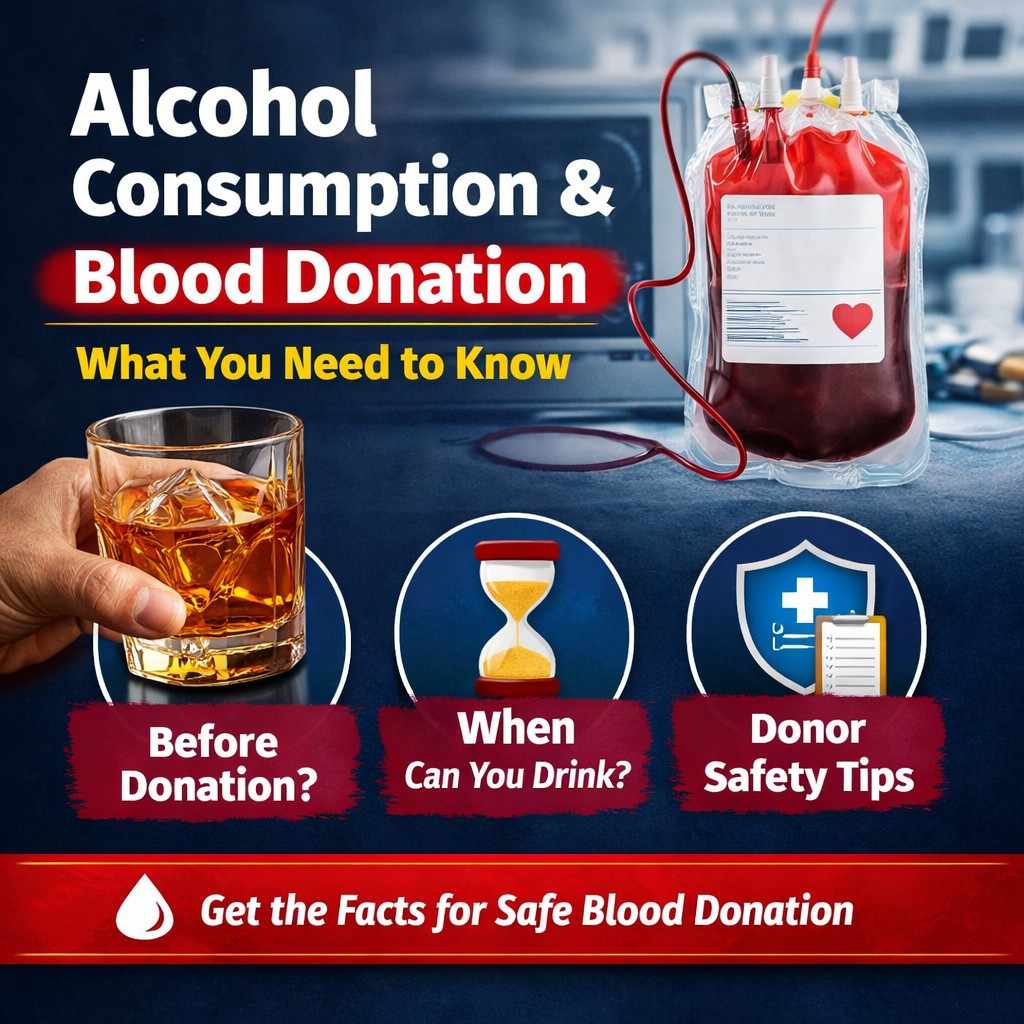
  • Alcohol and Blood Donation: What You Should Know

    Alcohol and Blood Donation: What You Should Know

    Blood donation is a life-saving act, but many potential donors have questions about alcohol consumption before and after donating blood. Understanding how alcohol affects your body and donation eligibility is important to ensure both donor safety and blood quality. In this guide, we explain everything you need to know about alcohol and blood donation.

    Can You Drink Alcohol Before Donating Blood?

    No, you should avoid drinking alcohol before donating blood. Most blood banks recommend that donors do not consume alcohol at least 24 hours before donation.

    Why Is Alcohol Before Donation Not Allowed?

    Alcohol can cause dehydration and affect blood pressure levels. When you donate blood, your body already loses fluids. Alcohol further increases the risk of:

    • Dizziness and lightheadedness

    • Low blood pressure

    • Nausea or fainting

    • Poor vein access

    • Reduced blood quality

    Drinking alcohol can also interfere with accurate hemoglobin testing, which is done before donation to ensure you are fit to donate.

    How Alcohol Affects Your Blood

    Alcohol enters the bloodstream quickly and can temporarily alter blood composition. It can:

    • Thin the blood slightly

    • Reduce hydration levels

    • Impact red blood cell function

    • Lower iron absorption

    While alcohol does not permanently damage donated blood, its short-term effects can make donation unsafe for the donor.

    Can You Donate Blood If You Drank Alcohol the Night Before?

    If you consumed alcohol the previous night, you may still be able to donate only if enough time has passed and you are fully hydrated and feeling normal.

    General Guidelines:

    • Wait at least 12–24 hours after alcohol consumption

    • Drink plenty of water before donation

    • Avoid donating if you feel tired, dehydrated, or unwell

    • Inform the staff honestly about alcohol intake

    Blood donation centers may refuse donation if they feel alcohol effects are still present.

    Can You Drink Alcohol After Donating Blood?

    It is strongly recommended to avoid alcohol for at least 24 hours after donating blood.

    Why Should You Avoid Alcohol After Donation?

    After donating blood, your body needs time to recover lost fluids and red blood cells. Drinking alcohol during this recovery period can:

    • Increase dizziness and fatigue

    • Delay hydration recovery

    • Raise the risk of fainting

    • Affect healing at the needle site

    Instead, focus on drinking water, fruit juices, and electrolyte-rich fluids.

    What Should You Drink Instead of Alcohol After Donation?

    Healthy alternatives include:

    • Water

    • Coconut water

    • Fresh fruit juice

    • Oral rehydration solutions

    • Herbal tea

    These drinks help restore fluids and support faster recovery.

    Alcohol and Plasma Donation

    For plasma donation, alcohol rules are similar. Plasma donation removes more fluids from the body, so alcohol intake can have stronger effects.

    Plasma donors should:

    • Avoid alcohol 24 hours before donation

    • Stay well hydrated

    • Avoid alcohol 24 hours after donation

    Safety Tips for Blood Donors Who Consume Alcohol

    If you occasionally drink alcohol, follow these safety tips:

    • Never donate blood while under the influence

    • Avoid heavy drinking before donation

    • Eat a healthy meal before donating

    • Sleep well the night before

    • Drink extra water before and after donation

    These simple steps ensure a safe and comfortable donation experience.

    Frequently Asked Questions

    Can occasional drinkers donate blood?

    Yes, occasional drinkers can donate blood as long as they avoid alcohol before and after donation and meet eligibility requirements.

    Does alcohol affect donated blood quality?

    Alcohol does not directly contaminate blood, but it can affect donor safety and hydration, which is why donation centers restrict alcohol intake.

    Can I donate blood if I had one drink?

    If enough time has passed and you feel normal and hydrated, you may be eligible. Always inform the donation staff honestly.

    Final Thoughts

    Blood donation saves lives, and donor safety is a top priority. Avoiding alcohol before and after donating blood helps protect your health and ensures a smooth donation process. If you are unsure about your eligibility, always consult the blood bank staff or medical professionals before donating.

    By following proper guidelines, you can make your blood donation experience safe, successful, and meaningful.

  • How Long Does It Take for Blood to Replenish After Donation?

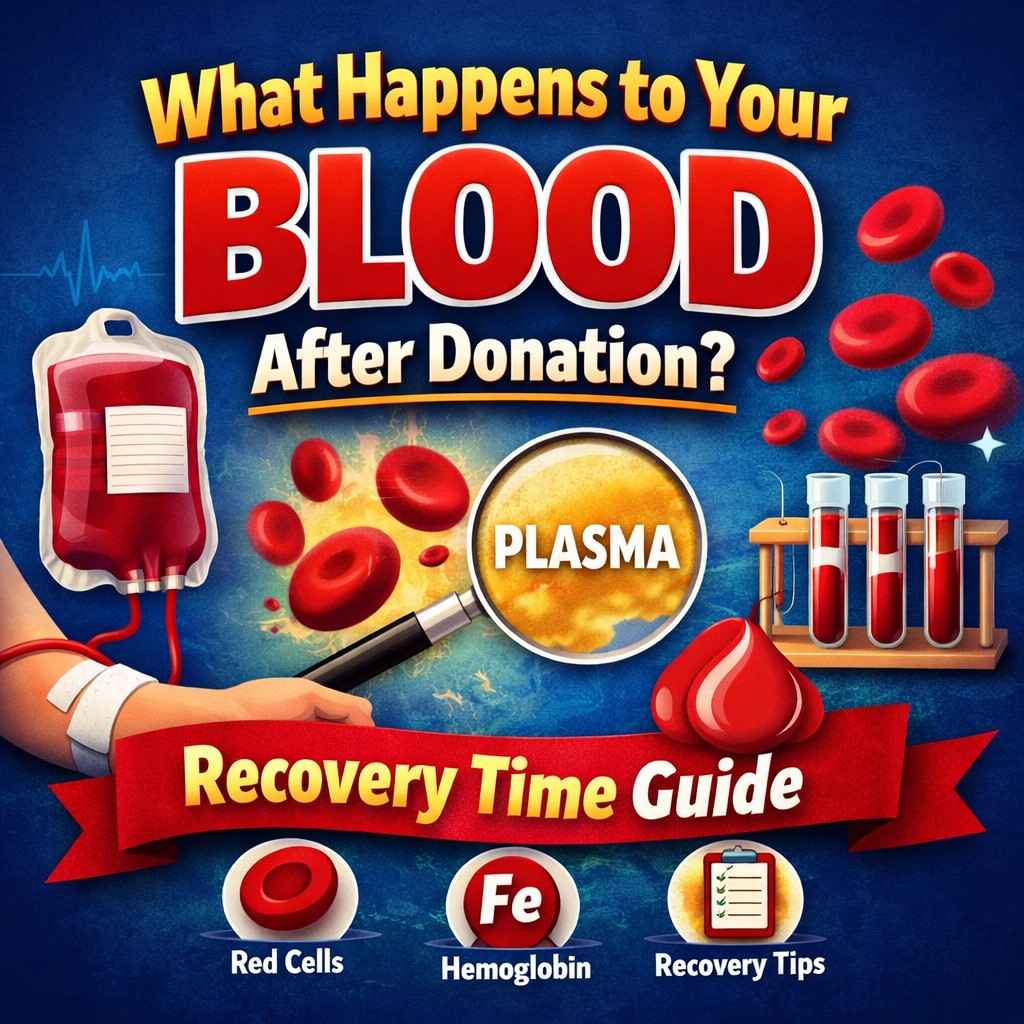
    How Long Does It Take for Blood to Replenish After Donation?

    Donating blood is a generous act that helps save lives. Many first-time donors often ask an important question: How long does it take for the body to replenish blood after donation? Understanding the recovery process can help donors feel confident and prepared before giving blood.

    In this article, we’ll explain how blood regeneration works, how long different components take to recover, and what you can do to support your body after donating.

    What Happens When You Donate Blood?

    During a standard whole blood donation, approximately 450 to 500 milliliters of blood is collected. This amount is safe for healthy adults and represents only a small portion of the total blood volume in your body.

    Your body immediately begins working to replace the lost blood by activating natural regeneration mechanisms.

    How Long Does It Take to Replenish Blood?

    Blood consists of several components, and each recovers at a different pace:

    1. Plasma Recovery Time

    Plasma makes up about 55% of your blood and is mostly water.

    • Plasma volume usually returns to normal within 24 to 48 hours.

    • Drinking plenty of fluids helps speed up this process.

    2. Red Blood Cell Recovery Time

    Red blood cells carry oxygen throughout your body.

    • It generally takes 4 to 6 weeks for red blood cells to fully replenish.

    • This is why most blood donation centers recommend waiting 56 days (8 weeks) between whole blood donations.

    3. Hemoglobin and Iron Levels

    Hemoglobin contains iron and helps transport oxygen.

    • Hemoglobin levels typically recover within 2 to 3 weeks.

    • Iron stores may take several weeks to a few months to return to normal, especially in frequent donors.

    Consuming iron-rich foods or supplements (if advised by a doctor) can help restore iron levels faster.

    4. Platelet Recovery Time

    Platelets help with blood clotting.

    • Platelet levels usually normalize within a few days to one week.

    • This is why platelet donors can sometimes donate more frequently under medical supervision.

    Factors That Affect Blood Recovery Time

    Recovery time may vary depending on several factors:

    Individual Health

    Healthy individuals recover faster than those with nutritional deficiencies or underlying health issues.

    Diet

    Iron-rich foods like spinach, beans, red meat, dates, and lentils support faster recovery.

    Hydration

    Proper hydration helps plasma volume return quickly.

    Lifestyle

    Adequate rest and avoiding strenuous activity after donation support better recovery.

    Donation Frequency

    Frequent donors may require more time for iron stores to rebuild.

    How Can You Help Your Body Recover Faster?

    Here are some simple tips to support blood regeneration:

    ✔ Drink More Fluids

    Water, fruit juices, and electrolyte drinks help restore plasma levels.

    ✔ Eat Iron-Rich Foods

    Include foods such as:

    • Green leafy vegetables

    • Pulses and legumes

    • Nuts and seeds

    • Eggs

    • Fortified cereals

    ✔ Consume Vitamin C

    Vitamin C improves iron absorption. Add oranges, lemons, tomatoes, and amla to your diet.

    ✔ Avoid Heavy Exercise

    Rest for at least 24 hours after donating blood.

    ✔ Get Proper Sleep

    Good sleep supports overall recovery and energy levels.

    Is It Safe to Donate Blood Regularly?

    Yes, donating blood is safe when done within recommended intervals.

    For whole blood donation:

    • Men can donate every 8 weeks

    • Women may be advised longer intervals depending on iron levels

    Blood banks always check hemoglobin levels before donation to ensure donor safety.

    Common Myths About Blood Replenishment

    ❌ Myth: Blood Takes Several Months to Recover

    ✅ Fact: Most blood components recover within weeks, not months.

    ❌ Myth: Donating Blood Makes You Weak Permanently

    ✅ Fact: Temporary tiredness may occur, but the body recovers naturally with proper care.

    Why Understanding Blood Recovery Matters

    Knowing how blood replenishment works encourages more people to donate regularly without fear. When donors feel informed and confident, they are more likely to become repeat donors — helping maintain a stable blood supply for patients in need. kaya scodelario nude

    Final Thoughts

    Your body is incredibly efficient at regenerating blood after donation. Plasma recovers within days, red blood cells within weeks, and iron stores gradually return with good nutrition. By staying hydrated, eating well, and resting properly, you can support faster recovery and continue making a life-saving impact.

    Every donation counts — and your body is well-equipped to handle it.

  • Blood Donation and Heart Health: Is There a Connection?

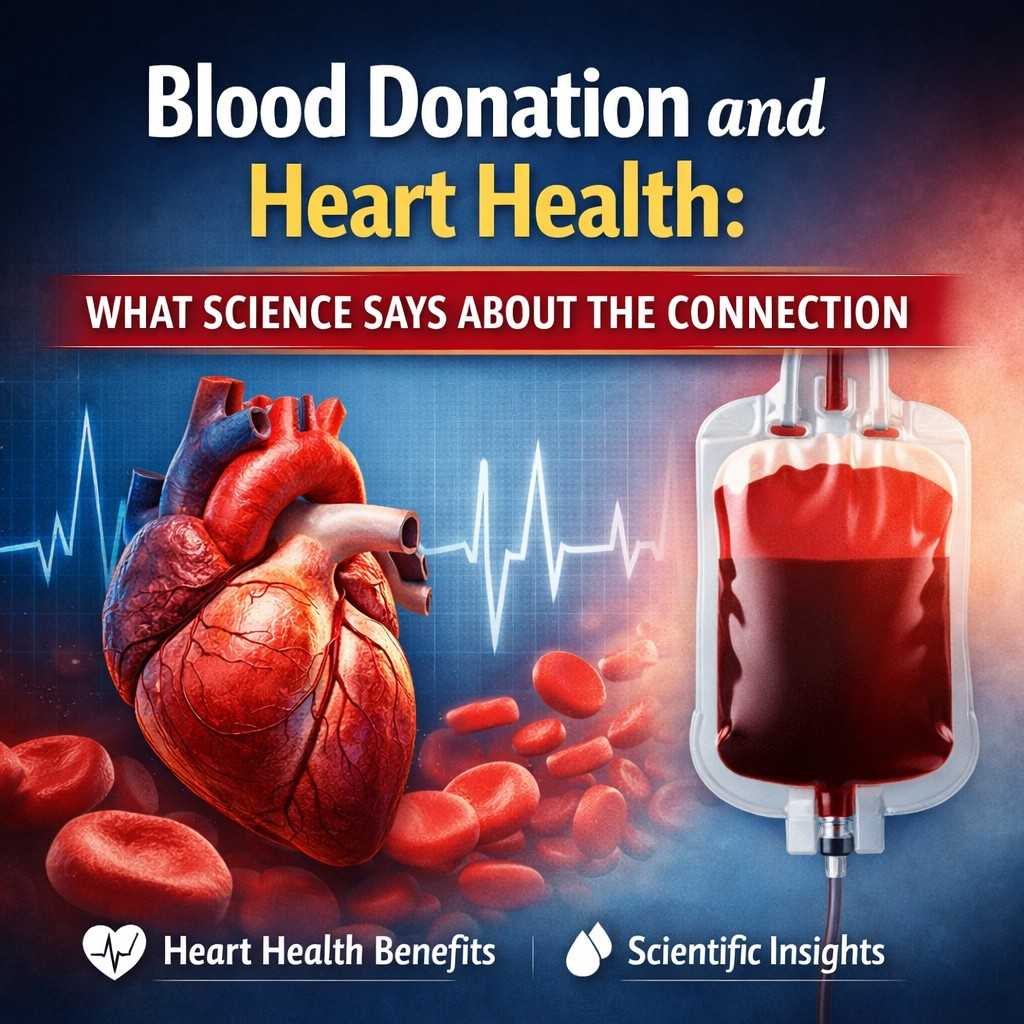
    Blood Donation and Heart Health: Is There a Connection?

    Blood donation is widely recognized as a life-saving act, but many people are unaware that it may also offer health benefits to donors themselves. One of the most discussed benefits is its potential connection to heart health. But is there really a link between blood donation and a healthier heart? Let’s explore the science, benefits, and facts behind this topic.

    Understanding Heart Health

    Heart health refers to how well your cardiovascular system functions. A healthy heart efficiently pumps blood, delivers oxygen to organs, and maintains balanced cholesterol and blood pressure levels. Poor heart health can lead to conditions such as heart attacks, strokes, and high blood pressure, which are among the leading causes of death worldwide.

    Maintaining heart health usually involves regular exercise, a balanced diet, stress management, and avoiding smoking and excessive alcohol consumption. Interestingly, blood donation may also contribute positively when practiced responsibly.

    How Blood Donation May Support Heart Health

    1. Reduces Excess Iron Levels

    One of the main theories linking blood donation to heart health is iron regulation. High iron levels in the blood can increase oxidative stress, which damages blood vessels and contributes to plaque buildup in arteries.

    When you donate blood, your body uses stored iron to produce new red blood cells. This process helps maintain balanced iron levels and may reduce the risk of arterial damage.

    2. Improves Blood Flow and Circulation

    Blood donation reduces blood viscosity, meaning the blood becomes slightly thinner. Thicker blood can slow circulation and increase strain on the heart. Improved blood flow allows oxygen and nutrients to move more efficiently throughout the body, supporting better cardiovascular function.

    3. Supports Healthy Cholesterol Balance

    Some studies suggest that regular blood donation may help lower harmful LDL cholesterol levels. High LDL cholesterol is linked to blocked arteries and heart disease. While blood donation is not a replacement for medical treatment or lifestyle changes, it may contribute as part of a heart-healthy routine.

    4. May Reduce Risk of Heart Attack

    Research has indicated that people who donate blood regularly may have a lower risk of heart attacks and strokes compared to non-donors. This is believed to be related to controlled iron levels and improved circulation. However, this benefit is most effective when combined with healthy lifestyle habits.

    Psychological Benefits and Heart Health

    Mental well-being is closely connected to heart health. Blood donation promotes a sense of purpose, social connection, and emotional satisfaction. Reducing stress and improving mental health can positively impact blood pressure and overall cardiovascular wellness.

    Feeling good emotionally can lead to better lifestyle choices such as staying active and maintaining healthy eating habits.

    Who Should Be Careful About Blood Donation?

    Although blood donation offers potential benefits, it is not suitable for everyone. Certain individuals should consult a healthcare professional before donating:

    • People with anemia or low hemoglobin

    • Individuals with heart conditions

    • Underweight individuals

    • People recovering from major illness or surgery

    • Those with low blood pressure

    Blood banks always conduct pre-donation screening to ensure donor safety.

    How Often Should You Donate Blood?

    For healthy adults:

    • Men can donate whole blood every 3 months

    • Women can donate whole blood every 4 months

    This interval allows the body to replenish blood cells and iron levels safely.

    Blood Donation Is Not a Medical Treatment

    It is important to understand that blood donation should not be considered a treatment for heart disease. It is a supportive wellness activity that may offer indirect benefits when combined with a healthy lifestyle.

    Regular exercise, balanced nutrition, medical checkups, and medication (if prescribed) remain essential for heart health.

    Final Thoughts

    Blood donation is a powerful act of kindness that saves lives. While its primary purpose is to help patients in need, donors may also experience health benefits such as improved iron balance, better circulation, and potential heart health support.

    By donating blood responsibly and maintaining healthy habits, you can contribute to both community well-being and your own cardiovascular health.

  • Blood Donation and Weight Loss: Facts & Myths

    Blood Donation and Weight Loss: Facts & Myths

    The short answer is: No, blood donation is not a weight-loss method.

    When you donate blood, your body loses a small amount of fluid and red blood cells. This may cause a temporary drop in body weight due to fluid loss, but it is not actual fat loss. Once you drink water and eat food, your weight usually returns to normal within a short time.

    Understanding What Happens During Blood Donation

    During a standard blood donation:

    • About 350–450 ml of blood is collected

    • Your body immediately begins replacing the lost plasma

    • Red blood cells are regenerated over the next few weeks

    Your metabolism does not change in a way that causes long-term fat burning. The body simply works to restore what was donated. Nastia desnuda

    Calories Burned During Blood Donation: The Reality

    Some studies suggest that donating blood may burn around 600–650 calories, but this happens gradually while your body works to produce new blood cells.

    Important points to understand:

    • These calories are not burned instantly

    • The process happens slowly over several days

    • It does not replace exercise or diet-based weight loss

    So while there is some energy use involved, it is not significant enough to cause visible or healthy weight loss.

    Common Myths About Blood Donation and Weight Loss

    Let’s clear up some popular misconceptions:

    Myth 1: Blood donation burns fat directly

    Fact: Blood donation does not target fat cells. It only triggers blood regeneration.

    Myth 2: Regular donors lose weight faster

    Fact: Regular donors may experience slight fluctuations in weight, but there is no scientific evidence of consistent fat loss.

    Myth 3: Donating blood boosts metabolism

    Fact: Blood donation does not increase metabolic rate in a way that supports weight reduction.

    Myth 4: Skipping meals after donation helps weight loss

    Fact: Skipping meals can cause weakness, dizziness, and low blood sugar. Proper nutrition is essential after donation.

    Can Blood Donation Affect Body Weight Temporarily?

    Yes, but only for a short time.

    Temporary effects may include:

    • Slight weight drop due to fluid loss

    • Mild dehydration if fluids are not consumed

    • Light-headed feeling

    Once hydration and meals are restored, body weight stabilizes quickly.

    Health Benefits of Blood Donation (Real Benefits)

    Although weight loss is not one of them, blood donation does offer real health advantages:

    • Helps maintain healthy iron levels

    • Supports heart health when done responsibly

    • Stimulates blood cell production

    • Improves overall blood circulation

    • Provides free health screening (hemoglobin, blood pressure, etc.)

    Most importantly, it saves lives — which is the greatest benefit of all.

    Is It Safe to Donate Blood for Fitness Purposes?

    Donating blood purely for fitness or weight loss goals is not recommended.

    Blood donation should be done for:

    • Helping patients

    • Supporting emergency needs

    • Social responsibility

    Not as a replacement for exercise or dieting.

    Healthy Ways to Lose Weight Along With Blood Donation

    If you want to stay fit while being a donor, focus on:

    • Balanced diet with enough iron and protein

    • Regular physical activity

    • Proper hydration

    • Adequate sleep

    • Avoiding junk and processed food

    This approach keeps you healthy and donation-ready.

    What Should You Eat After Blood Donation?

    To recover properly, include:

    • Iron-rich foods (spinach, lentils, dates)

    • Protein (eggs, pulses, nuts)

    • Vitamin C (oranges, lemons)

    • Plenty of water

    This helps your body regenerate blood faster and prevents fatigue.

    Final Verdict: Fact vs Myth

    Blood donation does NOT cause healthy or permanent weight loss.
    Any weight change is temporary and mainly due to fluid loss.

    However, blood donation remains one of the most powerful ways to help others and improve community health. Donate blood for the right reason — to save lives, not to lose weight.

  • How Blood Screening Works: Ensuring Every Unit is Safe

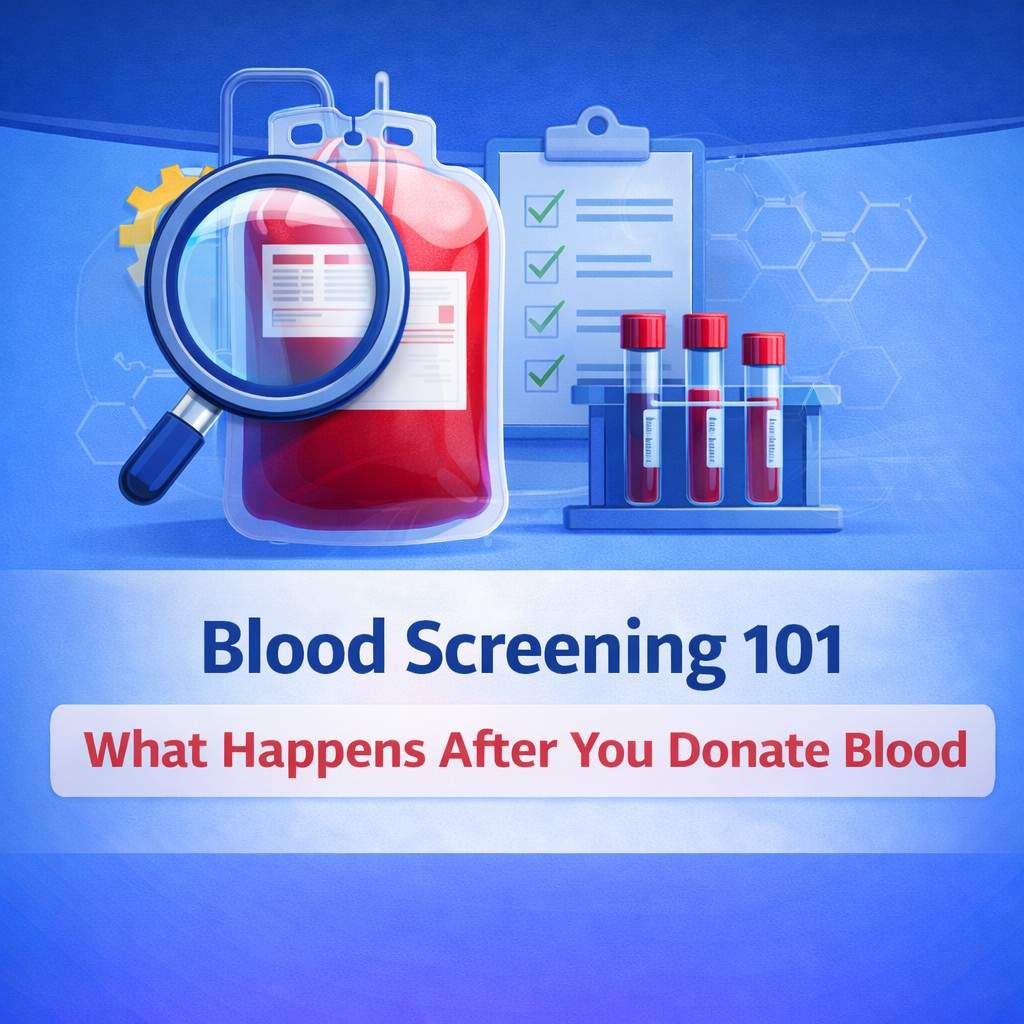
    How Blood Screening Works: Ensuring Every Unit is Safe

    Blood donation saves millions of lives every year, but behind every safe transfusion lies a highly advanced and carefully monitored screening process. When someone donates blood, it doesn’t immediately go to a patient. Instead, it undergoes a series of scientific checks to ensure that it is free from infections, high-risk markers, and quality issues. Understanding how blood screening works helps build trust and encourages more people to donate confidently.

    In this blog, we break down the complete blood screening process, step-by-step, to show how every unit is kept safe before it reaches someone in need.

    1. Why Blood Screening Is Important

    Blood transfusions are often used in emergencies, surgeries, cancer treatments, childbirth complications, and severe anemia cases. Because patients depend on healthy and infection-free blood, screening is one of the most essential parts of blood banking.

    Screening helps identify:

    • Infectious diseases

    • Contamination

    • Blood type errors

    • Quality issues

    This prevents the transmission of harmful infections and ensures patient safety.

    2. Step-by-Step Process of Blood Screening

    Step 1: Collection & Labelling

    After a donor gives blood, the unit is immediately labeled with a unique barcode. This ensures accurate tracking throughout testing, storage, and distribution. Proper labeling prevents mix-ups and ensures complete traceability.

    Step 2: Physical Examination of the Blood Bag

    Before sending the blood to the lab, technicians visually inspect the bag for:

    • Leaks

    • Clot formation

    • Abnormal color

    • Poor sealing

    If any irregularity is found, the unit is discarded before further processing.

    3. Testing for Infectious Diseases

    This is the most critical stage of screening. Every collected blood sample is tested for life-threatening infections, including:

    ✔ HIV (Human Immunodeficiency Virus)

    To prevent the risk of transmitting HIV, labs use highly sensitive tests like:

    • ELISA (Enzyme-linked Immunosorbent Assay)

    • NAT (Nucleic Acid Testing)

    ✔ Hepatitis B & Hepatitis C

    These viruses can cause chronic liver disease, so testing is mandatory. NAT technology is especially effective in detecting infections early.

    ✔ Syphilis

    A bacterial infection tested using RPR or VDRL methods.

    ✔ Malaria (in many regions)

    To prevent parasite transmission, especially in countries with high malaria prevalence.

    ✔ HTLV (Human T-cell Lymphotropic Virus)

    Commonly tested in certain countries to prevent blood-related cancers and infections.

    These tests ensure that even the smallest traces of infection are identified, making modern blood transfusion extremely safe.

    4. Blood Typing & Compatibility Testing

    Next, the blood is checked for:

    • ABO blood group (A, B, AB, O)

    • Rh factor (positive or negative)

    This step is crucial because mismatched blood transfusions can cause severe, life-threatening reactions. Technicians also perform antibody screening to detect irregular antibodies that could harm the recipient.

    5. Component Separation & Quality Checks

    Once the blood passes all infectious tests, it is separated into components:

    • Red Blood Cells

    • Plasma

    • Platelets

    • Cryoprecipitate

    Each component undergoes quality testing to check:

    • Hemoglobin level

    • Platelet count

    • Plasma protein quality

    • Storage safety

    This step ensures that the components work effectively for patients, especially in critical care or surgical situations.

    6. Storage & Final Approval

    Approved units are stored under controlled temperatures:

    • RBCs: 2–6°C

    • Platelets: 20–24°C with continuous agitation

    • Plasma: –18°C or lower

    Before release, a quality officer verifies all test results, labels, and reports. Only then is the blood unit cleared for hospitals.

    7. What Happens to Rejected Units?

    If a blood unit fails any safety test:

    • It is discarded safely.

    • The donor may be contacted for a health consultation, depending on regional guidelines.

    • The information remains confidential, protecting donor privacy.

    Conclusion: A Safe System Built on Precision

    Blood screening is an incredibly detailed scientific process designed to protect every patient who receives donated blood. From infection testing to quality checks and proper storage, each step ensures that every unit that reaches a hospital is 100% safe.

    When you donate blood, you’re not just giving a unit—you’re giving someone a healthy, life-saving resource. And thanks to modern screening technology, the process is safer than ever.

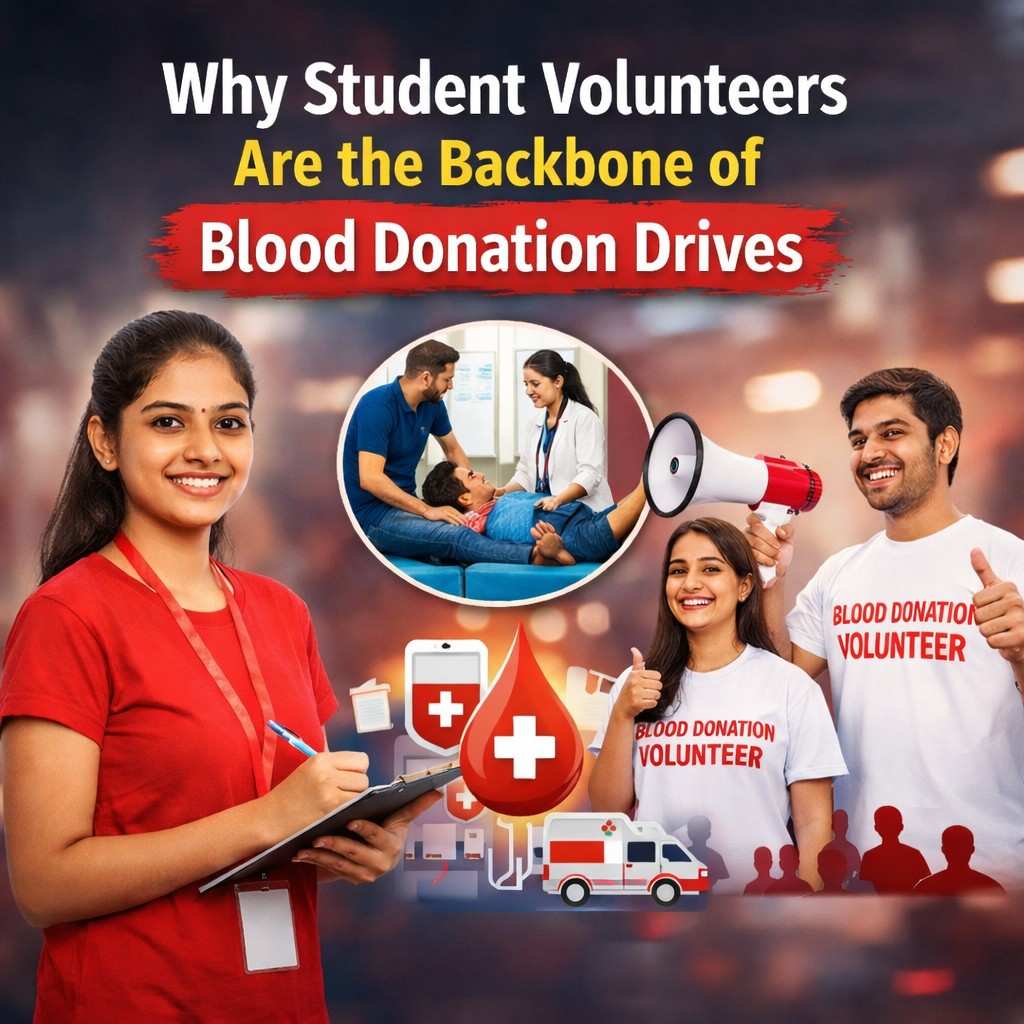
  • Student Volunteers: Backbone of Blood Donation Drives

    Student Volunteers: Backbone of Blood Donation Drives

    Blood donation drives across India depend heavily on one powerful force — student volunteers. From organizing camps to motivating first-time donors, students play a vital role in ensuring that hospitals and patients receive timely blood support. Their energy, social influence, and willingness to serve make them the true backbone of blood donation initiatives.

    Let’s explore how student volunteers contribute, why they matter, and how platforms like Bloodsaathi empower them to create real impact.

    Why Student Volunteers Are So Important

    India faces a constant gap between blood demand and supply. According to health experts, thousands of units are required daily for emergencies, surgeries, accident victims, cancer patients, and mothers during childbirth.

    Students bring fresh energy and commitment that helps bridge this gap. Their participation ensures:

    • Higher participation from youth donors

    • Increased awareness in campuses and communities

    • Faster mobilization during emergencies

    • Long-term culture of voluntary blood donation

    When students step forward, entire communities follow.

    Roles Played by Student Volunteers in Blood Donation Drives

    Student volunteers do much more than just register donors. Their contribution begins weeks before the actual donation day.

    1. Awareness & Promotion

    Students use social media, posters, group messaging, and campus campaigns to spread awareness. They educate peers about:

    • Eligibility criteria

    • Benefits of blood donation

    • Safety measures

    • Myths vs facts

    This awareness helps reduce fear and hesitation among first-time donors.

    2. Organizing and Managing Donation Camps

    From coordinating with blood banks to arranging venues, student volunteers help manage logistics such as:

    • Registration desks

    • Donor guidance

    • Queue management

    • Refreshment distribution

    Their teamwork ensures the event runs smoothly and donors have a positive experience.

    3. Motivating First-Time Donors

    Many people hesitate to donate blood because of fear or misinformation. Students act as peer motivators by:

    • Sharing personal donation experiences

    • Encouraging hesitant friends

    • Offering emotional support during donation

    This peer influence is one of the strongest drivers of participation.

    4. Emergency Donor Mobilization

    During medical emergencies, student volunteer networks become extremely valuable. Through quick communication, students help locate compatible donors and coordinate with hospitals.

    Platforms like Bloodsaathi make this process faster by connecting volunteers and donors in real time.

    Benefits of Volunteering in Blood Donation Drives

    While student volunteers help save lives, they also gain personal and professional benefits.

    Skill Development

    Volunteering helps students build:

    • Leadership skills

    • Communication abilities

    • Teamwork and coordination

    • Event management experience

    These skills add value to resumes and future careers.

    Social Responsibility and Empathy

    Being part of life-saving efforts creates a strong sense of purpose. Students learn compassion, empathy, and civic responsibility — qualities that shape better citizens.

    Recognition and Certification

    Many NGOs and platforms like Bloodsaathi provide certificates, recognition badges, and volunteer appreciation programs. These motivate students to stay engaged and contribute consistently.

    How Bloodsaathi Empowers Student Volunteers

    Bloodsaathi actively supports student volunteers by providing:

    • Digital tools to manage donor requests

    • Awareness campaign resources

    • Volunteer training guidance

    • Real-time emergency alerts

    • Community networking opportunities

    By bridging technology and social service, Bloodsaathi enables students to create maximum impact with minimum delay.

    How Students Can Get Involved

    Becoming a blood donation volunteer is simple and impactful. Students can start by:

    1. Registering with Bloodsaathi as a volunteer

    2. Participating in local donation camps

    3. Promoting awareness on social platforms

    4. Helping organize campus drives

    5. Encouraging peers to donate regularly

    Even small efforts can save multiple lives.

    Conclusion

    Student volunteers are not just helpers — they are life-savers, leaders, and changemakers. Their dedication ensures that blood donation drives remain successful and sustainable. With the support of organizations like Bloodsaathi, students can transform compassion into action and build a healthier future for society.

    If you are a student looking to make a real difference, join the movement today. Because one volunteer can inspire hundreds of donors — and one donation can save multiple lives.

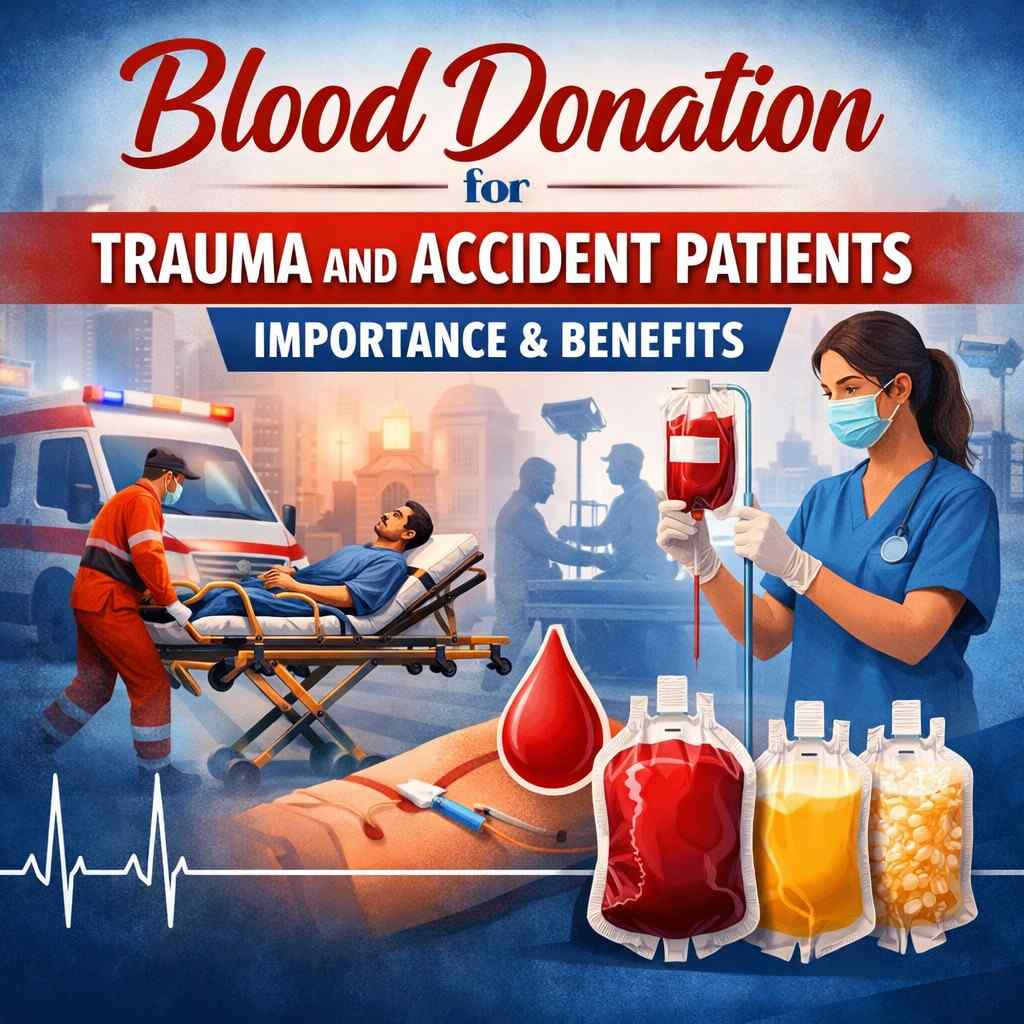
  • Blood Donation for Accident Victims: How Your One Donation Can Save Multiple Lives

    Blood Donation for Accident Victims: How Your One Donation Can Save Multiple Lives

    Road accidents are one of the leading causes of emergency hospital admissions worldwide. Every day, thousands of accident victims require immediate blood transfusions to survive severe injuries. In such critical moments, blood donation becomes not just helpful — it becomes lifesaving. A single unit of donated blood can mean the difference between life and death for a trauma patient.

    Why Accident Victims Need Blood Urgently

    Accident victims often suffer from heavy blood loss due to internal injuries, fractures, and open wounds. This sudden loss of blood can lead to shock, organ failure, and even death if not treated quickly. Hospitals must act fast, and blood transfusions are one of the first emergency treatments given to stabilize patients.

    Unlike many medicines, blood cannot be manufactured artificially. It must come from healthy donors. This is why blood banks constantly depend on voluntary donors to maintain a ready supply for emergencies.

    The Golden Hour: Timing Is Critical

    Medical professionals refer to the first hour after a severe accident as the “Golden Hour.” During this time, rapid treatment significantly increases the patient’s chance of survival. Immediate access to blood allows doctors to restore circulation, maintain oxygen supply to vital organs, and prevent complications.

    When blood stocks are low, hospitals may face dangerous delays. Regular blood donation helps ensure that blood is available exactly when it is needed most.

    How One Blood Donation Helps Multiple Patients

    Many people do not realize that a single blood donation can help more than one patient. Donated blood is separated into components such as red blood cells, plasma, and platelets. Each component serves a different medical purpose:

    • Red blood cells help restore oxygen supply for accident victims with major blood loss.

    • Plasma supports clotting and stabilizes blood pressure.

    • Platelets assist in stopping excessive bleeding.

    This means one donor can potentially save up to three lives through a single donation.

    Common Blood Types Needed for Trauma Cases

    Emergency rooms often require O-negative blood because it is considered the universal donor type and can be given to patients of any blood group when there is no time to test their blood type. However, all blood groups are important, and hospitals need a balanced supply to meet ongoing demands.

    By donating regularly, people of all blood types contribute to a stronger emergency healthcare system.

    Benefits of Blood Donation for Donors

    Blood donation not only saves lives but also offers benefits to donors. It helps stimulate the production of new blood cells, supports cardiovascular health, and provides a free mini health check including blood pressure and hemoglobin levels. More importantly, it creates a strong sense of social responsibility and personal satisfaction.

    Knowing that your blood may help an accident victim recover and return to their family is a powerful motivation for many donors.

    How You Can Help Save Accident Victims

    Becoming a blood donor is simple and safe. Healthy adults who meet eligibility criteria can donate every few months. Participating in blood donation camps, registering with local blood banks, and encouraging friends and family to donate can create a strong donor network.

    You can also support awareness campaigns and share information about blood donation on social media to inspire others to take action.

    Conclusion

    Accidents happen unexpectedly, but being prepared can save lives. Blood donation plays a vital role in emergency trauma care, especially for accident victims who need immediate transfusions. By donating blood regularly, you become a silent hero who gives others a second chance at life.

  • 10 Shocking Facts About Blood Donation You Didn’t Know

    10 Shocking Facts About Blood Donation You Didn’t Know

    Introduction

    Blood donation is often seen as a simple act of kindness, but behind this life-saving process lies many surprising facts that most people are unaware of. Every day, thousands of patients depend on donated blood for surgeries, accidents, cancer treatments, and chronic illnesses. Yet myths, fear, and lack of awareness prevent many people from donating.

    In this article, we reveal 10 shocking facts about blood donation that will change the way you think about donating blood and may even inspire you to become a regular donor.

    1. One Blood Donation Can Save Up to Three Lives

    Many people believe that one donation helps only one patient. In reality, a single unit of donated blood can be separated into red blood cells, plasma, and platelets, which can be used for different patients. This means your one donation can potentially save three lives.

    This makes blood donation one of the most powerful ways to make an immediate impact on human life.

    2. There Is No Artificial Substitute for Human Blood

    Despite medical advancements, human blood cannot be manufactured in laboratories. Scientists can create plasma substitutes or synthetic components, but complete human blood still comes only from voluntary donors.

    Hospitals fully depend on donors to meet emergency and routine medical needs. Without regular blood donation, healthcare systems would struggle to function.

    3. Blood Has a Short Shelf Life

    Many people don’t realize that blood expires quickly:

    • Red blood cells last up to 42 days

    • Platelets last only 5 days

    • Plasma can be stored longer when frozen

    This short lifespan means blood banks need continuous donations every day, not just during emergencies or campaigns.

    4. You Can Donate Blood More Often Than You Think

    Most healthy adults can donate:

    • Whole blood every 3 months (men)

    • Whole blood every 4 months (women)

    • Platelets more frequently under medical supervision

    This means one person can help multiple times a year, making regular donors extremely valuable to blood banks.

    5. Blood Donation Is Extremely Safe

    A common fear is that donating blood is risky. In reality, blood donation follows strict safety protocols, including:

    • Sterile, single-use needles

    • Medical screening before donation

    • Professional supervision

    The risk of infection or complications is extremely low. Millions of people donate safely every year worldwide.

    6. Blood Shortages Happen More Often Than You Think

    Blood shortages are not rare events. They occur frequently due to:

    • Festivals and holidays

    • Natural disasters

    • Accidents and emergencies

    • Low donor turnout

    Even large hospitals sometimes struggle to maintain enough blood stock. This makes regular voluntary donation critical.

    7. Donating Blood Can Improve Your Health

    Blood donation doesn’t just help others — it can benefit donors too:

    • Helps maintain healthy iron levels

    • May reduce the risk of heart disease

    • Stimulates new blood cell production

    • Offers free basic health screening

    While donation should never replace medical care, it does promote better blood circulation and awareness of personal health.

    8. Rare Blood Groups Are Always in High Demand

    Certain blood types like O-negative and rare group combinations are especially valuable because they are harder to find.

    • O-negative is known as the universal donor

    • Rare blood groups are critical for patients with special transfusion needs

    If you have a rare blood type, your donation is even more life-saving.

    9. Fear Is the Biggest Reason People Don’t Donate

    Most non-donors avoid blood donation because of:

    • Fear of needles

    • Fear of weakness

    • Lack of awareness

    • Misconceptions

    However, the actual donation process usually takes 10–15 minutes, and most donors feel completely normal shortly after donating.

    10. Young Donors Are the Future of Blood Supply

    Healthcare systems depend heavily on young, healthy donors. Encouraging students and young professionals to donate blood is essential for maintaining a stable blood supply in the future.

    Youth participation also helps build a long-term culture of voluntary blood donation.

    Conclusion

    Blood donation is more than a medical procedure — it’s a powerful act of humanity. These shocking facts highlight how valuable every donor is and how urgently blood banks need continuous support.

    By donating blood, you’re not just giving a unit of blood. You’re giving hope, life, and second chances to people who need it the most.

    If you’re healthy and eligible, consider becoming a regular blood donor today. Your small effort can create a big impact.

  • Why Youth Should Become Regular Blood Donors

    Why Youth Should Become Regular Blood Donors

    Young people have the power to create real change in society, and one of the simplest yet most impactful ways to do so is by becoming regular blood donors. With rising medical needs, increasing road accidents, surgeries, and chronic illnesses, the demand for blood continues to grow. Youth, with their energy, good health, and social influence, can play a crucial role in maintaining a stable blood supply and saving countless lives.

    1. Youth Are Healthier and Ideal Donors

    Most young adults fall into the healthiest age group, making them ideal candidates for blood donation. Regular health checkups conducted before donation ensure that donors are fit and free from major infections. This not only helps patients in need but also allows young donors to stay aware of their own health status. By donating blood regularly, youth contribute to a reliable and safe blood supply system.

    2. One Donation Can Save Multiple Lives

    Many people don’t realize that a single blood donation can help save up to three lives. Blood is separated into components such as red blood cells, plasma, and platelets, each serving different medical purposes. Accident victims, cancer patients, pregnant women, and individuals undergoing surgeries depend on these components for survival. When youth donate regularly, they become silent heroes who give others a second chance at life.

    3. Builds a Habit of Social Responsibility

    Blood donation helps develop a sense of responsibility and compassion among young people. It encourages them to think beyond personal goals and contribute to the welfare of society. Regular donation creates a habit of community service and inspires others to follow the same path. When youth take the lead, it creates a ripple effect that promotes a culture of giving.

    4. Positive Impact on Physical and Mental Health

    Contrary to common myths, blood donation is safe and beneficial when done responsibly. It helps stimulate the production of new blood cells, which supports healthy circulation. Regular donation can also help maintain balanced iron levels in the body. Beyond physical benefits, donating blood gives emotional satisfaction and boosts mental well-being. The feeling of saving a life creates a strong sense of purpose and happiness.

    5. Helps During Emergencies and Blood Shortages

    Blood shortages are common, especially during festivals, holidays, and emergencies. Natural disasters, major accidents, and health crises often lead to sudden spikes in blood demand. Youth donors, with their flexibility and availability, can respond quickly during such times. Being a registered regular donor ensures that hospitals and blood banks can contact donors when urgent needs arise.

    6. Encourages Awareness and Leadership

    Young people are highly active on social media and digital platforms. When they donate blood and share their experiences, they help spread awareness and break myths surrounding donation. Youth can become ambassadors for blood donation by encouraging friends, classmates, and colleagues to participate. This leadership role helps strengthen community involvement and builds trust in the donation process.

    7. Supports the Healthcare System

    Hospitals and blood banks rely on voluntary donors to maintain adequate blood reserves. Regular youth participation reduces dependency on replacement donors and emergency appeals. A stable donor base helps healthcare providers manage surgeries, trauma cases, and long-term treatments more efficiently. By donating blood, youth directly support the backbone of the healthcare system.

    Conclusion

    Youth hold the key to building a strong and sustainable blood donation culture. By becoming regular donors, they not only save lives but also promote compassion, responsibility, and social awareness. Blood donation is safe, simple, and incredibly impactful. If every healthy young individual commits to donating blood regularly, blood shortages can be significantly reduced, and countless lives can be saved. The time to act is now — step forward, donate blood, and become a true hero for humanity.