Author: admin

  • What Is Anemia? Types, Causes, and Symptoms

    What Is Anemia? Types, Causes, and Symptoms

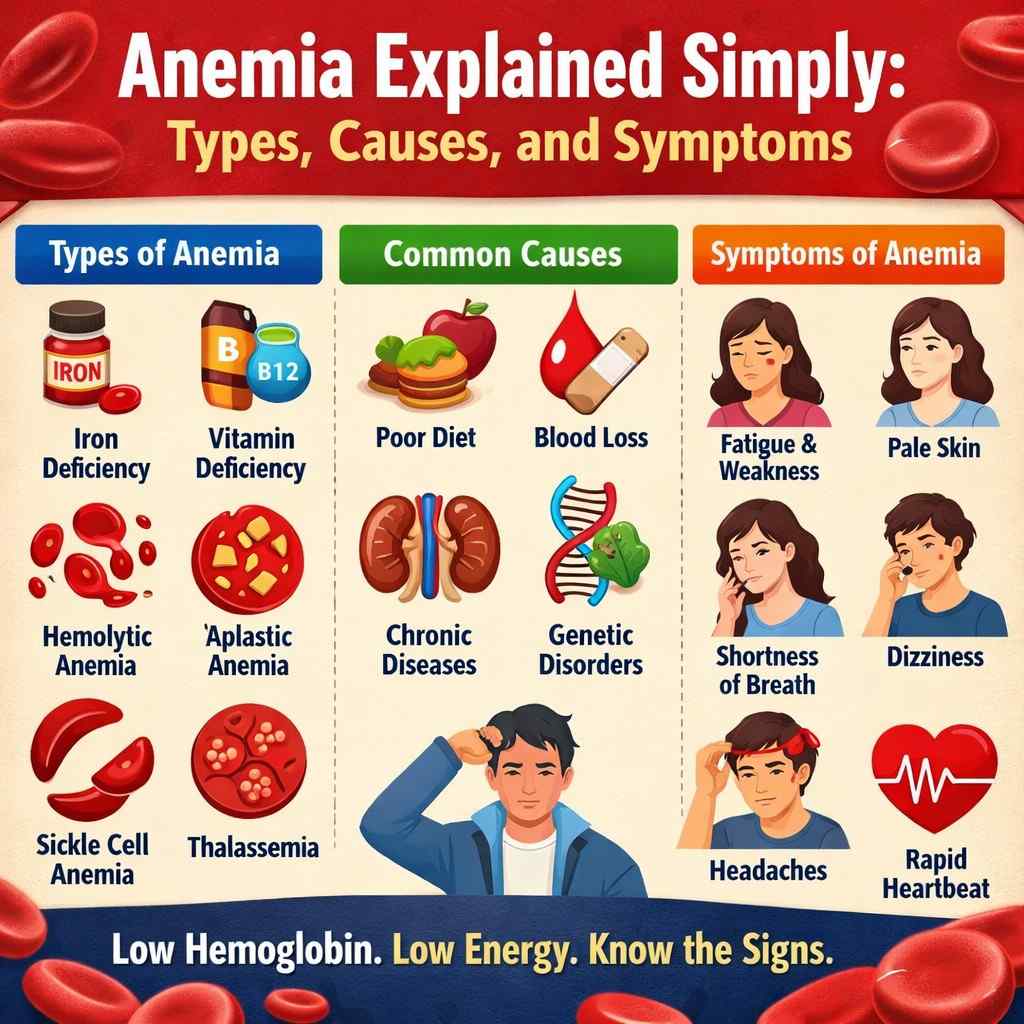
    Anemia is a common blood-related condition that occurs when the body does not have enough healthy red blood cells or hemoglobin to carry adequate oxygen to tissues. Since oxygen is essential for energy production and organ function, anemia can make a person feel tired, weak, and unwell. It affects people of all ages and can range from mild to severe depending on the cause and duration.

    What Is Anemia?

    Red blood cells contain hemoglobin, an iron-rich protein that binds oxygen in the lungs and delivers it throughout the body. Anemia develops when:

    • The body produces fewer red blood cells

    • Red blood cells are destroyed faster than they are made

    • Hemoglobin levels are lower than normal

    When oxygen delivery decreases, organs and muscles cannot function efficiently, leading to various symptoms.

    Types of Anemia

    There are several types of anemia, each with different causes:

    1. Iron-Deficiency Anemia

    This is the most common type of anemia. It occurs when the body lacks enough iron to produce hemoglobin. It is often seen in children, women of reproductive age, and people with poor dietary intake.

    2. Vitamin Deficiency Anemia

    This type occurs due to a lack of vitamin B12 or folate, both essential for red blood cell production. It can result from poor diet, absorption problems, or certain medical conditions.

    3. Anemia of Chronic Disease

    Long-term illnesses such as kidney disease, cancer, infections, or autoimmune disorders can interfere with red blood cell production, leading to anemia.

    4. Hemolytic Anemia

    In this condition, red blood cells are destroyed faster than the body can replace them. It may be inherited or caused by infections, medications, or autoimmune reactions.

    5. Aplastic Anemia

    A rare but serious form of anemia where the bone marrow fails to produce enough blood cells. It can be caused by infections, exposure to toxins, or immune system disorders.

    6. Inherited Anemias

    Conditions such as sickle cell anemia and thalassemia are genetic disorders that affect the structure or production of hemoglobin.

    Causes of Anemia

    Anemia can develop due to one or more of the following reasons:

    • Poor nutrition, especially low intake of iron, vitamin B12, or folate

    • Blood loss, such as heavy menstrual bleeding, injuries, surgery, or gastrointestinal bleeding

    • Chronic diseases affecting kidney function or bone marrow

    • Genetic conditions passed from parents to children

    • Infections or autoimmune disorders that destroy red blood cells

    • Pregnancy, where iron requirements increase significantly

    Identifying the underlying cause is essential for proper treatment.

    Symptoms of Anemia

    Symptoms of anemia may vary depending on severity and how quickly it develops. Common signs include:

    • Constant fatigue or weakness

    • Pale skin, lips, or nail beds

    • Shortness of breath, especially during physical activity

    • Dizziness or lightheadedness

    • Headaches

    • Cold hands and feet

    • Rapid or irregular heartbeat

    In severe cases, anemia may cause chest pain, fainting, or difficulty concentrating.

    Who Is at Risk?

    People at higher risk of anemia include:

    • Women with heavy menstrual cycles

    • Pregnant women

    • Infants and young children

    • Elderly individuals

    • People with chronic illnesses

    • Individuals with poor dietary habits

    Regular health checkups and blood tests help in early detection.

    Conclusion

    Anemia is a widespread condition that can significantly affect quality of life if left untreated. Understanding its types, causes, and symptoms is the first step toward prevention and timely care. Most forms of anemia can be effectively managed through proper nutrition, medical treatment, and lifestyle changes once the cause is identified. If symptoms persist, consulting a healthcare professional and undergoing blood tests can help ensure accurate diagnosis and appropriate treatment.
  • How Blood Is Tested Before Transfusion: Safety Protocols Explained

    How Blood Is Tested Before Transfusion: Safety Protocols Explained

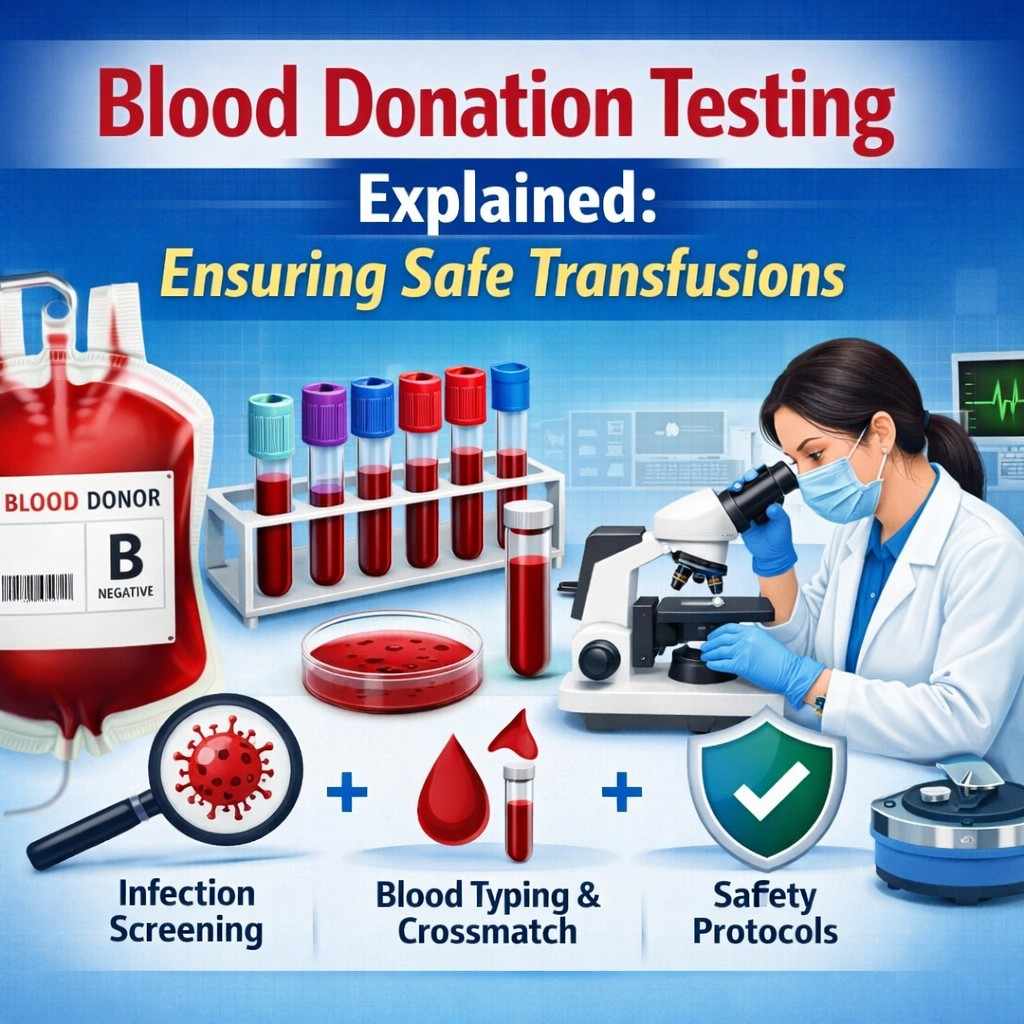
    Blood transfusion is a life-saving medical procedure used in surgeries, trauma care, childbirth complications, cancer treatment, and chronic blood disorders. To ensure patient safety, every unit of donated blood goes through a strict and multi-layered testing process before it is approved for transfusion. These safety protocols are designed to prevent infections, ensure compatibility, and maintain the highest standards of medical care.

    1. Donor Screening Before Blood Collection

    Safety begins even before blood is drawn. Potential donors are carefully screened through a questionnaire and basic health checks. This includes questions about medical history, recent illnesses, travel history, medications, and lifestyle factors that could increase infection risk. Vital signs such as hemoglobin levels, blood pressure, pulse, and body temperature are also checked. Only donors who meet all eligibility criteria are allowed to donate.

    2. Blood Grouping and Typing

    Once blood is collected, the first laboratory step is determining the blood group. Each unit is tested for ABO blood type (A, B, AB, or O) and Rh factor (positive or negative). Accurate blood typing is critical because transfusing incompatible blood can cause severe, sometimes fatal, reactions. This step ensures the right blood reaches the right patient.

    3. Testing for Infectious Diseases

    To prevent transfusion-transmitted infections, donated blood undergoes mandatory testing for several infectious diseases. These tests are performed using advanced laboratory techniques to detect even early-stage infections. Commonly tested infections include:

    • HIV (Human Immunodeficiency Virus)

    • Hepatitis B

    • Hepatitis C

    • Syphilis

    • Malaria (especially in regions where it is prevalent)

    If any test result is positive, the blood unit is immediately discarded and never used for transfusion.

    4. Antibody Screening

    In addition to blood grouping, laboratories perform antibody screening to detect unexpected antibodies in the donor’s blood. These antibodies can develop due to previous transfusions or pregnancies. If present, they may cause complications during transfusion. Identifying these antibodies helps blood banks select the safest possible match for patients.

    5. Crossmatching Before Transfusion

    Before blood is transfused to a patient, a crossmatch test is performed. This involves mixing a small sample of the patient’s blood with the donor blood to check for any adverse reaction. Crossmatching ensures complete compatibility and reduces the risk of transfusion reactions such as hemolysis or allergic responses.

    6. Component Separation and Storage

    After testing, whole blood is usually separated into components such as red blood cells, plasma, and platelets. Each component is stored under specific temperature-controlled conditions to preserve quality and safety. Blood banks strictly monitor storage duration and conditions to prevent contamination and degradation.

    7. Quality Control and Documentation

    Blood banks follow national and international regulatory standards to maintain safety. Every step—from donor screening to testing and storage—is documented and audited. Regular quality checks, equipment calibration, and staff training ensure that protocols are followed without compromise.

    8. Final Verification Before Use

    Before transfusion, healthcare professionals recheck blood labels, patient identity, and compatibility reports. This final verification step acts as an additional safety barrier to eliminate human error.

    Why These Protocols Matter

    These comprehensive testing and safety measures make modern blood transfusion extremely safe. The risk of contracting infections from transfused blood is now very low due to advancements in testing technology and strict regulations. Patients can receive blood with confidence, knowing that multiple safeguards are in place.

    Conclusion

    Blood testing before transfusion is a critical process that protects both patients and healthcare systems. From donor screening to advanced laboratory testing and final verification, every step is designed to ensure safety and reliability. This rigorous process highlights the importance of voluntary blood donation and the role of blood banks in saving lives safely and responsibly. Momodo sex nude gif

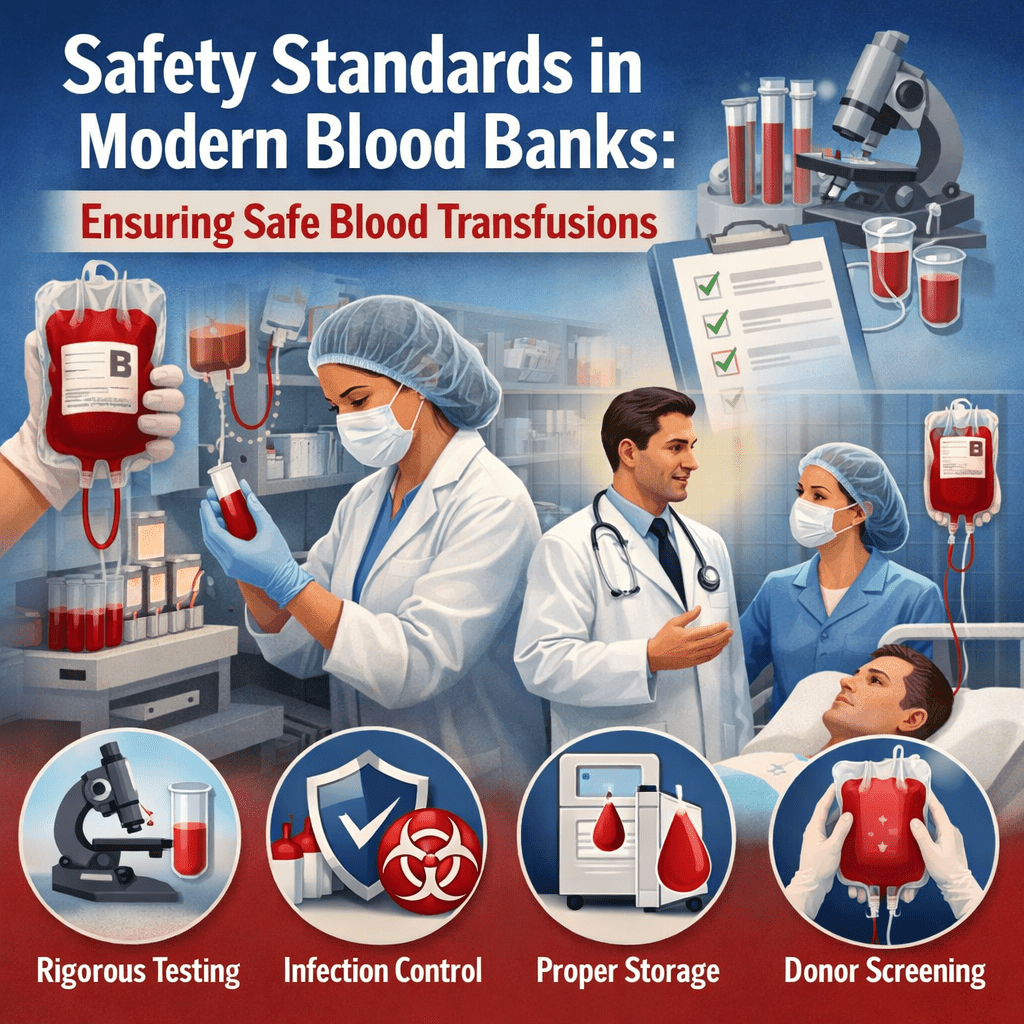
  • Safety Standards Followed by Modern Blood Banks

    Safety Standards Followed by Modern Blood Banks

    Blood banks play a critical role in healthcare systems by ensuring the availability of safe and life-saving blood for patients in need. Because blood transfusion involves direct transfer into the human body, maintaining strict safety standards is essential. Modern blood banks follow internationally recognized protocols and advanced technologies to ensure that every unit of blood is safe, hygienic, and traceable.

    Donor Eligibility and Screening

    Safety begins with careful donor selection. Before donating blood, every donor is required to complete a detailed health questionnaire. This helps identify any medical conditions, recent illnesses, medications, travel history, or lifestyle factors that may pose a risk.

    Trained medical staff also conduct a brief physical examination to check vital signs such as blood pressure, hemoglobin level, weight, and pulse. Only donors who meet established eligibility criteria are allowed to donate, reducing the risk of transmitting infections or complications.

    Sterile and Hygienic Collection Process

    Modern blood banks follow strict hygiene protocols during blood collection. Single-use, sterile needles and blood bags are used for each donor to prevent cross-contamination. These disposable materials are safely discarded after use, ensuring zero reuse.

    Donation areas are cleaned and disinfected regularly, and staff members wear gloves and protective equipment throughout the process. These practices minimize the risk of infections for both donors and healthcare workers.

    Mandatory Blood Testing

    Every donated unit of blood undergoes mandatory laboratory testing before it can be used for transfusion. Blood banks screen for infectious diseases such as HIV, Hepatitis B, Hepatitis C, syphilis, and malaria, following national and international guidelines.

    Advanced testing methods, including automated analyzers and sensitive screening techniques, help detect infections even in early stages. Blood that does not meet safety standards is immediately discarded and never enters the supply chain.

    Blood Grouping and Compatibility Checks

    Accurate blood typing is another essential safety standard. Blood banks determine the ABO blood group and Rh factor for every donation. Before transfusion, compatibility testing (cross-matching) is performed to ensure that the donor’s blood matches the recipient’s blood type.

    This step helps prevent transfusion reactions, which can be life-threatening if incompatible blood is administered.

    Proper Storage and Temperature Control

    Blood components must be stored under strict temperature-controlled conditions to maintain their quality and effectiveness. Whole blood and red blood cells are stored in specialized refrigerators, platelets in temperature-controlled agitators, and plasma in deep freezers.

    Modern blood banks continuously monitor storage temperatures using automated systems and alarms. Any deviation is immediately addressed to prevent spoilage or loss of blood units.

    Traceability and Documentation

    One of the most important safety measures is complete traceability. Each blood unit is labeled with a unique identification number that allows tracking from donor to recipient. This system ensures accountability and enables quick action in case of recalls or investigations. porn leaks Lexy

    Detailed records are maintained for donor details, testing results, storage conditions, and transfusion history, ensuring transparency and compliance with regulatory standards.

    Trained Staff and Regular Audits

    Modern blood banks employ trained professionals, including pathologists, lab technicians, and nurses who follow standard operating procedures at every step. Regular training programs help staff stay updated on the latest safety guidelines and technologies.

    In addition, blood banks undergo periodic inspections and audits by regulatory authorities to ensure compliance with safety regulations. These audits help maintain high standards and continuous improvement.

    Conclusion

    Safety is the foundation of modern blood banking. Through strict donor screening, advanced testing, sterile procedures, proper storage, and robust documentation systems, blood banks ensure that every unit of blood is safe for patients. These standards not only protect recipients but also build public trust, encouraging more people to donate blood and contribute to saving lives.

  • Why O-Negative Blood Is Called the Universal Donor

    Why O-Negative Blood Is Called the Universal Donor

    Blood is one of the most essential components of the human body, responsible for carrying oxygen, nutrients, and immune cells to every part of the body. When someone loses blood due to surgery, injury, or illness, a blood transfusion can be lifesaving. However, not all blood is the same, and the compatibility of blood types is crucial for a safe transfusion. Among the various blood types, O-negative (O-) blood is often referred to as the “universal donor.” But why is this the case? Let’s explore.

    Understanding Blood Types

    Human blood is classified into four main types: A, B, AB, and O, based on the presence or absence of certain antigens on the surface of red blood cells. Antigens are molecules that can trigger an immune response if they are foreign to the body.

    • Type A blood has A antigens.

    • Type B blood has B antigens.

    • Type AB blood has both A and B antigens.

    • Type O blood has neither A nor B antigens.

    Additionally, blood is classified by the Rh factor, which can be positive (+) or negative (-). The Rh factor is another antigen present on red blood cells. Combining the ABO system with the Rh factor gives eight possible blood types: A+, A-, B+, B-, AB+, AB-, O+, and O-.

    Why O-Negative Is Special

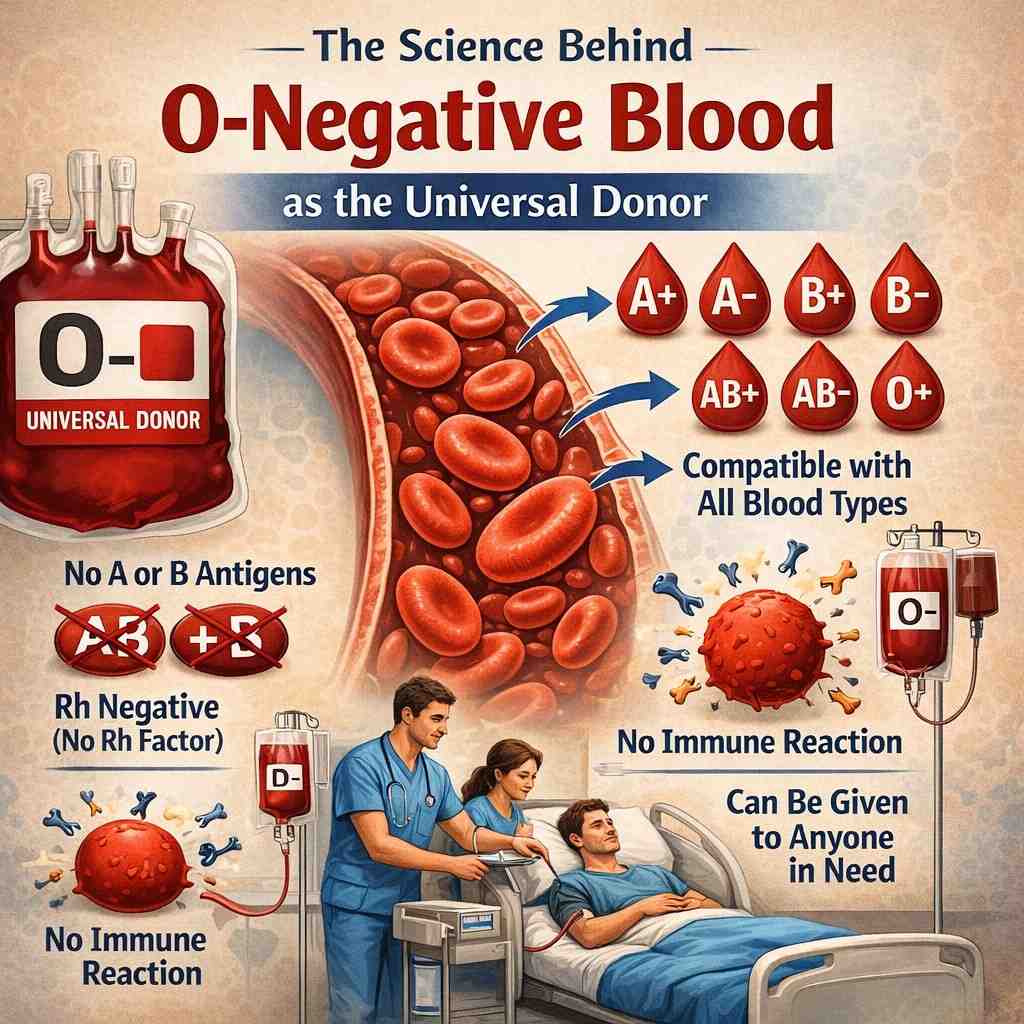
    O-negative blood is unique because it lacks A, B, and Rh antigens. This means:

    1. No A or B antigens – The blood will not trigger an immune response in recipients of any other blood type.

    2. No Rh factor – It can safely be given to both Rh-positive and Rh-negative patients.

    Because of this antigen-free nature, O-negative blood can be transfused to almost anyone, making it extremely valuable in emergencies where the recipient’s blood type is unknown.

    Universal Donor in Emergencies

    In trauma cases, accidents, or emergency surgeries, doctors often do not have time to perform a blood type test before transfusing blood. Here, O-negative blood becomes a lifesaver because it can be safely given to anyone, regardless of their blood type.

    • Example: If a patient is in critical condition after an accident and their blood type is unknown, using O-negative blood minimizes the risk of a transfusion reaction, which can be fatal.

    Because of its universal compatibility, O-negative blood is always in high demand in blood banks and hospitals worldwide.

    Limitations of O-Negative Blood

    Despite being the universal donor, O-negative blood is not unlimited. Only about 6-7% of the global population has O-negative blood, making it relatively rare. Blood banks often struggle to maintain adequate O-negative supplies, especially during disasters or blood drives.

    Also, while O-negative red blood cells can be transfused to anyone, plasma compatibility is different. Plasma from AB blood type is considered the universal plasma donor, showing that “universal donor” depends on whether we are talking about red cells, plasma, or platelets.

    Importance of Donating O-Negative Blood

    The scarcity and universal utility of O-negative blood make donation crucial. Regular donations ensure that hospitals have enough emergency blood on hand for:

    • Trauma victims

    • Surgery patients

    • Women experiencing complicated childbirth

    • Patients with chronic illnesses requiring transfusions

    Blood donation not only saves lives but also helps maintain a stable and reliable blood supply for hospitals.

    Conclusion

    O-negative blood is called the universal donor because it lacks A, B, and Rh antigens, allowing it to be safely transfused to nearly anyone in emergencies. Its rarity, combined with its universal compatibility, makes it a vital resource for hospitals and trauma centers worldwide.

    Every O-negative blood donation has the potential to save multiple lives, emphasizing the importance of blood donation awareness and participation. By donating blood, especially O-negative, individuals contribute directly to saving lives and supporting healthcare systems.

  • How Nutrition Affects Blood Quality and Hemoglobin Levels

    How Nutrition Affects Blood Quality and Hemoglobin Levels

    Blood plays a vital role in keeping the body healthy by transporting oxygen, nutrients, hormones, and waste products. One of the most important components of blood is hemoglobin, a protein found in red blood cells that carries oxygen from the lungs to the rest of the body. Maintaining good blood quality and healthy hemoglobin levels largely depends on proper nutrition. What we eat directly influences how efficiently our blood functions and how well our body stays energized and disease-free.

    Understanding Blood Quality and Hemoglobin

    Blood quality refers to the overall health and efficiency of blood components, including red blood cells, white blood cells, platelets, and plasma. Hemoglobin levels are a key indicator of blood health. Low hemoglobin can lead to conditions like anemia, causing fatigue, weakness, dizziness, and reduced immunity.

    Nutrition plays a crucial role in the production of red blood cells and hemoglobin. Without the right nutrients, the body cannot produce enough healthy blood cells, leading to poor oxygen delivery and overall health issues.

    Key Nutrients That Improve Blood Quality

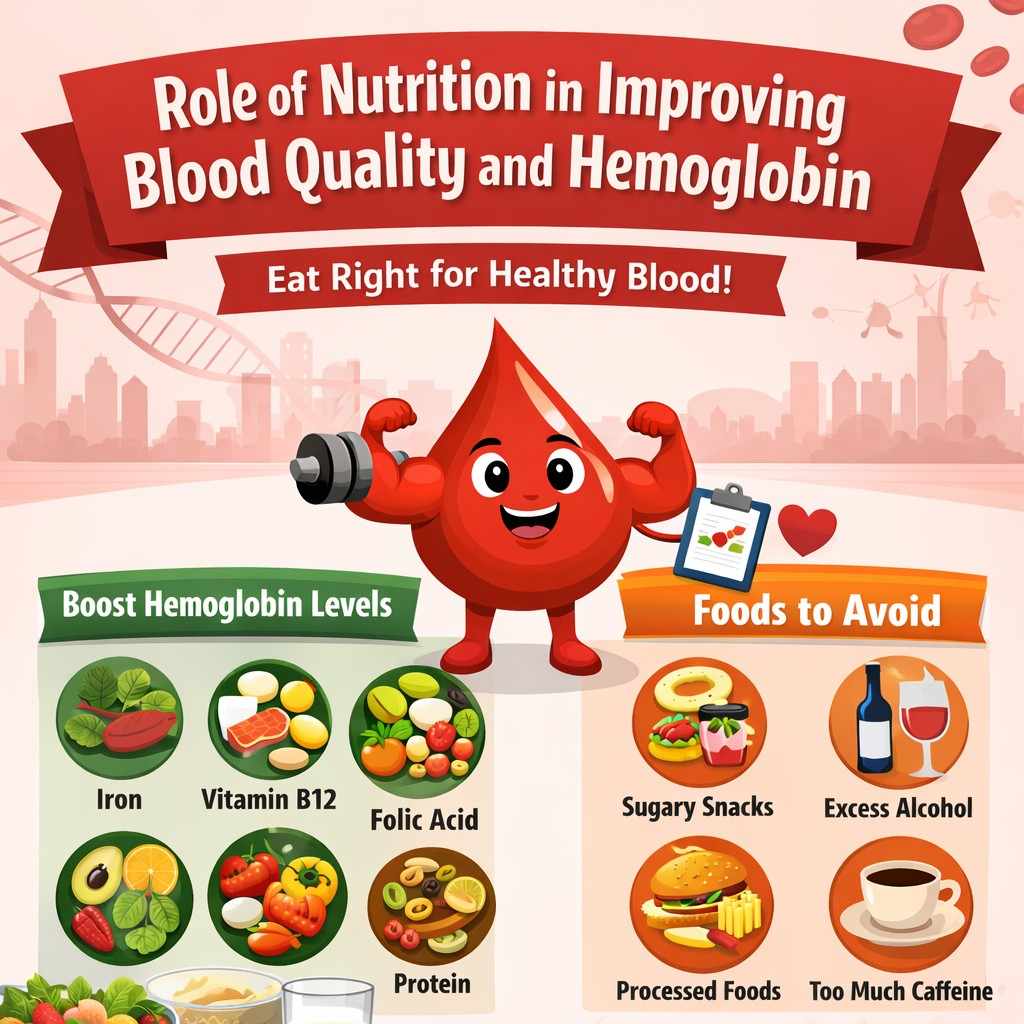
    1. Iron – The Building Block of Hemoglobin

    Iron is the most essential nutrient for hemoglobin production. It helps form hemoglobin molecules that bind oxygen. Iron deficiency is one of the leading causes of low hemoglobin levels worldwide.

    Iron-rich foods include:

    • Spinach and other leafy greens

    • Lentils, beans, and chickpeas

    • Red meat and liver

    • Dates, raisins, and jaggery

    • Fortified cereals

    Consuming vitamin C along with iron-rich foods helps improve iron absorption.

    2. Vitamin B12 – Supporting Red Blood Cell Formation

    Vitamin B12 is essential for the formation and maturation of red blood cells. A deficiency can result in enlarged, unhealthy red blood cells and reduced oxygen delivery.

    Sources of Vitamin B12:

    • Milk, curd, and cheese

    • Eggs

    • Fish and meat

    • Fortified plant-based foods

    Vegetarians and vegans are more prone to B12 deficiency and may need supplementation under medical guidance.

    3. Folic Acid (Vitamin B9) – Promoting Healthy Blood Cells

    Folic acid supports DNA synthesis and helps produce healthy red blood cells. Low folate levels can cause anemia and fatigue.

    Folate-rich foods include:

    • Green leafy vegetables

    • Citrus fruits

    • Avocados

    • Peanuts and legumes

    • Whole grains

    4. Vitamin C – Enhancing Iron Absorption

    Vitamin C does not directly increase hemoglobin but significantly improves the body’s ability to absorb iron from plant-based foods.

    Good sources of Vitamin C:

    • Oranges and lemons

    • Guava

    • Bell peppers

    • Strawberries

    • Tomatoes

    5. Protein – Essential for Blood Cell Production

    Proteins are required to build red blood cells and plasma proteins. A protein-deficient diet can negatively affect blood quality.

    Protein-rich foods include:

    • Eggs

    • Dairy products

    • Pulses and legumes

    • Nuts and seeds

    • Lean meat and fish

    Foods That May Negatively Affect Blood Quality

    Certain foods and habits can interfere with nutrient absorption or blood health if consumed excessively:

    • Tea and coffee reduce iron absorption when consumed with meals

    • Highly processed foods lack essential nutrients

    • Excess alcohol can interfere with red blood cell production

    • High sugar intake can impact overall blood health

    Moderation and balanced eating are key to maintaining healthy blood quality.

    Nutrition Tips to Maintain Healthy Hemoglobin Levels

    • Eat a balanced diet rich in iron, vitamins, and protein

    • Combine iron-rich foods with vitamin C sources

    • Stay well-hydrated to maintain blood volume

    • Avoid skipping meals

    • Get regular blood tests to monitor hemoglobin levels

    Conclusion

    Nutrition has a direct and powerful impact on blood quality and hemoglobin levels. A diet rich in iron, vitamins, protein, and minerals supports healthy red blood cell production and ensures efficient oxygen transport throughout the body. By making mindful food choices and maintaining a balanced diet, individuals can significantly improve their blood health, boost energy levels, and reduce the risk of anemia.

    Healthy blood begins on your plate—and small nutritional changes can make a big difference in overall well-being.

  • How to Handle Dizziness or Fatigue After Blood Donation

    How to Handle Dizziness or Fatigue After Blood Donation

    Blood donation is a noble act that helps save lives, but some donors—especially first-time donors—may experience mild dizziness or fatigue after donating blood. This reaction is usually temporary and completely normal. Understanding why it happens and knowing how to manage it can help ensure a safe and comfortable recovery after donation.

    Why Dizziness or Fatigue Occurs After Blood Donation

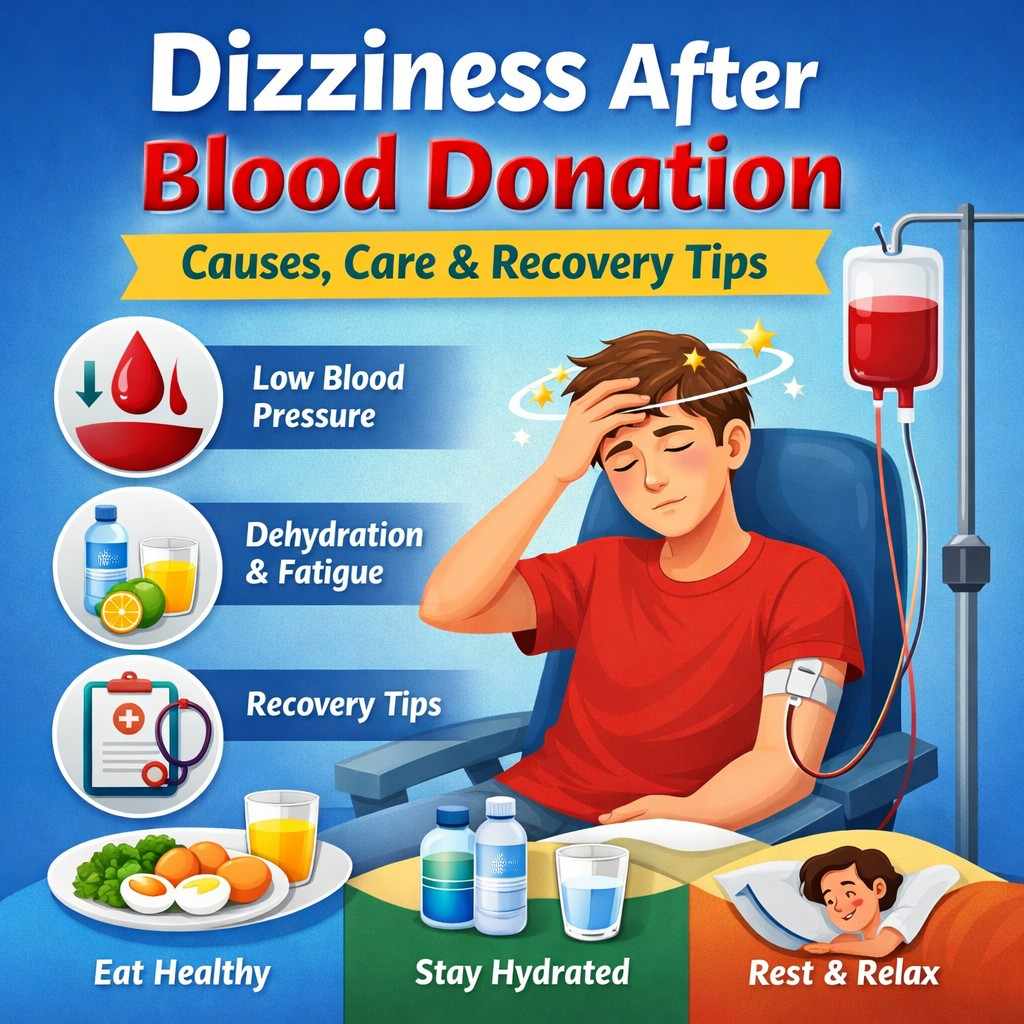
    During blood donation, approximately 350–450 ml of blood is collected. This temporary reduction in blood volume can cause a drop in blood pressure, leading to lightheadedness or fatigue. In some cases, dehydration, low blood sugar, anxiety, or standing up too quickly after donation may contribute to these symptoms. The body typically restores the lost blood volume within 24–48 hours, while red blood cells are replenished over a few weeks.

    Immediate Steps to Take After Donation

    Right after donating blood, it’s important to rest for a short period. Most donation centers recommend sitting or lying down for 10–15 minutes. This allows your body to adjust and helps prevent sudden drops in blood pressure. Avoid getting up too quickly, and if you feel lightheaded, inform the staff immediately so they can assist you.

    Drinking fluids is essential. Water, fruit juice, or electrolyte drinks help restore lost fluids and improve circulation. Avoid alcohol for at least 24 hours, as it can increase dehydration and worsen dizziness.

    Eat the Right Foods for Recovery

    Eating a light, nutritious meal after donation plays a key role in reducing fatigue. Choose foods rich in iron, protein, and complex carbohydrates. Iron-rich foods such as spinach, lentils, beans, eggs, and lean meats help replenish iron levels, while fruits like oranges or lemons enhance iron absorption due to their vitamin C content.

    Avoid skipping meals after donating blood. Low blood sugar can increase feelings of weakness or dizziness, especially if you donated on an empty stomach.

    Take It Easy for the Rest of the Day

    After donating blood, avoid heavy exercise, gym workouts, or strenuous physical activities for at least 24 hours. Intense activity can divert blood flow to muscles, increasing the risk of dizziness or fainting. Light activities such as walking or stretching are usually safe if you feel comfortable.

    Also, avoid standing for long periods and be cautious when climbing stairs or driving immediately after donation. If your job involves physical labor, consider taking the rest of the day off or performing lighter tasks.

    Manage Dizziness Safely

    If you feel dizzy at any point after leaving the donation center, sit or lie down immediately. Elevating your legs can help improve blood flow to the brain and reduce lightheadedness. Deep, slow breathing can also help calm the nervous system and stabilize blood pressure. corina kopf leak

    In case of nausea or excessive sweating, loosen tight clothing and sip water slowly. Most symptoms resolve within a few minutes when handled correctly.

    Stay Hydrated and Rest Well

    Hydration doesn’t stop after the donation center visit. Continue drinking fluids throughout the day and the following day. Proper sleep is equally important. A good night’s rest allows the body to recover faster and helps reduce lingering fatigue.

    When to Seek Medical Help

    Mild dizziness and fatigue usually disappear within a few hours. However, seek medical attention if symptoms persist beyond 24 hours, worsen, or are accompanied by fainting, chest pain, or severe weakness. These symptoms are rare but should not be ignored.

    Final Thoughts

    Experiencing dizziness or fatigue after blood donation is common and temporary. With proper hydration, nutrition, rest, and mindful activity, most donors recover quickly and comfortably. Preparing well before donation and following post-donation care guidelines ensures a positive experience—making it easier to donate again and continue saving lives.

  • Fitness & Blood Donation: Essential Guidelines for Active Donors

    Fitness & Blood Donation: Essential Guidelines for Active Donors

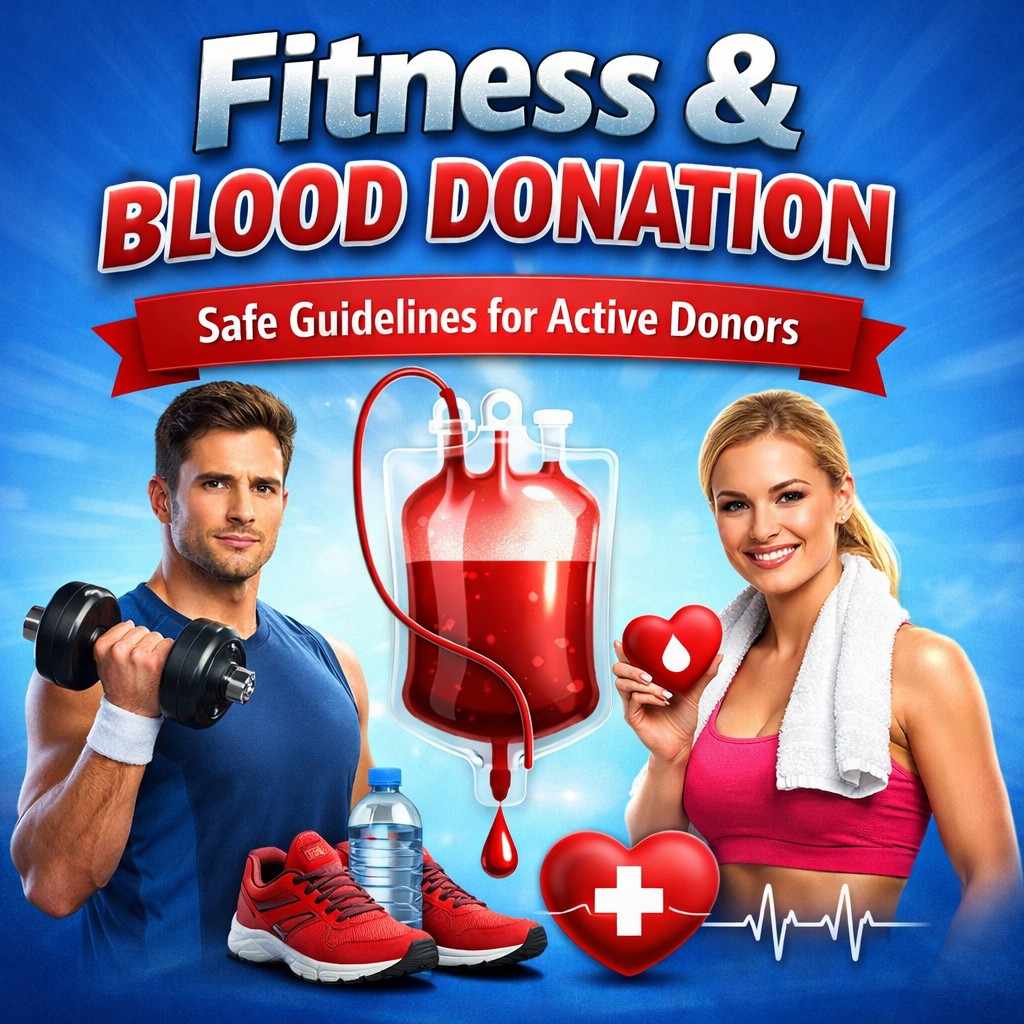
    Staying physically active is a sign of good health, and many fitness enthusiasts also want to contribute to society by donating blood. The good news is that being fit can actually make you a great blood donor. However, active individuals should follow certain guidelines before and after donating blood to ensure safety, quick recovery, and continued performance. This guide explains everything active donors need to know.

    Can Physically Active People Donate Blood?

    Yes, absolutely. Regular exercise does not prevent you from donating blood. In fact, individuals who maintain a healthy lifestyle often meet the basic eligibility requirements more easily, such as having good hemoglobin levels, stable blood pressure, and overall wellness. That said, timing and preparation are important—especially if you train frequently or intensely.

    Preparing for Blood Donation as an Active Donor

    Proper preparation helps prevent fatigue or dizziness after donation.

    • Stay hydrated: Drink plenty of water 24 hours before donating blood. Hydration supports blood volume and circulation.

    • Eat a balanced meal: Include iron-rich foods like spinach, lentils, beans, eggs, and lean meats. Avoid donating on an empty stomach.

    • Avoid intense workouts: Skip heavy lifting or high-intensity training on the day of donation to reduce strain on your body.

    • Get enough sleep: A good night’s rest ensures stable energy levels and smooth recovery.

    What Happens to Your Body After Donation?

    When you donate blood, your body temporarily loses red blood cells and plasma. Plasma is replaced within 24–48 hours, while red blood cells may take a few weeks to return to normal levels. Active donors might feel slightly tired or light-headed if they resume intense physical activity too soon.

    This doesn’t mean you’ll lose strength or endurance long-term—it simply means your body needs time to rebalance.

    Post-Donation Fitness Guidelines

    Recovery is especially important for athletes and gym-goers.

    • Rest for 24 hours: Avoid workouts, running, or sports for at least a day after donating blood.

    • Start light: Resume exercise with low-intensity activities such as walking or gentle stretching.

    • Avoid heavy lifting: Weight training should be postponed for 48 hours to prevent muscle strain or dizziness.

    • Listen to your body: If you feel tired, slow down. Everyone recovers at a different pace.

    Nutrition Tips for Active Blood Donors

    Fueling your body correctly speeds up recovery and supports performance.

    • Increase iron intake: Foods like beetroot, dates, pomegranate, green leafy vegetables, and fortified cereals help replenish iron levels. bhad bhabie leaked onlyfans

    • Add vitamin C: Citrus fruits help your body absorb iron more efficiently.

    • Stay hydrated: Continue drinking water, coconut water, or fresh juices after donation.

    • Avoid alcohol: Alcohol can increase dehydration and delay recovery.

    Common Myths About Fitness and Blood Donation

    Myth: Donating blood will reduce muscle strength.
    Fact: Blood donation does not cause muscle loss or long-term weakness.

    Myth: Athletes should not donate blood.
    Fact: Many professional athletes donate blood safely by planning their training schedules wisely.

    When Should Active Donors Avoid Donating?

    You should postpone blood donation if:

    • You’ve recently completed a marathon or intense competition

    • You’re recovering from an injury or illness

    • You feel unusually fatigued or dehydrated

    Waiting until your body is fully recovered ensures both your safety and the quality of donated blood.

    Final Thoughts

    Fitness and blood donation go hand in hand when done responsibly. By preparing well, resting adequately, and maintaining proper nutrition, active donors can continue training while making a life-saving impact. Blood donation is not just a noble act—it’s a powerful reminder that a healthy body can help save lives.

  • How to Organize a Community Blood Donation Camp

    How to Organize a Community Blood Donation Camp

    Organizing a community blood donation camp is a meaningful way to contribute to society and save lives. Blood is a critical resource in hospitals, and voluntary donation ensures that patients in need of transfusions have access to safe and timely blood. Whether you are part of an organization, college, or community group, hosting a blood donation camp can make a significant impact. Here’s a comprehensive guide on how to organize a successful camp.

    1. Plan Ahead and Set Objectives

    The first step in organizing a blood donation camp is planning. Identify the primary objective—is it to increase awareness, collect a certain number of units, or encourage first-time donors? Determine the target audience such as college students, office employees, or local residents. Clear objectives will help in designing an effective campaign and measuring success.

    2. Partner with a Certified Blood Bank

    Collaborating with a reliable and certified blood bank is crucial. They will provide the necessary medical equipment, trained staff, and ensure the blood collection follows safety and hygiene protocols. Reach out early to finalize the date, location, and logistics. Blood banks may also provide promotional material and help with pre-donation screening.

    3. Choose a Suitable Venue

    Select a venue that is easily accessible and has sufficient space for registration, waiting areas, and donation beds. Ensure the venue is well-ventilated, clean, and comfortable for donors. Schools, community halls, corporate offices, or college auditoriums are commonly used venues.

    4. Schedule and Timing

    Decide on a date and duration for the camp. Weekends or public holidays are ideal since more people are likely to participate. Keep the camp open for at least 4–6 hours to accommodate donors throughout the day.

    5. Promote the Blood Donation Camp

    Effective promotion is key to attracting donors. Use a combination of methods:

    • Social Media: Share posts and event pages on platforms like Facebook, Instagram, and LinkedIn.

    • Posters and Flyers: Place them in high-traffic areas within your community or organization.

    • Email and WhatsApp: Send reminders to employees, students, or community members.

    • Word of Mouth: Encourage volunteers to spread the word.

    Highlight the impact of donation and the importance of saving lives to motivate participation.

    6. Prepare for On-Site Logistics

    Ensure that all logistics are well-organized:

    • Registration Desk: For collecting donor details and verifying eligibility.

    • Pre-Donation Screening: Medical personnel should check hemoglobin levels, blood pressure, and general health.

    • Donation Area: Comfortable beds and chairs for donors, with privacy screens if possible.

    • Post-Donation Area: Provide refreshments and snacks to help donors recover.

    • Emergency Preparedness: Have first-aid kits and trained staff ready for any adverse reactions.

    7. Engage Volunteers

    Volunteers can assist in registration, guiding donors, distributing refreshments, and helping with post-donation monitoring. They also help create a friendly and welcoming environment for donors, making the experience more enjoyable.

    8. Follow Up After the Camp

    After the camp, thank all donors, volunteers, and partners through emails, social media, or messages. Share the impact of the camp, such as total units of blood collected and the number of lives potentially saved. This encourages continued participation in future drives.

    9. Ensure Compliance and Safety

    Make sure the entire process adheres to medical safety standards. The blood bank will ensure proper screening and handling of collected blood. Additionally, maintain hygiene protocols and observe donor eligibility guidelines.

    Conclusion

    Organizing a community blood donation camp is a rewarding initiative that strengthens community ties and saves lives. With careful planning, collaboration with certified blood banks, effective promotion, and smooth execution, your camp can make a meaningful impact. Encourage repeat donors, maintain safety standards, and celebrate the collective effort to make blood donation a regular part of community service.

  • Blood Compatibility Between Siblings: What You Should Know

    Blood Compatibility Between Siblings: What You Should Know

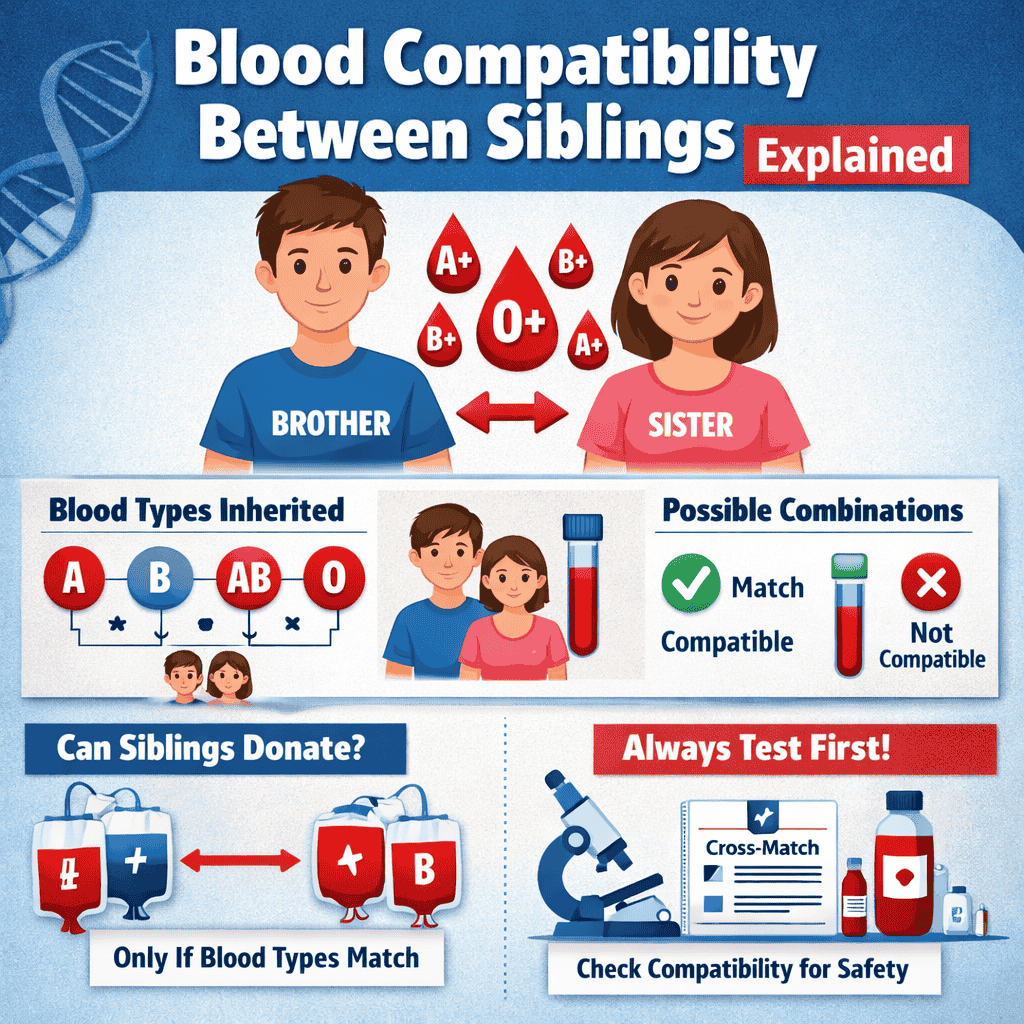
    Blood compatibility between siblings is a topic that often comes up during medical emergencies, blood donations, and family health discussions. Many people assume that brothers and sisters always have compatible blood types, but genetics makes this more complex. Understanding how blood groups are inherited and how compatibility works can help families make informed decisions during critical situations.

    How Blood Groups Are Inherited

    Blood type is inherited from parents through genes. Each parent contributes one gene that determines a child’s blood group. The most common blood group system is the ABO system, which includes A, B, AB, and O blood types. Another crucial factor is the Rh factor, which is either positive (+) or negative (–).

    Because siblings inherit different combinations of genes, it is entirely possible for them to have different blood types—even though they share the same parents. For example, if both parents carry genes for blood group A and O, one sibling might have blood group A while another could have blood group O.

    Can Siblings Have the Same Blood Group?

    Yes, siblings can have the same blood group, but it is not guaranteed. Some families have multiple children with identical blood types, while others have siblings with completely different blood groups and Rh factors. The variation depends on the genetic combinations passed down from the parents.

    Even when siblings share the same ABO blood group, their Rh factor may differ. One sibling could be A positive, while another could be A negative, which affects blood compatibility for transfusions.

    Are Siblings Always Blood-Compatible?

    No, siblings are not always blood-compatible. Blood compatibility depends on both the ABO blood group and the Rh factor. For a safe blood transfusion, the donor’s blood must be compatible with the recipient’s blood type to avoid serious immune reactions.

    For example:

    • A sibling with blood group O negative can donate blood to most other siblings.

    • A sibling with blood group AB positive can receive blood from most blood types but can donate only to AB positive recipients.

    • If one sibling is Rh-negative and the other is Rh-positive, compatibility depends on who is donating and who is receiving.

    This means that even close blood relations like siblings must undergo proper blood typing and cross-matching before any transfusion.

    Can Siblings Donate Blood to Each Other?

    Siblings can donate blood to each other only if their blood types are compatible. In emergency situations, family members are often considered first because they are readily available and willing to help. However, medical professionals never rely solely on family relationships—they always test blood samples to ensure safety.

    It is also important to note that blood donation rules apply equally to siblings. Donors must meet health, age, weight, and hemoglobin requirements before they are eligible to donate blood.

    Special Cases: Bone Marrow and Organ Donation

    While blood compatibility is important, siblings are often especially significant in bone marrow and organ donation. Siblings have a higher chance of being a close genetic match for bone marrow transplants compared to unrelated donors. However, even in these cases, compatibility testing is essential, and not all siblings will be suitable donors.

    Why Knowing Sibling Blood Groups Matters

    Knowing the blood groups of siblings can be life-saving in emergencies. In cases of accidents, surgeries, or medical complications, having immediate access to a compatible donor can reduce delays in treatment. It also helps families prepare for situations involving rare blood types.

    Additionally, understanding family blood group patterns can be useful for medical history records and future health planning.

    Key Takeaways

    • Siblings may or may not share the same blood group due to genetic variation.

    • Blood compatibility depends on both the ABO system and the Rh factor.

    • Siblings are not automatically compatible for blood transfusions.

    • Proper testing and cross-matching are always required before donation.

    • Knowing the blood groups of family members can be crucial in emergencies.

  • How Long Does Donated Blood Last? Storage, Shelf Life & Usage

    How Long Does Donated Blood Last? Storage, Shelf Life & Usage

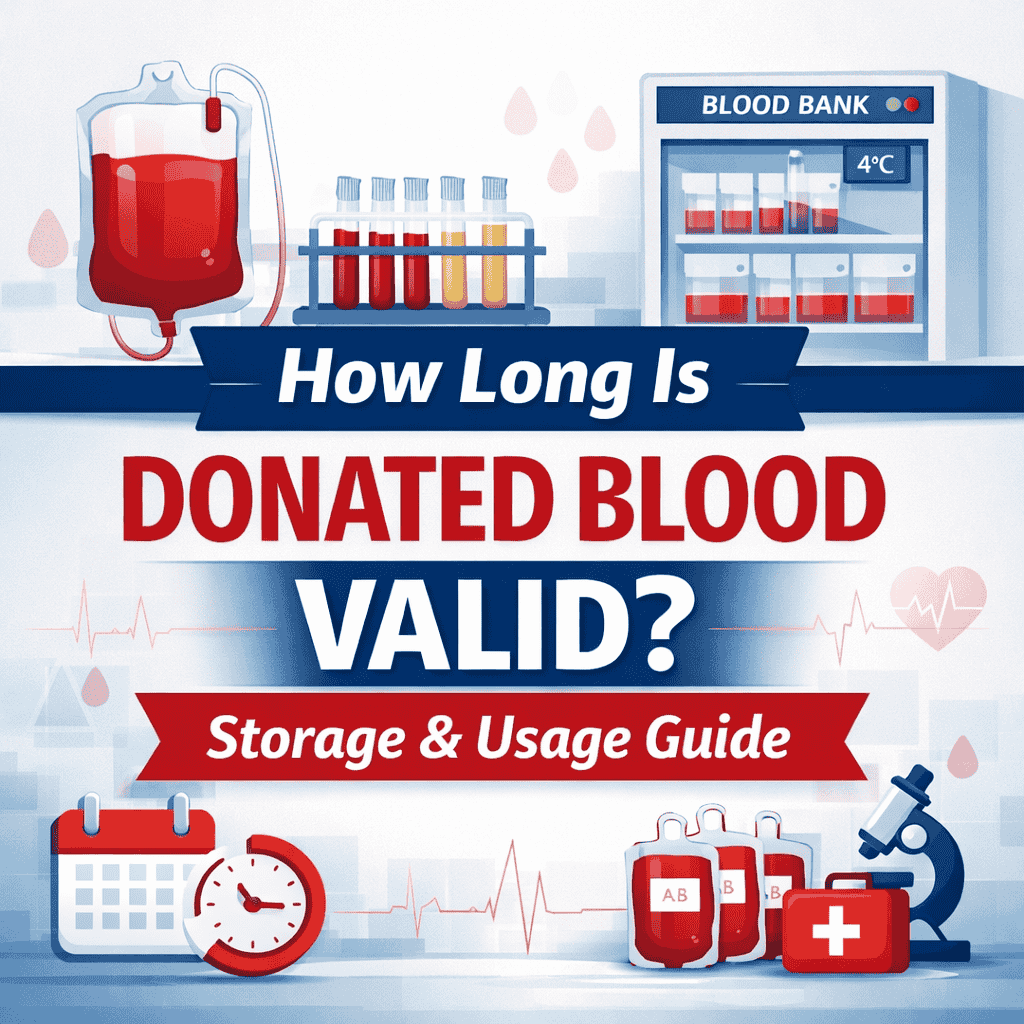
    Blood donation saves millions of lives every year, yet many people don’t realize that donated blood has a limited shelf life. Blood cannot be stored forever, which is why continuous donations are critical for hospitals and blood banks. Understanding how long donated blood lasts, how it is stored, and how it is used can help people appreciate the urgency and importance of regular blood donation.

    How Is Donated Blood Stored?

    After a donor gives blood, it is carefully collected, tested, processed, and stored under strict medical guidelines. Blood banks follow national and international safety standards to ensure that donated blood remains safe and effective for patients.

    Once collected, blood is usually separated into different components:

    • Red Blood Cells

    • Plasma

    • Platelets

    Each component serves a different medical purpose and has a different storage method and shelf life. This separation helps maximize the impact of a single blood donation, allowing it to help multiple patients.

    Shelf Life of Donated Blood Components

    1. Red Blood Cells (RBCs)

    Red blood cells are the most commonly used blood component, especially in surgeries, accident cases, and for patients with anemia.

    • Shelf life: Up to 42 days

    • Storage temperature: 2°C to 6°C (refrigerated)

    After 42 days, red blood cells can no longer be used and must be discarded, even if they are perfectly safe otherwise.

    2. Platelets

    Platelets are crucial for patients with cancer, dengue, severe infections, or bleeding disorders. However, they have the shortest shelf life. Bhad Bhabie reddit

    • Shelf life: Only 5 days

    • Storage temperature: 20°C to 24°C (room temperature) with continuous agitation

    Because platelets expire so quickly, blood banks often face shortages, making frequent donations extremely important.

    3. Plasma

    Plasma is the liquid part of blood and is often used for burn victims, liver disease patients, and clotting disorders.

    • Shelf life: Up to 1 year when frozen

    • Storage temperature: Below –18°C

    Plasma’s longer shelf life allows it to be stored for emergency situations and large-scale medical needs.

    Why Does Donated Blood Expire?

    Blood is a living tissue made up of cells. Over time, these cells lose their ability to function effectively. Even under ideal storage conditions, red blood cells weaken, platelets lose effectiveness, and the risk of contamination increases.

    This is why blood banks cannot stockpile blood indefinitely and must rely on regular, voluntary blood donations to meet daily medical demands.

    How Is Donated Blood Used?

    Donated blood plays a vital role in many medical situations, including:

    • Road accident and trauma cases

    • Major surgeries and organ transplants

    • Cancer and chemotherapy treatments

    • Childbirth complications

    • Patients with thalassemia and blood disorders

    • Burn victims and ICU patients

    In emergencies, every minute matters. Having readily available, unexpired blood can mean the difference between life and death.

    Why Regular Blood Donation Is Essential

    Because blood components have different shelf lives, blood banks need a continuous flow of donors, not just donations during campaigns or special days. Platelets expire in just five days, and red blood cells last only six weeks. This makes regular donations essential to maintain a stable blood supply.

    Unfortunately, blood shortages are common, especially during festivals, holidays, and disasters. Platforms like BloodSaathi help bridge this gap by connecting donors and patients quickly during emergencies.

    How BloodSaathi Helps Save Lives

    BloodSaathi plays a critical role in ensuring timely access to blood by:

    • Connecting donors with patients in urgent need

    • Reducing delays during medical emergencies

    • Encouraging regular and voluntary blood donation

    • Building a reliable blood donor community

    By enabling faster communication and donor matching, BloodSaathi helps ensure that precious donated blood is used before it expires.

    Final Thoughts

    Donated blood is precious—but it is also perishable. Understanding its shelf life highlights why every donation matters and why regular donors are true lifesavers. One small act of donating blood can help multiple patients, but only if donations continue consistently.

    Be proactive. Be informed. Be a BloodSaathi—because someone, somewhere, needs blood today.