Author: admin

  • Common Mistakes First-Time Blood Donors Should Avoid

    Common Mistakes First-Time Blood Donors Should Avoid

    Donating blood for the first time is a generous and life-saving decision. While the process is safe and simple, many first-time donors unknowingly make small mistakes that can cause discomfort, anxiety, or even prevent them from donating successfully. Being informed beforehand helps ensure a smooth experience and encourages long-term donation habits.

    Here are some of the most common mistakes first-time blood donors should avoid—and how to prepare better.

    1. Donating on an Empty Stomach

    One of the biggest mistakes first-time donors make is skipping meals before donation. Donating blood on an empty stomach can lead to dizziness, weakness, nausea, or fainting.

    What to do instead:
    Eat a light, balanced meal 2–3 hours before donating. Include fruits, whole grains, and iron-rich foods like leafy vegetables, lentils, or eggs. Avoid heavy, oily, or junk food just before donation.

    2. Not Drinking Enough Fluids

    Many donors underestimate the importance of hydration. Dehydration can make veins harder to locate and increase the chances of feeling lightheaded after donation.

    What to do instead:
    Drink plenty of water before and after donating blood. Staying hydrated helps maintain healthy blood pressure and supports quicker recovery.

    3. Ignoring Eligibility Requirements

    Some first-time donors arrive without checking basic eligibility criteria such as age, weight, recent illness, travel history, or medication use. This can result in last-minute deferral, which may feel discouraging.

    What to do instead:
    Review eligibility guidelines in advance and be honest during the screening process. These rules exist to protect both the donor and the recipient.

    4. Letting Fear Take Over

    Fear of needles or anxiety about the process is common among first-time donors. However, excessive nervousness can make the experience uncomfortable.

    What to do instead:
    Relax, take deep breaths, and communicate openly with the medical staff. The donation process usually takes only a few minutes and is handled by trained professionals.

    5. Wearing Inappropriate Clothing

    Tight sleeves or uncomfortable clothing can make the donation process inconvenient and uncomfortable.

    What to do instead:
    Wear loose, comfortable clothing with sleeves that can be rolled up easily. Comfort helps you stay relaxed during the donation.

    6. Overdoing Physical Activity After Donation

    Some donors resume heavy exercise or physically demanding work immediately after donating, which can lead to fatigue, dizziness, or weakness.

    What to do instead:
    Rest for a few hours after donation. Avoid strenuous exercise, lifting heavy objects, or long outdoor activities on the same day.

    7. Skipping Post-Donation Care

    Ignoring post-donation instructions—such as skipping snacks or hydration—is another common mistake.

    What to do instead:
    Have a snack, drink fluids, and stay seated for a few minutes after donation. If you feel dizzy or unwell, inform the staff immediately.

    8. Believing One Donation Is Enough

    While one donation can save lives, blood is needed every day. Many first-time donors don’t return simply because they don’t realize the ongoing need.

    What to do instead:
    If you’re healthy and eligible, consider making blood donation a regular habit. Consistent donors play a crucial role in maintaining a stable blood supply.

    Conclusion

    First-time blood donation is a meaningful step toward helping others in critical need. By avoiding these common mistakes and preparing properly, donors can ensure a safe, comfortable experience and feel confident about donating again.

    Blood donation is not just a one-time act—it’s a responsibility that saves lives, strengthens communities, and reflects the best of humanity. 🩸
  • How Blood Donation Helps Mothers During Childbirth

    How Blood Donation Helps Mothers During Childbirth

    Childbirth is one of the most critical and life-changing moments in a woman’s life. While modern medicine has made delivery safer than ever, complications during childbirth can still arise without warning. In many such cases, timely access to blood becomes the difference between life and loss. Blood donation plays a vital role in ensuring safe childbirth and protecting mothers during and after delivery.

    Why Blood Is Crucial During Childbirth

    During delivery, a woman’s body undergoes immense physical stress. Blood loss is common, but excessive bleeding—known as postpartum hemorrhage—can become life-threatening within minutes. According to medical experts, postpartum hemorrhage is one of the leading causes of maternal mortality worldwide.

    In such emergencies, doctors rely on readily available blood to stabilize the mother, maintain blood pressure, and ensure oxygen reaches vital organs. Without donated blood, even the best medical care can fall short.

    Managing Postpartum Hemorrhage Through Blood Transfusion

    Postpartum hemorrhage can occur during natural delivery or cesarean section. It may be caused by uterine complications, retained placenta, or surgical issues. When blood loss exceeds safe levels, immediate transfusion is required.

    Blood donation ensures that hospitals have sufficient blood reserves to respond instantly. A single unit of blood can help restore circulation and prevent shock, giving doctors the critical time needed to treat the underlying cause and save the mother’s life.

    Supporting Mothers with Anemia During Pregnancy

    Anemia is a common condition among pregnant women, especially in developing regions. Low hemoglobin levels reduce the body’s ability to handle blood loss during delivery, increasing the risk of complications.

    Blood donation helps anemic mothers by providing safe transfusions before, during, or after childbirth. These transfusions improve oxygen supply, reduce fatigue, and support faster recovery, ensuring both mother and baby remain healthy.

    Blood Donation in Emergency and High-Risk Deliveries

    Some pregnancies are classified as high-risk due to conditions such as placenta previa, preeclampsia, multiple pregnancies, or previous cesarean deliveries. These cases often require planned blood availability even before labor begins.

    Donated blood ensures preparedness. Hospitals can perform emergency surgeries, manage unexpected complications, and respond confidently when blood is readily available. For high-risk mothers, donated blood acts as a safety net during delivery.

    Helping Mothers Recover After Childbirth

    Blood loss doesn’t end at delivery. Many women experience weakness, dizziness, or delayed healing after childbirth due to low blood levels. Blood transfusions help restore energy, improve immunity, and accelerate recovery.

    By replenishing lost blood, donors indirectly support mothers in caring for their newborns, breastfeeding effectively, and regaining physical strength during the postpartum period.

    The Role of Voluntary Blood Donors in Maternal Care

    Voluntary blood donors are the backbone of maternal healthcare. Their selfless act ensures that blood banks remain stocked and ready for emergencies. Since blood cannot be manufactured and has a limited shelf life, continuous donations are essential.

    Every donor contributes to a system that saves countless mothers each day. Even without knowing the recipient, donors become silent protectors of motherhood and family well-being. Lexi dafne keen nude lexixx200

    How Technology Is Strengthening Blood Availability for Mothers

    Blood donation apps and digital platforms have made it easier to locate donors quickly during childbirth emergencies. These platforms connect hospitals, donors, and families in real time, reducing delays and saving precious minutes.

    Technology has transformed blood donation into a faster, more reliable support system—especially crucial for maternal emergencies where time is critical.

    A Lifeline for Mothers and Families

    Blood donation is more than a medical necessity—it is a lifeline for mothers bringing new life into the world. Behind every safe delivery supported by donated blood lies a chain of compassion, responsibility, and humanity.

    By donating blood, individuals help ensure that childbirth remains a moment of joy rather than tragedy. Supporting blood donation means protecting mothers, strengthening families, and safeguarding the future—one life-saving drop at a time.

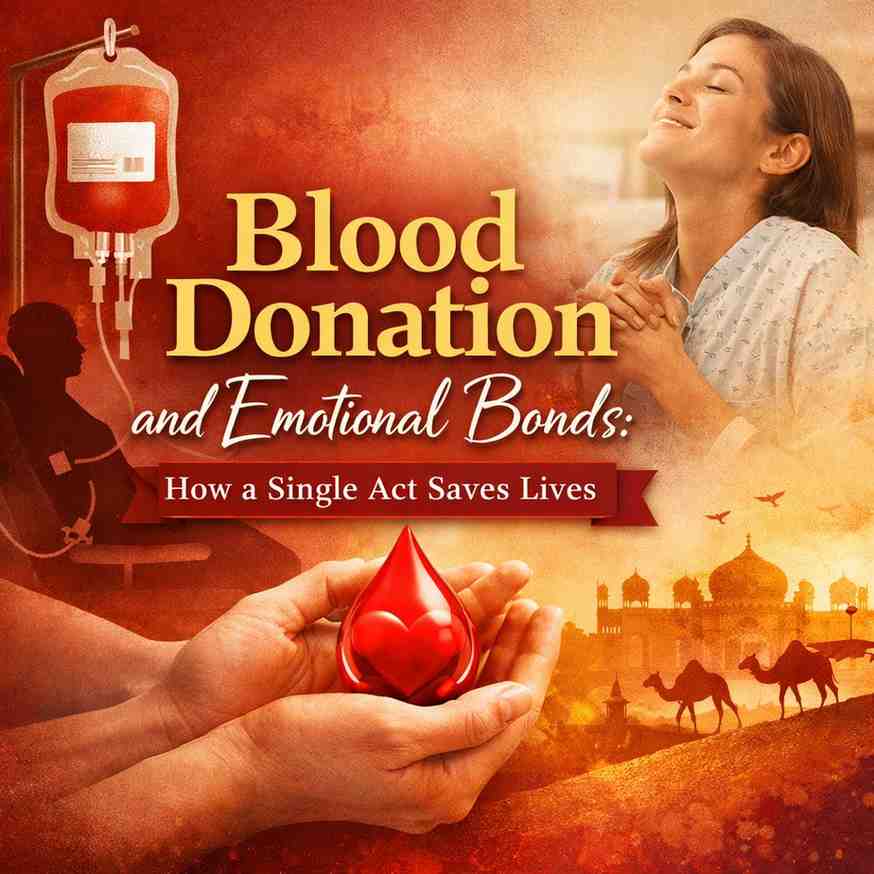
  • Blood Donation and Emotional Bonds That Words Can’t Explain

    Blood Donation and Emotional Bonds That Words Can’t Explain

    Blood donation is often discussed in medical terms—blood groups, compatibility, urgency, and units collected. But beyond hospitals and statistics lies a deeply human story. Blood donation creates emotional bonds so powerful that they often remain unspoken, yet they leave a lifelong impact on both the giver and the receiver.

    These bonds are formed not through conversations or shared memories, but through compassion, empathy, and a silent promise to save a life.

    Blood Donation: A Connection Beyond Familiar Faces

    One of the most beautiful aspects of blood donation is that it connects complete strangers. A donor may never know who received their blood, and the recipient may never meet the person who saved them. Yet, an invisible connection forms—stronger than many relationships built over years.

    This bond exists because it is selfless. There are no expectations, no personal gains. The donor gives simply because someone else needs help. That purity of intention makes blood donation a rare and powerful human connection.

    The Emotional Impact on Blood Recipients and Families

    For someone receiving blood, the experience goes far beyond physical recovery. It brings emotional relief, hope, and gratitude. Patients often feel overwhelmed knowing that a stranger willingly came forward during their most difficult moment.

    Families, too, carry this emotional weight. For them, a blood donor is not just a helper—they are a lifesaver, a silent hero who gave their loved one another chance at life. This gratitude often stays with them forever, shaping how they view humanity and kindness.

    What Blood Donation Means to the Donor

    Donors, especially first-timers, often describe blood donation as a life-changing experience. What seems like a small act turns into a moment of deep reflection and fulfillment. Knowing that a single donation could save multiple lives gives donors a sense of purpose that words can’t fully describe.

    This emotional reward is why many donors continue donating regularly. Blood donation becomes more than an action—it becomes part of their identity, rooted in empathy and responsibility toward society.

    Building Emotional Bonds Within Communities

    Blood donation also strengthens emotional connections within communities. When people donate together—friends, colleagues, students, or neighbors—it creates a shared sense of responsibility and unity. naughtyness95 nude onlyfans

    Blood donation drives become moments of collective humanity. They break social barriers, bring people together for a common cause, and remind everyone that life is fragile and valuable. These shared experiences foster trust, compassion, and a deeper emotional connection within society.

    Blood Donation in Emergencies: When Emotions Run Deep

    During emergencies such as accidents, surgeries, or childbirth complications, blood donation becomes a bridge between life and loss. In these moments, emotions are heightened, and the importance of donors becomes undeniable.

    Though donors may never witness the urgency of these situations, their quick decision to donate becomes a critical turning point in someone else’s life. This unseen emotional connection carries immense significance, even if it remains anonymous.

    Technology and the New Emotional Connection

    With the rise of blood donation apps and digital platforms, emotional bonds have found a new expression. Donors can now respond to urgent requests, see real-time needs, and feel more directly connected to the impact of their actions.

    Technology doesn’t replace the emotional bond—it strengthens it. It brings people closer, turning compassion into immediate action and creating a sense of shared responsibility across communities.

    A Bond That Lives Beyond Words

    Blood donation reminds us that some relationships are built not through words, but through actions. A single drop of blood carries hope, courage, and humanity from one person to another.

    These emotional bonds may never be spoken aloud, but they live on—in recovered patients, grateful families, and donors who know they made a difference. Blood donation proves that even in silence, the strongest connections are formed.

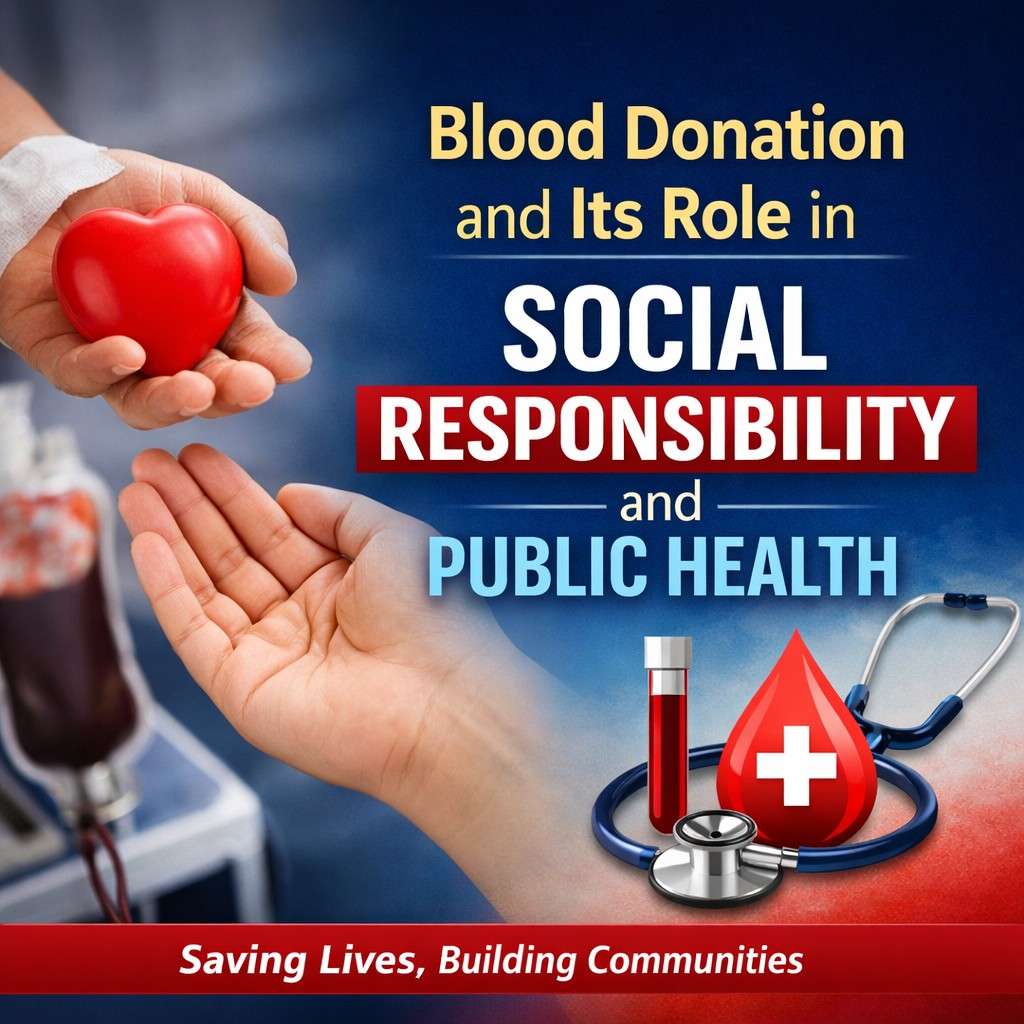
  • Blood Donation and Social Responsibility: A Relationship That Saves Lives

    Blood Donation and Social Responsibility: A Relationship That Saves Lives

    Blood donation is often seen as a medical act—something done in hospitals, blood banks, or during emergencies. But beyond the needles, forms, and medical procedures lies a deeper truth: blood donation is a powerful expression of social responsibility. It represents a silent relationship between individuals and society, one that saves lives every single day.

    Understanding Social Responsibility in Healthcare

    Social responsibility means recognizing that our actions affect others and choosing to act in ways that benefit the community. In healthcare, this responsibility becomes even more critical. Accidents, surgeries, childbirth complications, cancer treatments, and chronic illnesses constantly create a demand for blood. Unfortunately, blood cannot be manufactured—it can only come from willing donors.

    When an individual donates blood, they are not just helping one patient; they are supporting an entire healthcare system. This single act ensures hospitals remain prepared for emergencies and gives doctors the resources they need to save lives.

    Blood Donation: A Shared Duty, Not a Favor

    Many people believe blood donation is something to be done “when needed.” In reality, regular blood donation is a collective duty. Society depends on a continuous supply of safe blood, and this supply can only exist when healthy individuals step forward voluntarily.

    By donating blood, people fulfill a civic responsibility—just like following traffic rules or voting. It is a contribution that expects nothing in return but delivers immeasurable value. A single unit of blood can save up to three lives, making one donor a lifeline for multiple families.

    The Human Connection Behind Every Donation

    Blood donation creates a unique relationship between donor and recipient—often without names, faces, or meetings. A donor may never know whose life they saved, but somewhere a child recovers, a mother survives childbirth, or an accident victim gets a second chance.

    This anonymous connection strengthens the moral fabric of society. It reminds us that humanity thrives not through recognition, but through compassion. When individuals act responsibly for the greater good, communities become stronger and more resilient.

    Why Society Needs More Responsible Donors

    Despite medical advancements, blood shortages remain common, especially during festivals, natural disasters, or health crises. Fear, myths, and lack of awareness prevent many eligible people from donating.

    Social responsibility calls for breaking these barriers. Educated, healthy individuals—especially youth and working professionals—play a vital role in maintaining blood availability. When donation becomes a habit rather than a reaction to emergencies, lives are saved proactively instead of desperately.

    Technology and Community Responsibility

    Modern technology has made blood donation more accessible and organized. Blood donation apps, digital donor communities, and real-time alerts help bridge the gap between donors and patients. These platforms strengthen the relationship between social responsibility and action by making it easier for people to respond when help is needed.

    However, technology alone cannot solve the problem. It requires people who care, who understand that donating blood is not just a personal choice, but a societal obligation.

    A Simple Act with a Powerful Impact

    Blood donation does not require wealth, status, or special skills. It requires only willingness and awareness. In just 15–20 minutes, a donor can make a life-changing difference.

    Choosing to donate blood is choosing to stand with society in its most vulnerable moments. It is a reminder that progress is not only measured by innovation, but by empathy.

    Conclusion

    Blood donation and social responsibility are deeply connected. One reflects the values of the other. When individuals take responsibility for the well-being of others, lives are saved, families are protected, and communities grow stronger.

    In a world often divided by differences, blood donation proves a simple truth: humanity flows the same in all of us. And by sharing it, we fulfill one of the most meaningful responsibilities we have to society.

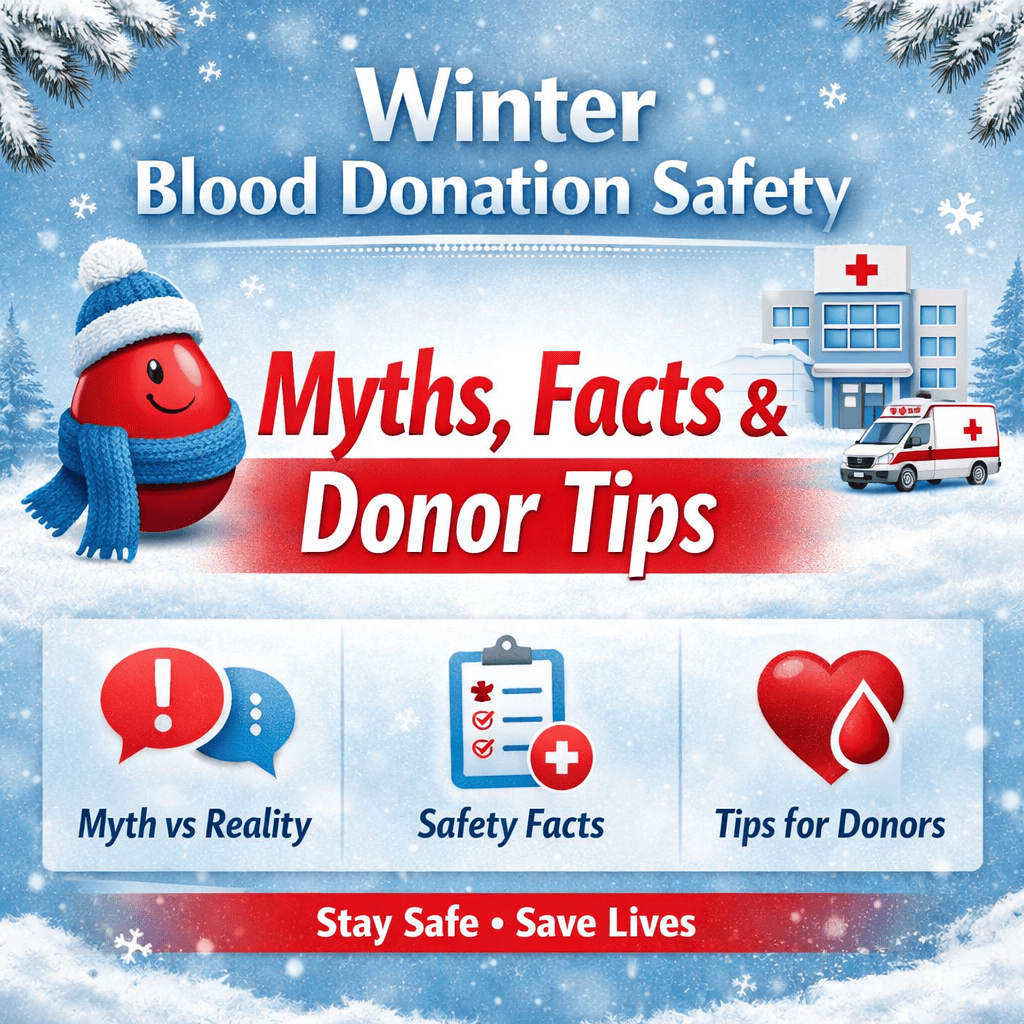
  • Is It Safe to Donate Blood in Winter? Facts You Should Know

    Is It Safe to Donate Blood in Winter? Facts You Should Know

    Winter often brings a drop in blood donations, even though the demand for blood remains constant in hospitals. Many people hesitate to donate during cold weather due to common myths about weakness, illness, or safety concerns. The truth is—blood donation is completely safe in winter if basic health guidelines are followed. In fact, donating blood during winter is more important than ever.

    Let’s clear the doubts and share the facts you should know before donating blood in winter.

    Why Blood Donation Drops in Winter

    During winter months, blood banks often face shortages. The main reasons include:

    • Cold weather reducing outdoor activities

    • Fear of catching a cold or flu

    • Misconceptions about weakness after donation

    • Fewer blood donation camps

    However, medical emergencies, surgeries, accidents, and treatments like cancer care continue year-round. This makes winter blood donation critical for saving lives.

    Is It Safe to Donate Blood in Winter?

    Yes, absolutely. Blood donation is safe in winter as long as you meet the eligibility criteria and are in good health. Cold weather does not affect the blood donation process or your body’s ability to recover.

    Blood donation centers follow strict hygiene and safety protocols throughout the year, including winter. Sterile equipment, trained professionals, and proper post-donation care ensure donor safety.

    Who Should Avoid Donating Blood in Winter?

    While winter donation is safe, you should temporarily avoid donating if:

    • You have a fever, cold, cough, or flu

    • You’re recovering from an infection

    • You feel weak or dehydrated

    Once you fully recover, you can safely donate blood again. Being honest about your health protects both you and the recipient.

    Benefits of Donating Blood in Winter

    Donating blood during winter has several benefits:

    • Helps hospitals manage seasonal blood shortages

    • Supports emergency cases caused by accidents and illnesses

    • Encourages a culture of year-round voluntary donation

    • Saves up to three lives with one donation

    Your single act can make a life-saving difference when blood supplies are low.

    How to Prepare for Blood Donation in Winter

    Proper preparation ensures a smooth and safe donation experience:

    1. Stay Warm

    Dress comfortably and keep yourself warm before and after donation to avoid chills.

    2. Eat a Healthy Meal

    Have a balanced meal rich in iron and protein. Include foods like spinach, lentils, eggs, fruits, and whole grains.

    3. Stay Hydrated

    People often drink less water in winter. Drink enough fluids before donating to prevent dizziness.

    4. Get Enough Rest

    A good night’s sleep helps your body recover faster after donation.

    What to Do After Donating Blood in Cold Weather

    Post-donation care is important, especially in winter:

    • Rest for 10–15 minutes after donation

    • Drink warm fluids if possible

    • Avoid heavy exercise for 24 hours

    • Keep the donation site clean and covered

    Most donors can resume normal activities the same day.

    Common Myths About Winter Blood Donation

    Myth: Donating blood in winter weakens immunity
    Fact: Blood donation does not reduce immunity in healthy individuals.

    Myth: You’ll fall sick after donating blood
    Fact: Properly screened donors recover quickly without health issues.

    Myth: Winter blood is not suitable for patients
    Fact: Blood quality remains the same regardless of season.

    How Blood Donation Apps Help in Winter

    Blood donation apps play a crucial role during winter by:

    • Connecting donors and patients faster

    • Sending emergency blood requests

    • Reducing response time during shortages

    • Building a reliable donor community

    With fewer camps in winter, digital platforms ensure help reaches those in need without delay.

    Final Thoughts

    Blood donation in winter is safe, necessary, and life-saving. If you’re healthy and meet the eligibility criteria, don’t let cold weather stop you from helping someone in need. Hospitals rely heavily on voluntary donors, especially during winter months.

    Your decision to donate blood today could be someone’s hope for tomorrow.

  • Blood Donation as an Act of Humanity Beyond Religion and Caste

    Blood Donation as an Act of Humanity Beyond Religion and Caste

    In moments of medical emergency, when a life hangs between hope and despair, one thing matters more than anything else—blood availability. At that critical moment, no one asks about religion, caste, language, or social status. Blood has no identity except one: it saves lives. Blood donation is one of the purest acts of humanity, standing far above divisions and differences that often separate society.

    Across cultures and communities, blood is the same. Whether it flows through the veins of a Hindu, Muslim, Sikh, Christian, or anyone else, its purpose remains unchanged—to sustain life. Yet, despite this universal truth, hesitation and misconceptions still prevent many people from donating blood. Recognizing blood donation as an act of humanity beyond religion and caste is essential to building a compassionate and responsible society.

    When Life Is at Stake, Humanity Comes First

    Accidents, childbirth complications, surgeries, cancer treatments, and chronic illnesses do not discriminate. A patient in need of blood does not get to choose who their donor will be. In emergency wards and ICUs, the only concern is finding the right blood group at the right time. In such moments, blood donors become silent heroes—people who step forward not for recognition, but to save a stranger’s life.

    Blood donation reminds us that humanity is our shared identity. A single unit of blood can save multiple lives, proving that a small act of kindness can create a powerful ripple of hope for families facing their darkest hours.

    Breaking Social Barriers Through Blood Donation

    For generations, society has been divided by caste systems, religious beliefs, and cultural differences. Blood donation challenges these barriers in the most profound way. When someone donates blood, they give a part of themselves without knowing who will receive it. That act itself becomes a symbol of equality—where every life is valued equally.

    Hospitals and blood banks do not label blood by caste or religion. They label it by type—A, B, AB, or O—because that is what truly matters. This reality offers a powerful lesson: our shared humanity is stronger than any social division.

    Compassion Without Conditions

    True humanity is expressed through unconditional compassion. Blood donation requires no emotional attachment, no personal benefit, and no expectation of return. It is selfless giving in its truest form. Many donors never meet the people whose lives they save, yet their contribution becomes a lifeline for someone they may never know.

    This unconditional act reflects the values that every faith and moral philosophy teaches—kindness, empathy, and service to others. Blood donation is one of the rare actions where these values come together in real, life-saving impact.

    Building a Culture of Unity and Responsibility

    Promoting blood donation as a humanitarian act can help foster unity in communities. When people from different backgrounds donate blood together at camps or drives, they participate in a shared mission: saving lives. This collective responsibility strengthens social bonds and builds trust across communities.

    Platforms like BloodSaathi play a crucial role in spreading awareness, connecting donors with those in need, and reminding society that helping others is a shared duty. Encouraging voluntary and regular blood donation ensures that no life is lost due to shortages or delays.

    A Call to Humanity

    Blood donation is not just a medical necessity—it is a moral responsibility. It teaches us that beyond all differences, we are connected by the same lifeline. By choosing to donate blood, we choose compassion over division, action over indifference, and humanity over hesitation.

  • Is Blood Donation Good for Skin & Health? Truth vs Myth

    Is Blood Donation Good for Skin & Health? Truth vs Myth

    Blood donation has always been considered an act of kindness, but many people also believe it brings surprising health and skin benefits. From “glowing skin” to “better heart health,” there are many claims—yet not all of them are true. So, is blood donation actually good for your skin and overall health? Let’s break down the facts vs myths.

    Understanding What Happens During Blood Donation

    When you donate blood, your body removes about 350–450 ml of blood. In response, your system immediately starts working to replace it. This triggers the production of new red blood cells, enhances oxygen circulation, and boosts overall blood flow.

    This natural regeneration is often linked to several health improvements.

    Health Benefits of Blood Donation — Backed by Facts

    1. Better Heart Health

    One of the most talked-about benefits is improved cardiovascular health.
    Regular blood donation may help in:

    • Reducing excess iron in the body

    • Lowering oxidative stress

    • Improving blood flow

    High iron levels are linked to heart issues and inflammation. Donating blood helps maintain healthy iron levels, which may reduce the risk of heart diseases over time.

    Myth Busted:
    Blood donation does not “clean your blood,” but it can help balance iron levels, which indirectly supports better heart functioning.

    2. Boosted Metabolism & Calorie Burn

    Many people don’t know this, but donating blood can burn up to 500–600 calories in a single session.
    This happens because your body uses energy to replenish lost blood.

    While blood donation is not a weight-loss method, this metabolic boost is scientifically observed.

    3. Reduced Risk of Certain Health Conditions

    Donating blood regularly is associated with:

    • Lower risk of hemochromatosis (iron overload disorder)

    • Balanced iron absorption

    • Reduced inflammation

    These benefits are especially helpful for people who naturally absorb too much iron.

    Now the Big Question: Does Blood Donation Improve Your Skin?

    The Truth: Indirectly, Yes. Directly, No.

    There is no direct scientific evidence that donating blood gives you glowing or fairer skin.
    However, the indirect effects of improved blood circulation and renewal of red blood cells may contribute to:

    • A fresher appearance

    • Better oxygen supply to the skin

    • Reduction in toxins due to improved blood flow

    When the body produces new blood cells, the improved circulation can make your skin look healthier and more radiant over time.

    Myth Busted:
    Blood donation will not “clear acne” or “remove pigmentation,” but the improved oxygenation may enhance the natural brightness of your skin.

    Skin & Health Benefits — What’s Real?

    Real Benefits

    ✔ Better blood circulation
    ✔ Improved iron balance
    ✔ Boosted metabolism
    ✔ Renewed red blood cell production
    ✔ Improved overall wellness

    Myths

    ✘ Blood donation instantly clears your skin
    ✘ Blood donation makes you fairer
    ✘ Blood donation detoxifies your body (your liver and kidneys do that)

    Is Blood Donation Safe?

    Absolutely — if you meet the eligibility criteria:

    • Minimum age: 18 years

    • Minimum weight: 50 kg

    • Hemoglobin levels within healthy range

    • No infections or major health issues

    The process is medically supervised, sterile, and safe for healthy donors.

    Most people recover fully within 24–48 hours with proper hydration and nutrition.

    Final Verdict: Is Blood Donation Good for Skin & Health?

    YES — but mostly for your overall health, not specifically for cosmetic improvements.

    Blood donation indirectly supports healthier skin through improved oxygenation and better blood flow, but the major benefits are internal:

    • Better heart health

    • Balanced iron levels

    • Boosted metabolic activity

    • Improved blood cell regeneration

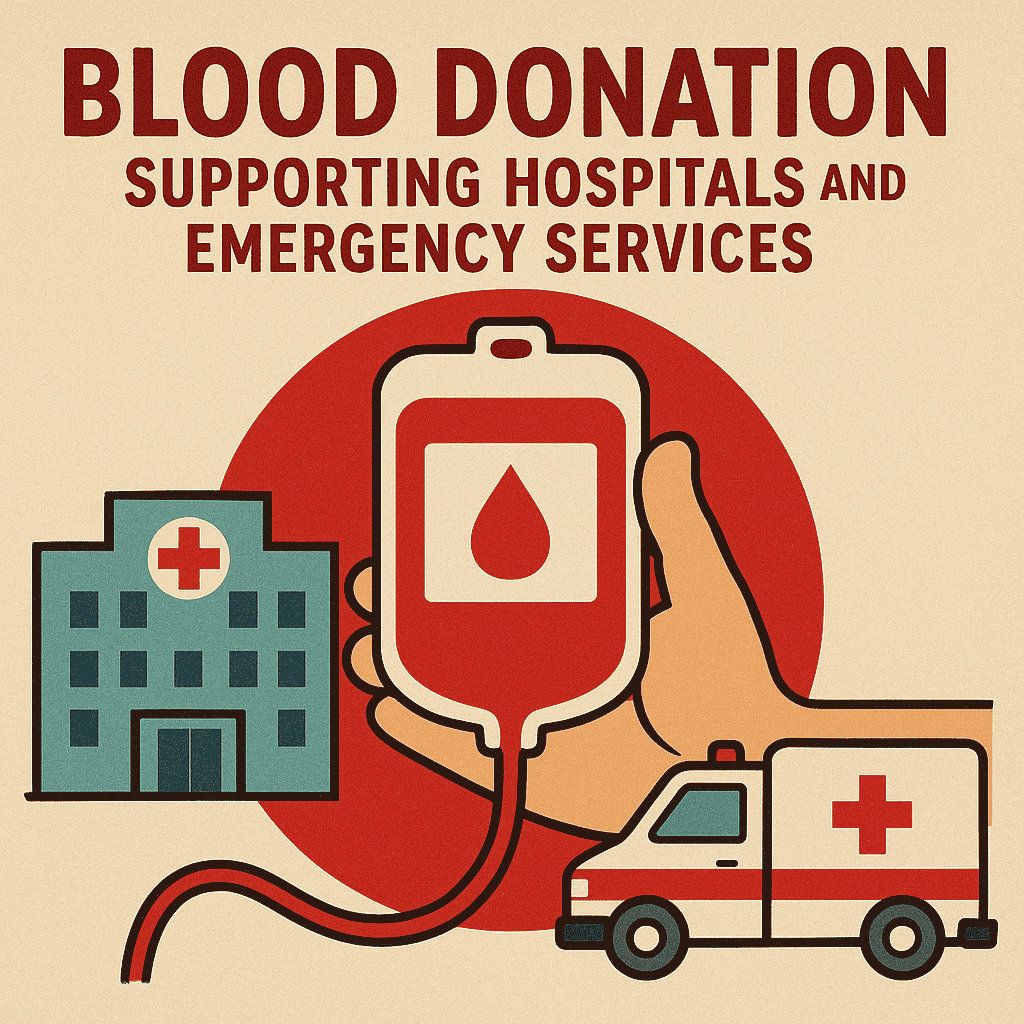
  • How Blood Donation Can Support Emergency Services and Hospitals

    How Blood Donation Can Support Emergency Services and Hospitals

    Blood donation is a simple yet powerful act that can save countless lives. Every year, millions of patients around the world depend on donated blood for survival, especially in emergency situations and hospital care. Despite its critical importance, blood shortages remain a persistent challenge. Understanding how blood donation supports emergency services and hospitals is essential for promoting awareness and encouraging more people to donate regularly.

    The Critical Role of Blood in Emergency Services

    Emergency services, including ambulance teams, trauma centers, and disaster response units, rely heavily on the availability of blood. In accidents, natural disasters, or life-threatening injuries, rapid access to blood can make the difference between life and death. Donated blood is used to replace lost blood, stabilize patients, and prevent complications like shock or organ failure.

    For instance, in road traffic accidents or severe burn cases, patients often require multiple blood transfusions within hours. Without a well-stocked blood bank, emergency medical teams cannot provide timely care, which directly impacts survival rates. Regular blood donations ensure that hospitals have the necessary reserves to respond effectively to such emergencies.

    Supporting Hospitals with Routine Medical Care

    Hospitals use donated blood not only in emergencies but also for routine medical treatments. Surgeries, cancer therapies, childbirth complications, and treatment of chronic illnesses often require blood transfusions. For example, patients undergoing major surgeries such as heart bypass or organ transplants rely on a steady supply of compatible blood.

    Blood donation also helps hospitals manage planned treatments without delays. A shortage of blood can postpone surgeries, extend hospital stays, and increase medical risks for patients. By donating blood, individuals contribute directly to the smooth functioning of healthcare facilities and improve patient outcomes.

    How Blood Donation Programs Strengthen Healthcare Systems

    Hospitals and emergency services implement structured blood donation programs to maintain adequate blood supply. Community blood drives, mobile blood donation units, and partnerships with organizations ensure a continuous inflow of donors. These programs also help maintain diverse blood types, including rare ones, which are critical for patients with unique needs.

    Moreover, regular donors allow hospitals to maintain an organized inventory system. Blood has a limited shelf life, and careful management is required to prevent wastage while ensuring availability. Consistent donations reduce the pressure on hospital staff and help maintain readiness for sudden emergencies.

    Encouraging Public Participation

    Awareness about the link between blood donation and emergency healthcare is crucial for motivating donors. Social media campaigns, community events, and educational initiatives highlight how a single donation can save up to three lives. Hospitals also encourage repeat donations, emphasizing that a steady flow of blood is essential to meet ongoing and unpredictable demands.

    Public participation in blood donation programs benefits everyone. When more people donate, hospitals and emergency services can focus on patient care rather than struggling with supply shortages. It fosters a culture of community responsibility and ensures that life-saving resources are always within reach.

    Conclusion

    Blood donation plays an indispensable role in supporting emergency services and hospitals. From trauma care to routine medical treatments, donated blood is vital for saving lives and maintaining efficient healthcare systems. By understanding its importance and participating in donation programs, individuals can contribute to a stronger, more responsive healthcare system.

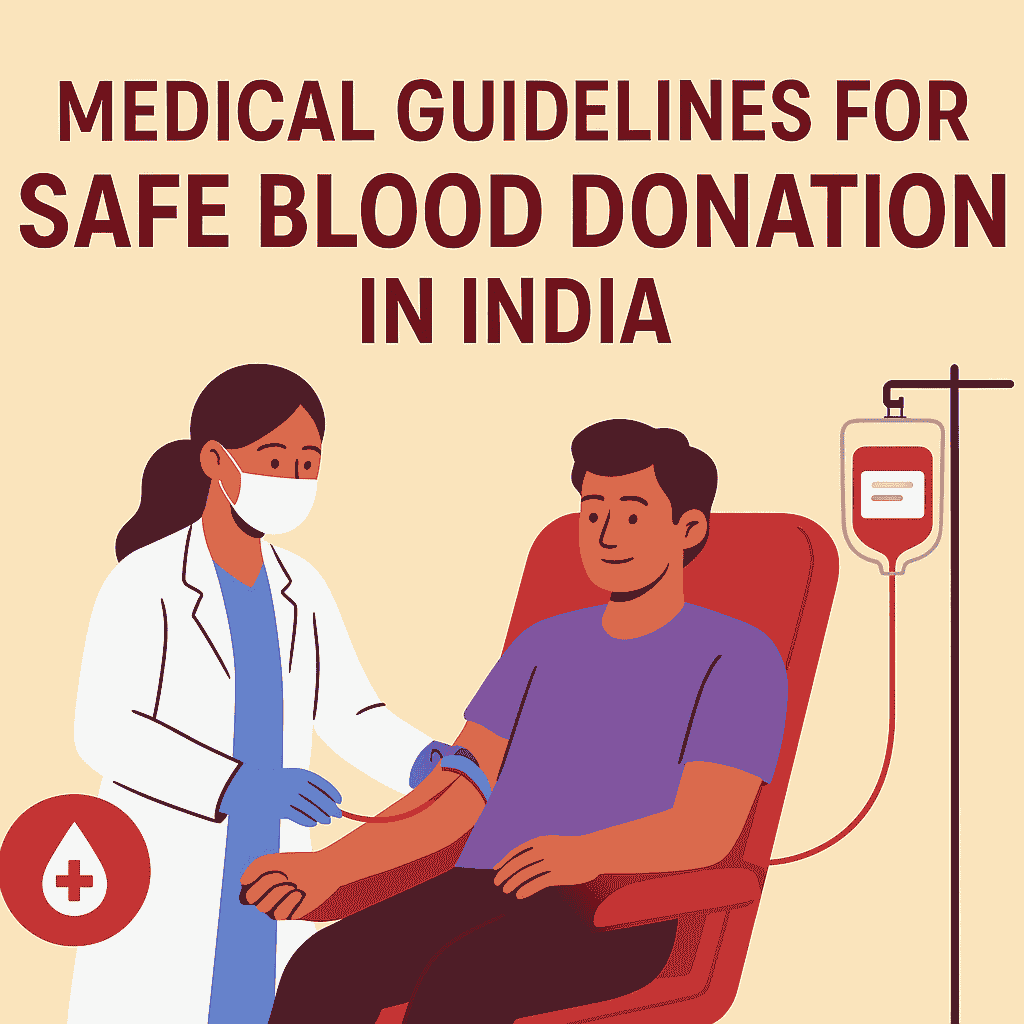
  • Medical Guidelines for Safe Blood Donation in India

    Medical Guidelines for Safe Blood Donation in India

    Blood donation is a lifesaving act that supports patients during surgeries, accidents, childbirth complications, cancer treatment, and chronic illnesses. In India, blood donation is strictly regulated to ensure the safety of both donors and recipients. Following proper medical guidelines helps maintain a safe and reliable blood supply while protecting donor health.

    This guide explains the medical guidelines for safe blood donation in India, based on recommendations followed by licensed blood banks and healthcare authorities.

    Why Medical Guidelines Matter

    Blood donation may seem simple, but it involves careful screening and medical standards. These guidelines are designed to:

    • Ensure donor safety before, during, and after donation

    • Prevent the spread of infections

    • Maintain the quality of collected blood

    • Protect patients who receive blood transfusions

    By following these rules, blood donation becomes a safe and responsible process.

    Basic Eligibility Criteria for Blood Donation in India

    To donate blood safely, donors must meet certain eligibility conditions:

    • Age: 18 to 65 years

    • Weight: Minimum 45 kg

    • Hemoglobin level: At least 12.5 g/dL

    • Pulse: Regular (60–100 beats per minute)

    • Blood pressure: Within normal range

    Individuals should be in good general health and free from acute illnesses at the time of donation.

    Medical Conditions That May Restrict Donation

    Certain health conditions can temporarily or permanently disqualify a person from donating blood. These include:

    • Fever, cold, cough, or active infection

    • Recent surgery or medical procedures

    • Pregnancy, miscarriage, or recent childbirth

    • Chronic conditions like uncontrolled diabetes or heart disease

    • History of hepatitis B or C, HIV, or other blood-borne infections

    Temporary deferrals are common and meant to protect both donor and recipient. Many people can donate again after recovery.

    Pre-Donation Medical Screening

    Before donation, every donor undergoes a basic medical check-up that includes:

    • Hemoglobin testing

    • Blood pressure and pulse check

    • Body temperature check

    • Medical history questionnaire

    This step ensures donors are fit and minimizes any health risks during donation.

    Guidelines Before Donating Blood

    To prepare for blood donation, donors should follow these medical suggestions:

    • Eat a light, healthy meal at least 2–3 hours before donation

    • Avoid alcohol for 24 hours before donation

    • Stay well-hydrated

    • Get adequate sleep the night before

    • Avoid smoking immediately before donation

    These steps help prevent dizziness or weakness after donation.

    Safe Blood Collection Process

    Blood donation in India is carried out using:

    • Sterile, single-use needles

    • Disposable blood bags

    • Trained medical staff

    The process usually takes 8–10 minutes, during which about 350–450 ml of blood is collected. Strict hygiene standards are followed to avoid any risk of infection.

    Post-Donation Care Guidelines

    After donating blood, proper care supports quick recovery:

    • Rest for 10–15 minutes at the donation site

    • Drink fluids such as water or juice

    • Avoid heavy exercise or lifting weights for 24 hours

    • Keep the bandage on for a few hours

    • Inform staff if you feel dizzy or uncomfortable

    Most donors return to normal activities the same day.

    Frequency of Blood Donation in India

    Medical guidelines recommend:

    • Men: Every 3 months (maximum 4 times a year)

    • Women: Every 4 months (maximum 3 times a year)

    This spacing allows the body to replenish blood safely.

    Importance of Voluntary Blood Donation

    Voluntary, unpaid blood donation is considered the safest source of blood. Regular, healthy donors form the backbone of India’s blood supply and help hospitals respond quickly to emergencies.

    Final Thoughts

    Blood donation in India follows strict medical guidelines to ensure safety, quality, and trust. When donors understand and follow these guidelines, they help save lives without putting their own health at risk.

    If you are healthy and eligible, donating blood is one of the simplest ways to make a meaningful difference. A single donation can save up to three lives, making you an everyday hero.

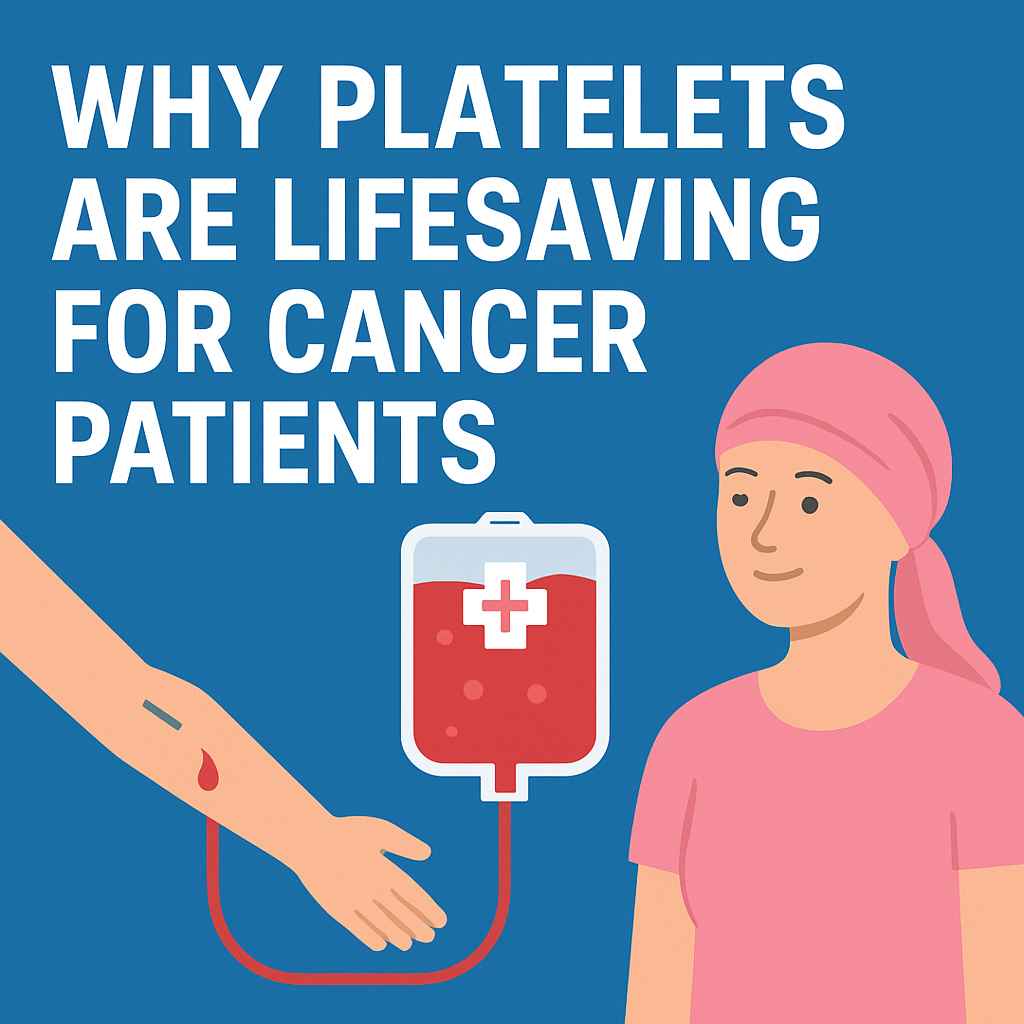
  • Platelet Donation for Cancer Patients: Why It’s Extremely Important

    Platelet Donation for Cancer Patients: Why It’s Extremely Important

    Platelet donation plays a silent yet life-saving role in cancer treatment. While most people know about blood donation, very few understand the importance of platelet donation—especially for cancer patients undergoing chemotherapy, radiation therapy, or bone marrow transplants. In reality, platelets are among the most urgently needed components in hospitals, and demand is consistently higher than supply.

    This blog explains why platelet donation is important for cancer patients, how it helps, who can donate, and why regular platelet donors are crucial for saving lives.

    What Are Platelets and Why Are They Vital?

    Platelets are tiny blood cells responsible for helping the body form clots and stop bleeding. Without enough platelets, even a minor injury can cause serious bleeding. This is why cancer patients, particularly those with blood cancers like leukemia or lymphoma, often rely on regular platelet transfusions.

    Low platelet counts—called thrombocytopenia—are extremely common during cancer treatment. Chemotherapy destroys not only cancer cells but also healthy blood-forming cells in the bone marrow. As a result, platelet levels drop to dangerously low levels, putting patients at risk of:

    • Internal bleeding

    • Prolonged bleeding from minor cuts

    • Nosebleeds and gum bleeding

    • Excessive bruising

    • Life-threatening complications

    For many patients, platelet transfusions are not optional—they are essential for survival.

    Why Platelet Donation Is Crucial for Cancer Patients

    1. Cancer Treatments Often Reduce Platelet Counts

    Most cancer therapies damage the bone marrow, which produces new blood cells. Without transfusions, platelet counts can fall so low that doctors must delay or stop treatment. Regular platelet donations help ensure patients can continue life-saving therapy on schedule.

    2. Platelets Have a Very Short Shelf Life

    Unlike whole blood, which lasts up to 35–42 days, platelets can be stored for only 5–7 days. This short shelf life means hospitals constantly need fresh platelet donations to meet daily demand. Even a temporary drop in donations can lead to shortages.

    3. Blood Cancer Patients Need Platelets Frequently

    Patients with leukemia, lymphoma, myeloma, or those undergoing bone marrow and stem cell transplants often need multiple platelet transfusions every week. One patient may require dozens of donations throughout their treatment journey.

    4. Platelet Donation Helps Prevent Life-Threatening Bleeding

    Cancer patients are highly vulnerable to internal and external bleeding. Platelet transfusions help stabilize their condition, reduce complications, and support safer recovery after treatments and surgeries.

    5. One Donation Can Help Multiple Patients

    Platelet donation is incredibly efficient. A single apheresis donation—collected using a special machine—can help three or more cancer patients, making every donor’s contribution extremely impactful.

    Who Can Donate Platelets?

    Eligibility for platelet donation is similar to blood donation but with a few differences. Most donors must:

    • Be between 18 and 60 years old

    • Weigh at least 50 kg

    • Have good vein health

    • Not have taken aspirin/NSAIDs in the past 48 hours

    • Meet standard blood donation health criteria

    Because platelets regenerate quickly, donors can donate every 7 days (up to 24 times a year), allowing them to help more patients frequently.

    Platelet Donation Process: Quick and Safe

    Platelet donation is performed through a process called apheresis, where a machine separates platelets from your blood and returns the rest to your body. The procedure typically takes 60–90 minutes, is completely safe, and causes no long-term side effects.

    Most donors return to their normal routine the same day.

    Why Platelet Donors Are Real Lifesavers

    Cancer patients depend on platelet donors daily. Without platelet transfusions, many treatments become impossible, and survival rates drop significantly. Every platelet donation helps a patient:

    • Continue treatment

    • Prevent bleeding complications

    • Recover faster

    • Stay hopeful

    Becoming a platelet donor is one of the most meaningful ways to support cancer patients.

    Final Thoughts

    Platelet donation is a life-saving act that directly supports cancer patients in their most vulnerable moments. With increasing cancer cases and short platelet shelf life, the need for regular donors is greater than ever. If you are eligible, consider becoming a platelet donor—you may give someone a chance to fight, heal, and survive.