Author: admin

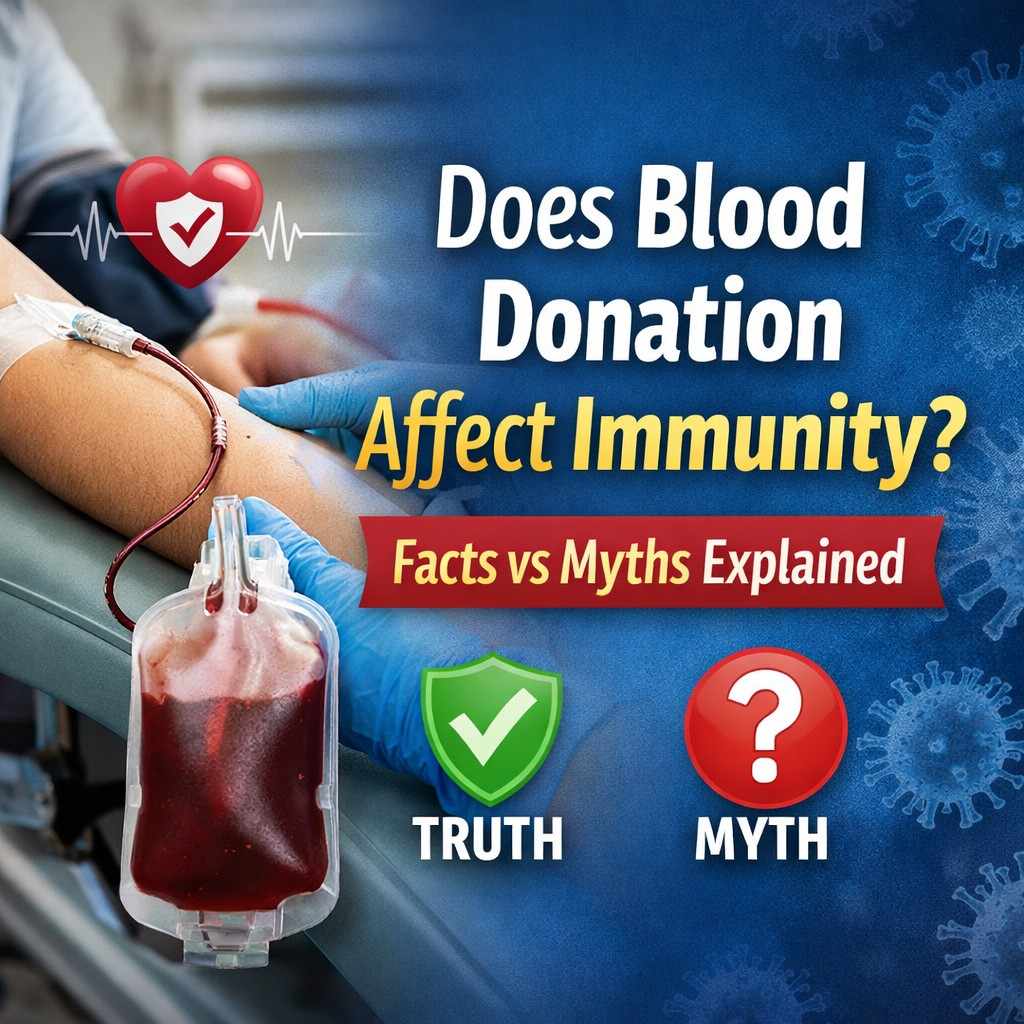
  • Blood Donation and Immunity: Truth vs Myth

    Blood Donation and Immunity: Truth vs Myth

    Blood donation is one of the simplest ways to save lives, yet many people hesitate because of common myths related to immunity and health. A frequent concern is whether donating blood weakens the immune system. Let’s separate facts from fiction and understand how blood donation truly affects immunity.

    Myth 1: Blood Donation Weakens Your Immune System

    Truth: Blood donation does not weaken your immune system.

    When you donate blood, your body quickly begins to replace the lost volume. Plasma is replenished within 24–48 hours, and red blood cells are restored within a few weeks. Your immune system remains active and functional throughout this process.

    Healthy donors are carefully screened before donation to ensure they are physically fit. This screening protects both the donor and the recipient. For healthy individuals, blood donation does not compromise immune strength.

    Myth 2: You Become More Prone to Infections After Donating Blood

    Truth: There is no scientific evidence that blood donation increases the risk of infections.

    Your body continues to produce white blood cells that fight infections even after donation. The sterile and hygienic process of blood collection ensures there is no risk of contamination during donation.

    As long as donors follow post-donation instructions such as staying hydrated, eating nutritious food, and resting briefly, their immune defenses remain stable.

    Myth 3: Frequent Blood Donation Can Harm Your Health

    Truth: Regular blood donation is safe when done within recommended intervals.

    Most health organizations allow:

    • Whole blood donation every 3 months for men

    • Every 4 months for women (depending on health guidelines)

    These intervals give the body enough time to recover and regenerate blood components. Many regular donors report feeling healthy and energetic when they maintain a balanced diet and hydration.

    Myth 4: Blood Donation Causes Long-Term Weakness

    Truth: Temporary tiredness is normal, but long-term weakness is not.

    Some donors may feel light-headed or tired for a few hours after donation. This is temporary and usually caused by mild dehydration or low blood volume. Proper hydration and rest help the body recover quickly.

    Long-term weakness is extremely rare and usually linked to poor nutrition or ignoring recovery advice—not the act of donation itself.

    How Blood Donation Can Positively Impact Health

    While blood donation is mainly about helping others, it also offers health benefits:

    1. Stimulates Blood Cell Production

    After donation, the body increases the production of new red blood cells. This process helps maintain healthy circulation and oxygen delivery.

    2. Supports Heart Health

    Some studies suggest that regular blood donation may help maintain balanced iron levels, which can support cardiovascular health.

    3. Encourages Health Monitoring

    Before donating, donors undergo basic health checks like hemoglobin levels, blood pressure, and pulse rate. This can help identify potential health concerns early.

    Does Blood Donation Improve Immunity?

    Blood donation does not directly boost immunity like a vaccine does, but it does not reduce immune strength either. A healthy lifestyle combined with regular donation can support overall wellness.

    To maintain strong immunity after donation:

    • Drink plenty of fluids

    • Eat iron-rich foods (spinach, beans, dates, red meat)

    • Include vitamin C for better iron absorption

    • Get enough sleep

    • Avoid heavy exercise for 24 hours

    Who Should Avoid Donating Blood Temporarily?

    Some people should postpone donation to protect their health, including:

    • Those with fever or active infections

    • People recovering from surgery

    • Individuals with low hemoglobin levels

    • Pregnant women

    • Recently vaccinated individuals (depending on vaccine type)

    These precautions ensure donor safety and blood quality.

    Final Thoughts

    Blood donation is safe, well-regulated, and does not weaken immunity. The myths surrounding immune health often prevent willing donors from taking action. In reality, healthy individuals can donate blood without fear and continue living active, energetic lives.

    By donating blood, you are not only saving lives but also contributing to a healthier community. Understanding the truth helps break fear barriers and encourages more people to step forward as regular donors.
  • How Hospitals Forecast Blood Demand: Complete Guide

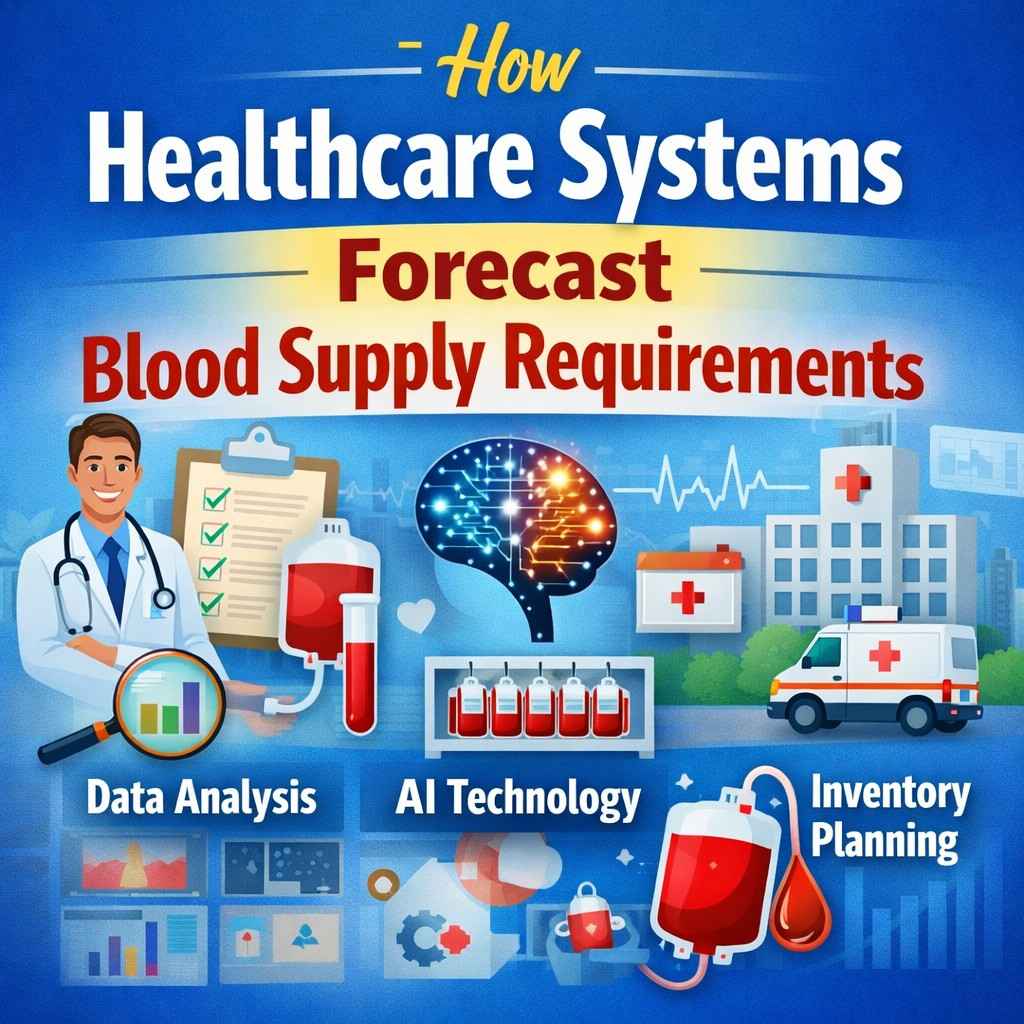
    How Hospitals Forecast Blood Demand: Complete Guide

    Blood is a critical medical resource that cannot be manufactured artificially. Hospitals must carefully plan and manage blood supply to ensure that lifesaving transfusions are available when needed. Accurate blood demand forecasting helps hospitals prevent shortages, reduce wastage, and improve patient outcomes. In this guide, we’ll explore how hospitals forecast blood demand and why this process is essential for modern healthcare systems.

    Why Blood Demand Forecasting Is Important

    Hospitals handle a wide variety of medical cases every day, including surgeries, trauma emergencies, childbirth complications, cancer treatments, and chronic illnesses. Each of these situations may require different blood components such as red blood cells, plasma, or platelets.

    Forecasting blood demand helps hospitals:

    • Maintain adequate blood stock levels

    • Reduce expired blood wastage

    • Prepare for emergencies and disasters

    • Improve patient care and response time

    • Optimize blood bank operations

    Without proper forecasting, hospitals risk facing critical shortages or excessive inventory that leads to waste.

    Key Factors Hospitals Consider While Forecasting Blood Demand

    1. Historical Blood Usage Data

    Hospitals analyze past blood consumption patterns to understand trends. This includes daily, weekly, and seasonal usage. For example, certain months may see higher accident rates or increased surgical procedures, which raises blood demand.

    2. Scheduled Surgeries and Procedures

    Elective and planned surgeries are a major factor in blood forecasting. Hospitals review upcoming surgical schedules to estimate how many blood units may be required. Complex surgeries such as cardiac or orthopedic procedures often need more transfusions.

    3. Emergency and Trauma Cases

    Although emergencies are unpredictable, hospitals use historical trauma data to estimate average emergency blood requirements. This allows them to maintain buffer stock for unexpected situations.

    4. Patient Demographics and Disease Trends

    Hospitals also consider the number of patients with conditions like anemia, cancer, kidney disease, and pregnancy-related complications. These patients frequently require blood transfusions, influencing demand forecasts.

    5. Seasonal and Local Events

    Seasonal factors such as monsoons, festivals, or accident-prone periods can increase hospital admissions. Hospitals adjust their blood stock planning based on such patterns.

    Role of Technology in Blood Demand Forecasting

    Modern hospitals increasingly rely on digital tools and software to improve forecasting accuracy.

    Hospital Information Systems (HIS)

    Integrated hospital systems track patient data, surgical schedules, and blood usage. This real-time data helps administrators make informed decisions about inventory levels.

    Data Analytics and Predictive Models

    Advanced data analytics tools use algorithms to analyze large datasets and predict future blood requirements. These models can identify patterns that manual forecasting might miss.

    AI and Machine Learning

    Some healthcare institutions use artificial intelligence to predict blood demand based on multiple variables such as patient inflow, disease trends, and emergency history. AI-powered systems improve accuracy and reduce human error.

    How Hospitals Manage Blood Inventory Based on Forecasts

    Once hospitals forecast blood demand, they implement inventory management strategies to ensure efficiency.

    • Maintaining minimum and maximum stock levels

    • Rotating blood stock to prevent expiration

    • Coordinating with nearby blood banks and donation centers

    • Organizing blood donation camps during shortage periods

    • Monitoring daily usage and adjusting forecasts

    These practices help hospitals maintain a steady supply without unnecessary waste.

    Challenges in Blood Demand Forecasting

    Despite technological advancements, forecasting blood demand remains complex. Some common challenges include:

    • Sudden emergencies or disasters

    • Fluctuating donor availability

    • Limited shelf life of blood products

    • Inaccurate data collection

    • Unexpected disease outbreaks

    Hospitals must remain flexible and continuously update their forecasting strategies to overcome these challenges.

    Future of Blood Demand Forecasting

    The future of blood demand forecasting lies in automation and smart healthcare systems. Cloud-based platforms, real-time data sharing between hospitals and blood banks, and AI-powered analytics will further improve prediction accuracy. These innovations will help healthcare providers respond faster to emergencies and save more lives.

    Conclusion

    Blood demand forecasting is a vital part of hospital operations. By analyzing historical data, leveraging technology, and maintaining efficient inventory systems, hospitals can ensure the availability of safe blood for patients in need. As healthcare continues to evolve, smarter forecasting methods will play an even greater role in strengthening blood supply management and improving patient care outcomes.

  • Why Blood Donation Is Important for Public Health Systems

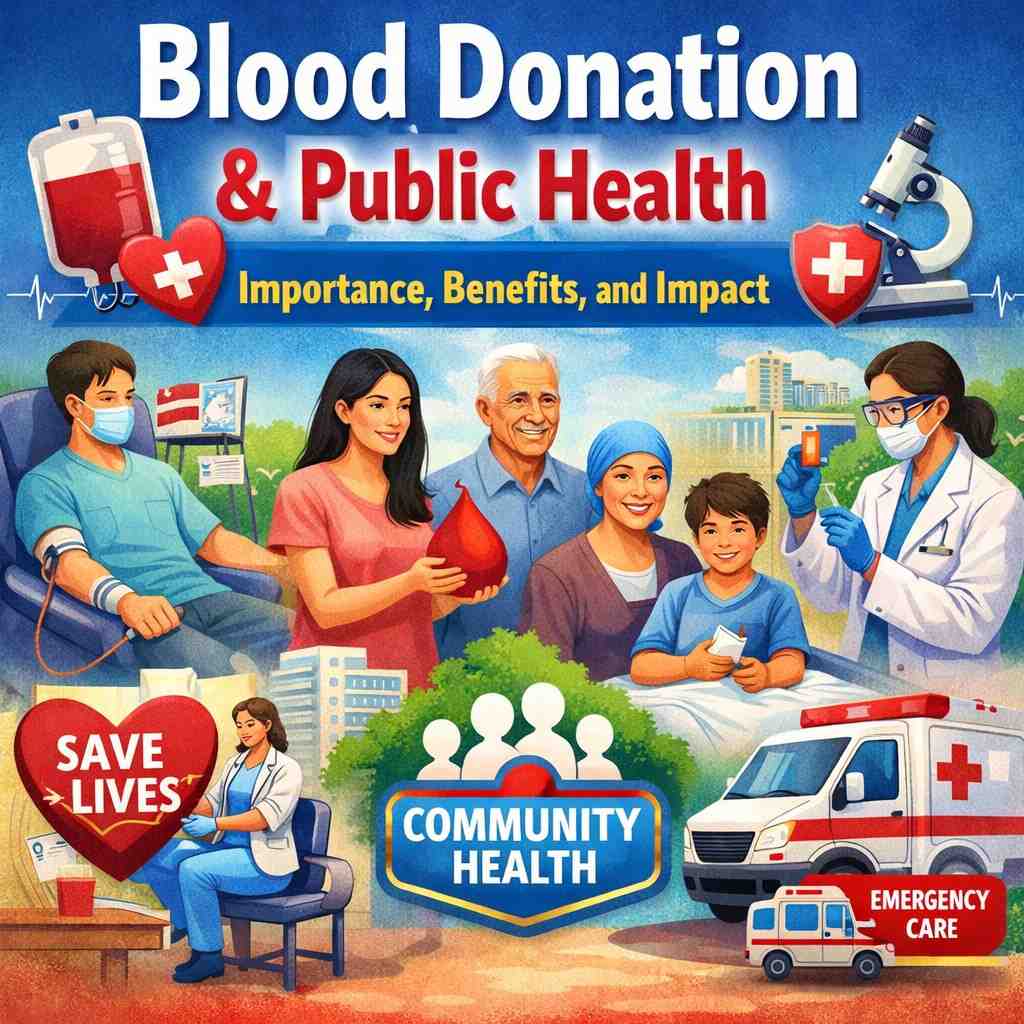
    Why Blood Donation Is Important for Public Health Systems

    Blood donation plays a vital role in strengthening public health systems across the world. Hospitals, emergency services, and healthcare providers rely heavily on donated blood to save lives and deliver timely treatment. Without a steady supply of blood, even the most advanced medical systems would struggle to function effectively.

    This article explains why blood donation is essential for public health and how it supports healthcare infrastructure, emergency care, and patient survival.

    1. Ensures Life-Saving Emergency Care

    One of the most critical roles of blood donation is supporting emergency medical situations. Road accidents, natural disasters, childbirth complications, and surgeries often require immediate blood transfusions. In such cases, delays in blood availability can mean the difference between life and death.

    Public health systems depend on a stable blood supply to respond quickly to emergencies and provide immediate treatment when every second counts.

    2. Supports Routine Medical Treatments

    Blood is not only needed during emergencies. Many patients depend on regular transfusions for ongoing treatment. This includes people undergoing chemotherapy, individuals with blood disorders like thalassemia, and patients recovering from major surgeries.

    Without voluntary blood donors, hospitals would face shortages that could delay essential treatments. A reliable donor base helps public healthcare facilities operate smoothly and maintain quality patient care.

    3. Strengthens Healthcare Infrastructure

    A strong blood donation system improves the overall healthcare infrastructure. Blood banks, storage facilities, and testing laboratories work together to ensure blood safety and availability.

    When public participation in blood donation increases, health systems can better plan inventory, reduce wastage, and manage distribution efficiently. This results in improved service delivery and reduced pressure on hospitals.

    4. Improves Disaster Preparedness

    Natural disasters, pandemics, and large-scale emergencies place enormous pressure on public health systems. During such times, the demand for blood rises sharply.

    Regular blood donation helps build reserves that can be used during crises. Prepared blood banks allow healthcare authorities to respond faster and save more lives when unexpected situations occur.

    5. Promotes Community Health Awareness

    Blood donation campaigns help spread awareness about health, hygiene, and preventive care. Many donation centers conduct basic health screenings such as blood pressure checks, hemoglobin tests, and infectious disease screening.

    These programs encourage people to become more health-conscious and contribute to early detection of medical conditions, benefiting both individuals and society.

    6. Encourages Voluntary and Ethical Healthcare Practices

    Public health systems rely on voluntary blood donors rather than paid donations. Voluntary donation ensures a safer blood supply and promotes ethical healthcare practices.

    When people donate blood without financial motivation, the risk of unsafe donations decreases. This helps maintain high safety standards and protects patients from transfusion-related infections.

    7. Reduces Healthcare Inequality

    Blood donation supports equal access to healthcare. Government hospitals and public blood banks provide blood to patients regardless of their financial status.

    This ensures that life-saving treatment is not limited to those who can afford private healthcare. Blood donation helps create a fair and inclusive healthcare system that serves all sections of society.

    8. Builds a Culture of Social Responsibility

    Blood donation encourages civic responsibility and compassion. When citizens actively participate, it creates a strong sense of community support.

    A culture of regular blood donation strengthens public health systems by turning healthcare into a shared responsibility between governments and citizens.

    Conclusion

    Blood donation is not just an act of kindness — it is a critical pillar of public health systems. It ensures emergency readiness, supports routine medical care, strengthens healthcare infrastructure, and promotes ethical medical practices.

    By donating blood regularly, individuals contribute directly to saving lives and improving the quality of healthcare services. A strong public health system begins with community participation, and blood donation is one of the simplest yet most powerful ways to make a real difference.

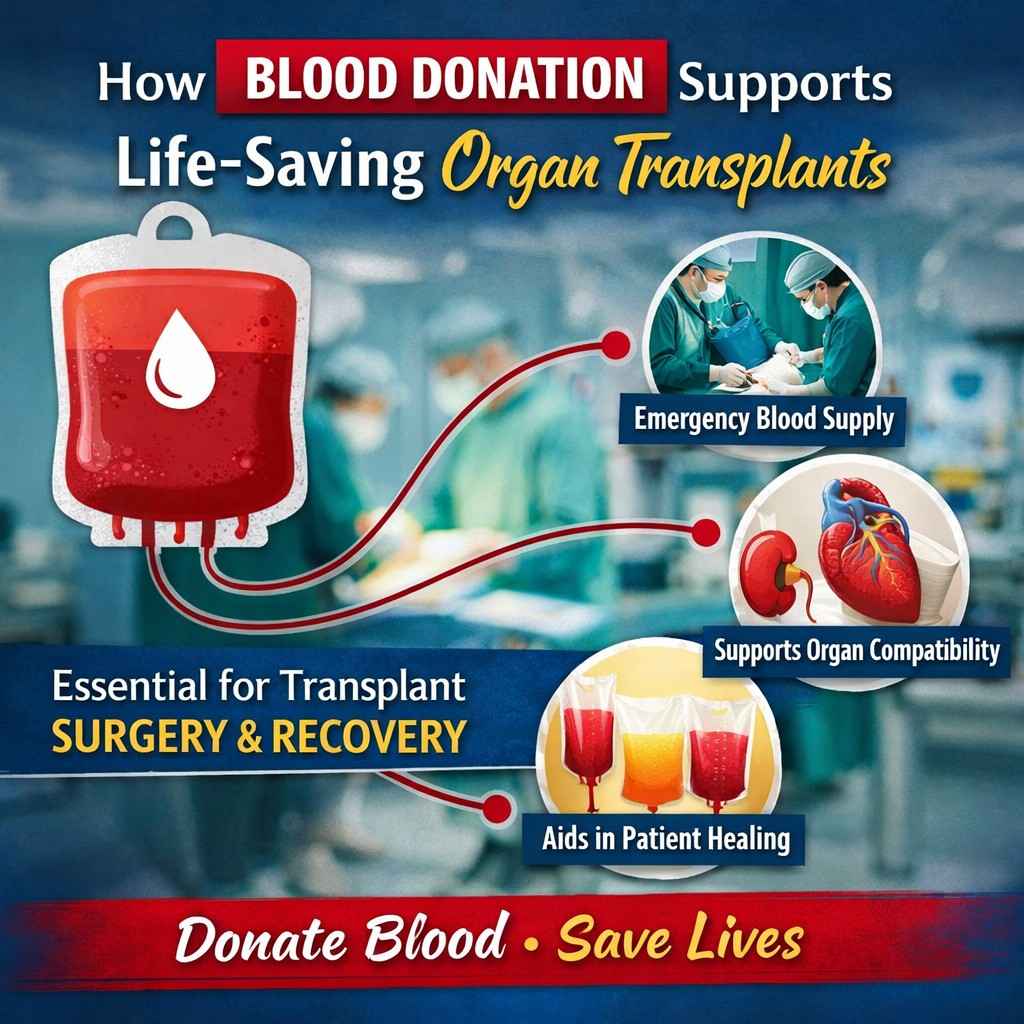
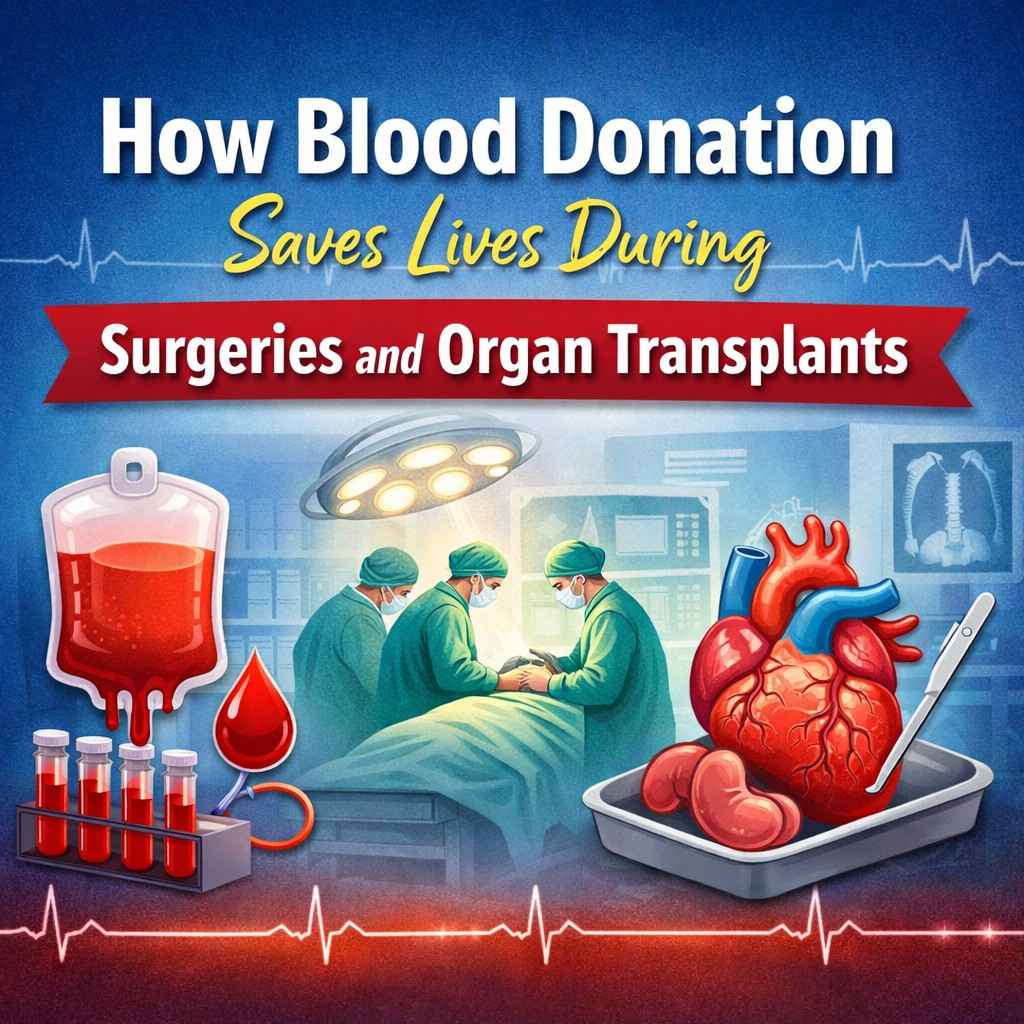
  • Importance of Blood Donation in Organ Transplant Procedures

    Importance of Blood Donation in Organ Transplant Procedures

    Organ transplantation is one of the most complex and life-saving medical procedures in modern healthcare. From kidney and liver transplants to heart and lung transplants, these surgeries offer a second chance at life for patients with end-stage organ failure. However, one critical factor that makes successful organ transplants possible is the availability of safe and timely blood donation.

    Blood donation plays a vital role at every stage of an organ transplant procedure—from pre-surgery preparation to post-operative recovery. Without an adequate blood supply, even the most advanced transplant surgeries cannot be performed safely.

    Why Blood Is Essential During Organ Transplants

    Organ transplant surgeries are major and high-risk procedures that often involve significant blood loss. Patients undergoing transplants may require:

    • Red blood cells to maintain oxygen supply

    • Plasma to support clotting and fluid balance

    • Platelets to prevent excessive bleeding

    In many cases, multiple units of blood and blood components are needed during a single transplant surgery. A shortage of blood can lead to delays or even cancellation of life-saving transplant procedures.

    Blood Transfusion Before Transplant Surgery

    Before an organ transplant, patients undergo extensive medical evaluations. Many transplant patients suffer from chronic illnesses such as liver disease, kidney failure, or heart conditions, which can cause anemia or low blood counts.

    Blood transfusions before surgery help:

    • Stabilize hemoglobin levels

    • Improve oxygen delivery to vital organs

    • Prepare the patient’s body for major surgery

    This preparation significantly increases the chances of a successful transplant.

    Role of Blood Donation During Surgery

    During transplant surgery, unexpected blood loss can occur due to the complexity of the procedure. Immediate access to compatible blood is critical to:

    • Maintain blood pressure

    • Prevent shock

    • Ensure continuous oxygen supply to tissues

    For this reason, hospitals performing transplant surgeries rely heavily on blood banks that are well-stocked through regular voluntary blood donation.

    Post-Transplant Recovery and Blood Support

    The importance of blood donation does not end once the surgery is complete. After transplantation, patients may require additional blood transfusions due to:

    • Post-surgical bleeding

    • Low blood cell production

    • Immune suppression therapies

    Blood components such as platelets and plasma are often needed to support healing and prevent complications during recovery.

    Importance of Blood Compatibility in Transplants

    Just like organ compatibility, blood group matching is crucial in transplant procedures. Incompatible blood transfusions can lead to severe reactions and complications. Blood banks play a key role in:

    • Providing blood that matches the patient’s blood group

    • Ensuring screened and safe blood components

    • Maintaining rare blood groups for critical cases

    This highlights the importance of a diverse donor base, as rare blood groups are often required in complex transplant cases.

    How Blood Donation Supports Multiple Transplant Patients

    One unit of donated blood can be separated into components such as red blood cells, plasma, and platelets. This means a single blood donation can help multiple transplant patients at different stages of treatment.

    Regular blood donation ensures:

    • Reduced surgery delays

    • Better transplant success rates

    • Improved patient survival outcomes

    The Role of Voluntary Blood Donors

    Voluntary blood donors are the backbone of transplant healthcare systems. Unlike replacement donations, voluntary donations ensure a safer, more reliable blood supply that is available when emergencies arise.

    Encouraging regular voluntary blood donation helps hospitals:

    • Maintain adequate blood reserves

    • Handle emergency transplant cases

    • Save more lives through timely interventions

    Conclusion

    Organ transplantation is a life-saving medical achievement, but its success depends heavily on the availability of safe blood. From pre-surgical preparation to recovery, blood donation plays an indispensable role in ensuring smooth and successful transplant procedures.

    By donating blood regularly, individuals contribute directly to saving the lives of organ transplant patients. Blood donation is not just an act of kindness—it is a critical support system that makes modern transplant medicine possible.

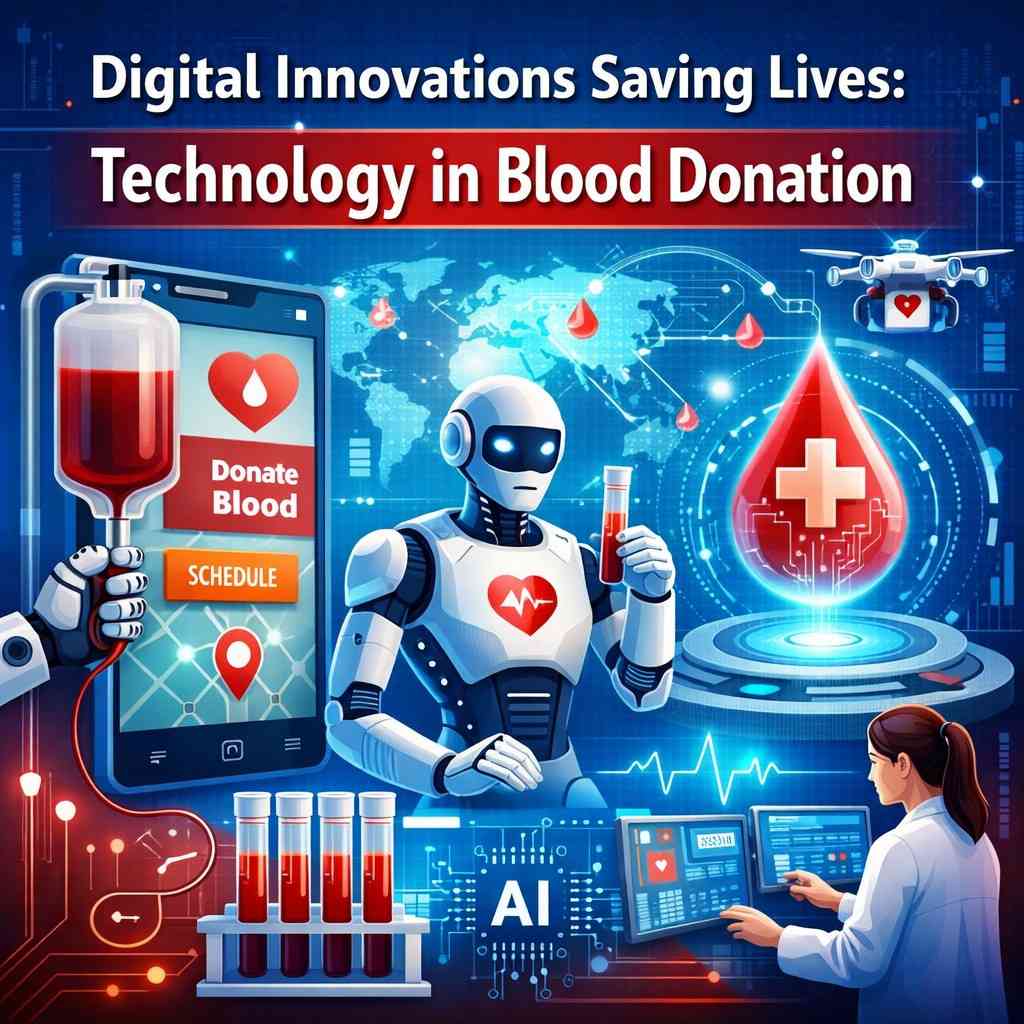
  • How Technology Is Improving Blood Donation Services

    How Technology Is Improving Blood Donation Services

    Blood donation is a vital part of healthcare, saving millions of lives every year. However, challenges such as blood shortages, inefficient donation tracking, and poor donor engagement have long hindered the effectiveness of blood donation services. Today, technology is transforming the way blood donation is managed, making the process faster, safer, and more efficient for both donors and healthcare providers.

    Digital Platforms for Donor Registration and Awareness

    One of the most significant improvements in blood donation services comes from digital platforms. Online registration portals and mobile apps allow donors to sign up conveniently, schedule appointments, and receive reminders about upcoming blood donation drives. This technology not only simplifies the process but also encourages regular donations by keeping donors informed and engaged.

    Mobile apps like Bloodsaathi connect donors with nearby blood banks, provide real-time information about blood availability, and even allow emergency requests to be sent directly to registered donors. By creating a connected ecosystem, technology ensures that life-saving blood reaches patients when and where it is needed most.

    Enhanced Blood Inventory Management

    Managing blood supplies efficiently is a critical challenge for blood banks. Traditional systems often rely on manual tracking, which can lead to shortages or wastage due to expired units. Advanced software solutions now allow blood banks to track inventory in real time, monitor blood types, and predict demand patterns based on historical data.

    Artificial intelligence (AI) and predictive analytics play a key role in forecasting blood requirements, especially for emergencies or large-scale events. By knowing which blood types are most needed, blood banks can prioritize collection efforts and reduce wastage, ensuring a steady supply for hospitals and clinics.

    Improved Safety and Screening

    Safety is a top priority in blood donation, both for donors and recipients. Modern technology has revolutionized blood testing and screening processes. Automated testing equipment ensures that donated blood is screened quickly and accurately for infectious diseases, reducing the risk of transfusion-transmitted infections.

    In addition, digital health records help track donor eligibility, previous donations, and any potential health issues. This ensures that donors are safe to give blood, while patients receive blood that meets the highest safety standards.

    Remote and Contactless Solutions

    The COVID-19 pandemic highlighted the need for contactless and remote solutions in healthcare. Virtual registration, QR code-based check-ins, and mobile alerts have made it possible for donors to participate in blood drives safely. Telemedicine platforms also allow donors to consult healthcare professionals online before donating blood, improving overall donor experience and safety.

    Engaging Donors with Technology

    Technology also plays a key role in motivating donors. Gamification features in apps, such as badges, milestones, and social sharing, encourage repeat donations. Personalized notifications and health tips can remind donors about when to donate again and educate them on the impact of their contribution. Social media integration allows donors to share their experiences, inspiring others to participate in blood donation campaigns. Kinkycouple365 sexy

    The Future of Blood Donation Technology

    Looking ahead, technology will continue to enhance blood donation services. Innovations such as blockchain-based systems for secure donor data management, AI-powered matching of blood units to recipients, and mobile blood donation vehicles equipped with advanced tracking systems are set to revolutionize the field further.

    By leveraging these technological advancements, blood donation services can become more efficient, transparent, and donor-friendly, ultimately saving more lives.

    Conclusion

    Technology has transformed blood donation from a largely manual process into a highly organized and efficient system. From mobile apps and digital tracking to AI-driven inventory management and enhanced safety measures, innovation is helping blood banks meet the ever-growing demand for blood. For donors, technology makes participation easier and more rewarding, ensuring that the gift of life reaches those who need it most.

  • How Blood Components Save Different Types of Patients

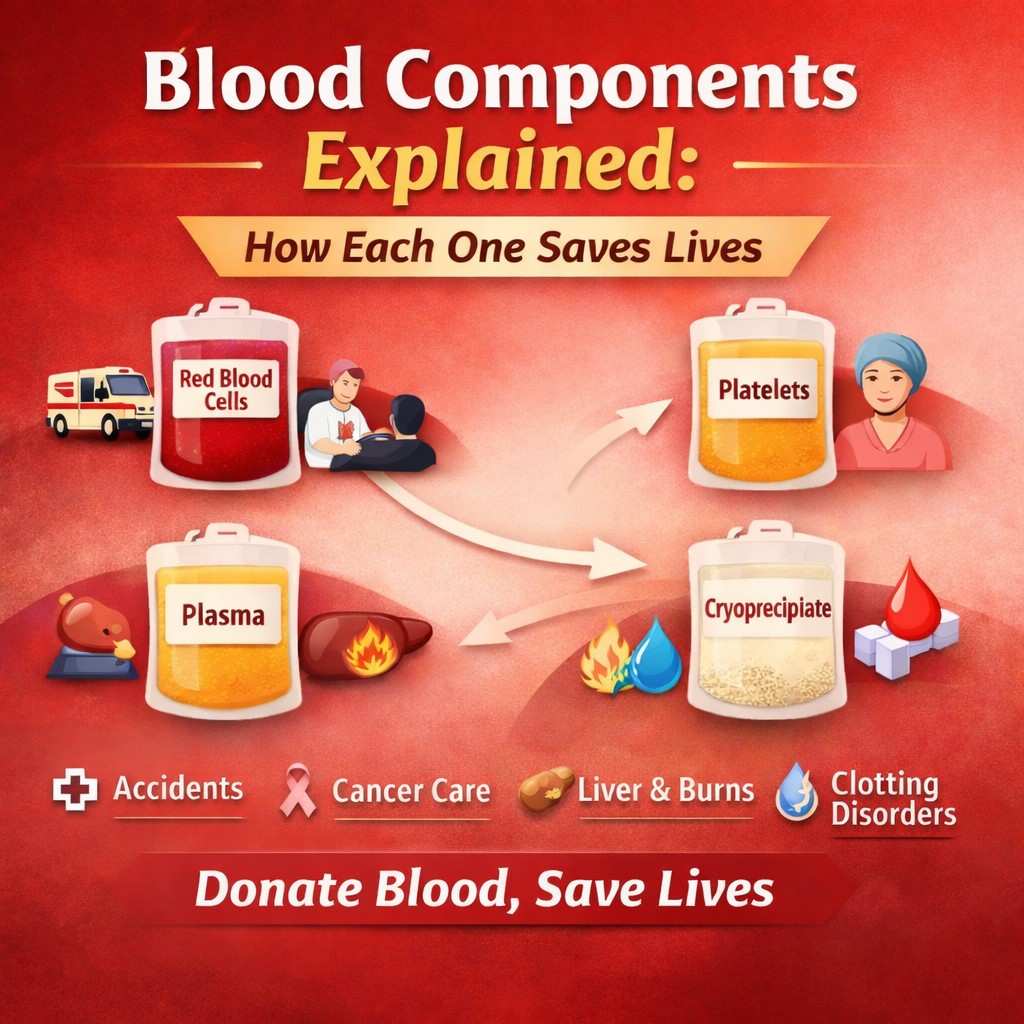
    How Blood Components Save Different Types of Patients

    Blood donation is often described as a life-saving act, but many people don’t realize how donated blood is actually used. In modern medicine, blood is rarely given as whole blood. Instead, it is separated into different components, and each component is used to treat specific medical conditions. This process allows one blood donation to help multiple patients, making blood donation even more powerful.

    Let’s understand how blood components save different types of patients.

    What Are Blood Components?

    After donation, blood is separated into four main components:

    • Red Blood Cells (RBCs)

    • Platelets

    • Plasma

    • Cryoprecipitate (a plasma-derived component)

    Each component has a unique role in the body and is used for different medical needs.

    Red Blood Cells (RBCs): Saving Patients with Blood Loss and Anemia

    Red blood cells carry oxygen from the lungs to the rest of the body. When a person loses a lot of blood or has low hemoglobin, RBC transfusions become critical.

    Patients who benefit from RBCs include:

    • Accident and trauma victims

    • Patients undergoing major surgeries

    • People with severe anemia

    • Cancer patients receiving chemotherapy

    • Mothers with heavy blood loss during childbirth

    Without enough red blood cells, organs don’t get sufficient oxygen, which can be life-threatening. RBC transfusions help restore oxygen levels and stabilize patients quickly.

    Platelets: Lifesavers for Cancer and Critical Care Patients

    Platelets help blood clot and prevent excessive bleeding. Unlike other blood components, platelets have a very short shelf life (5–7 days), which makes regular donation extremely important.

    Platelets are essential for:

    • Cancer patients undergoing chemotherapy

    • Leukemia patients

    • Patients with dengue or viral infections

    • Organ transplant patients

    • People with severe bleeding disorders

    In conditions like dengue or chemotherapy-induced thrombocytopenia, platelet counts drop dangerously low. Platelet transfusions help control bleeding and save lives.

    Plasma: Supporting Emergency and Liver Patients

    Plasma is the liquid part of blood and contains proteins, clotting factors, and antibodies. It plays a key role in maintaining blood pressure and helping blood clot properly.

    Plasma is used for patients with:

    • Severe burns

    • Liver diseases

    • Massive blood loss due to trauma

    • Blood clotting disorders

    • Shock and critical illness

    In emergency situations, plasma helps stabilize patients by restoring blood volume and clotting ability.

    Cryoprecipitate: Helping Patients with Clotting Disorders

    Cryoprecipitate is a concentrated form of plasma rich in clotting factors such as fibrinogen.

    It is mainly used for:

    • Patients with hemophilia

    • Severe bleeding due to low fibrinogen levels

    • Certain complications during childbirth

    • Liver-related clotting problems

    Although used in smaller quantities, cryoprecipitate is vital for managing severe bleeding disorders.

    One Donation, Multiple Lives Saved

    Because blood is separated into components, one unit of donated blood can save up to three lives. For example:

    • Red blood cells can help an accident victim

    • Platelets can save a cancer patient

    • Plasma can support a burn or liver patient

    This efficient use of donated blood ensures that every donation has maximum impact.

    Why Regular Blood Donation Is Important

    Different patients need different blood components every day. Platelets expire quickly, plasma demand increases during emergencies, and RBCs are always needed for surgeries and anemia patients. Regular blood donation ensures a steady supply for hospitals and blood banks.

    Conclusion

    Blood donation is not just about giving blood—it’s about giving life in multiple ways. Each blood component plays a critical role in saving patients with different medical conditions. By donating blood, you become a silent hero for accident victims, cancer patients, newborns, and many others.

    Your single donation can make a life-changing difference. Donate blood. Save lives.

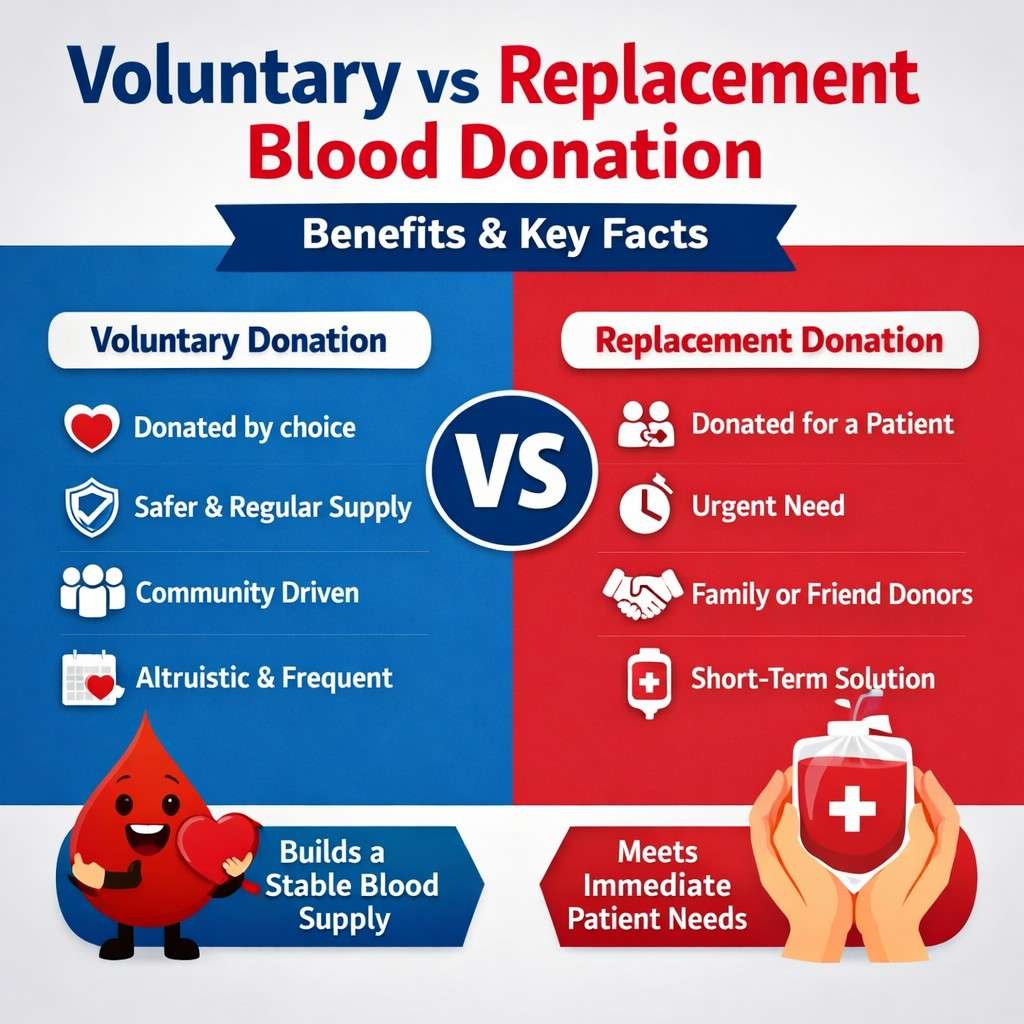
  • Voluntary vs Replacement Blood Donation: Key Differences

    Voluntary vs Replacement Blood Donation: Key Differences

    Blood donation is a vital part of healthcare, saving countless lives every day. However, not all blood donations are the same. Two of the most common types are voluntary blood donation and replacement blood donation. Understanding the differences between these two types is essential for donors, recipients, and healthcare providers to ensure a safe and reliable blood supply.

    What Is Voluntary Blood Donation?

    Voluntary blood donation refers to the practice of donating blood willingly, without any external pressure or expectation of compensation. These donors contribute purely to help others, often through organized blood donation camps, hospitals, or blood banks.

    Key Features of Voluntary Blood Donation:

    • Unpaid: Donors give blood purely out of altruism.

    • Regular Contribution: Many voluntary donors donate blood multiple times a year.

    • Safe Supply: Blood from voluntary donors is considered safer because donors are typically healthy and undergo proper screening.

    • Community Focused: Encourages awareness about the importance of blood donation and fosters a culture of helping others.

    Voluntary blood donation is highly encouraged worldwide because it creates a reliable and sustainable blood supply. The World Health Organization (WHO) recommends that all countries aim for 100% voluntary, non-remunerated blood donation to ensure safety and sufficiency.

    What Is Replacement Blood Donation?

    Replacement blood donation occurs when a patient’s family member, friend, or acquaintance donates blood to replace the units used for a specific patient. This type of donation is common in hospitals where patients require immediate transfusions.

    Key Features of Replacement Blood Donation:

    • Family or Friend Requirement: The donor is usually someone known to the patient.

    • Patient-Specific: Blood is donated to meet a particular patient’s immediate needs.

    • Short-Term Solution: It helps address urgent shortages but may not contribute to a stable blood supply.

    • Screening Still Required: Although blood is donated for a specific patient, it undergoes the same safety screening as voluntary donations.

    Replacement donations are sometimes necessary in emergencies but are not ideal as the primary source of blood due to potential pressure on donors and limited availability.

    Key Differences Between Voluntary and Replacement Donation

    Feature Voluntary Donation Replacement Donation
    Motivation Altruistic, no compensation Patient-specific, often family or friends
    Safety Generally safer due to healthy donor base Safe, but donors may feel pressured, potentially affecting honesty in screening
    Frequency Often regular, encourages repeated donations Usually one-time or occasional, tied to patient need
    Contribution to Blood Supply Builds a sustainable and reliable supply Addresses immediate requirement, not long-term supply
    Awareness & Community Impact Promotes community awareness about blood donation Limited community impact

    Why Voluntary Donation Is Preferable

    Voluntary donation is considered the gold standard for blood collection worldwide. Here’s why:

    1. Safer Blood: Voluntary donors are less likely to donate under pressure, leading to honest answers during screening and lower risk of transfusion-transmitted infections.

    2. Reliable Supply: Regular voluntary donations ensure blood banks have adequate stock to handle emergencies, accidents, and surgeries.

    3. Promotes a Culture of Giving: Encourages society-wide participation in blood donation drives, reducing dependency on replacement donors.

    Role of Replacement Donation

    Although voluntary donation is preferred, replacement donation still plays a crucial role:

    • Emergency Situations: Helps in urgent scenarios where blood is needed immediately.

    • Shortage Mitigation: Provides temporary relief during times of low voluntary donations.

    • Family Support: Ensures patients have access to blood when time-sensitive procedures are required.

    However, healthcare systems are increasingly focusing on transitioning to voluntary donation to improve safety and efficiency.

    Conclusion

    Both voluntary and replacement blood donations are vital in saving lives. Voluntary donation is preferred due to its safety, reliability, and community impact, while replacement donation serves as a backup in urgent cases. Encouraging voluntary blood donation not only helps maintain a steady supply but also promotes a culture of altruism and social responsibility.

    By understanding the differences, donors can make informed choices, and hospitals can plan better for patient care and blood supply management. Alice In Naughtyland onlyfans leak after

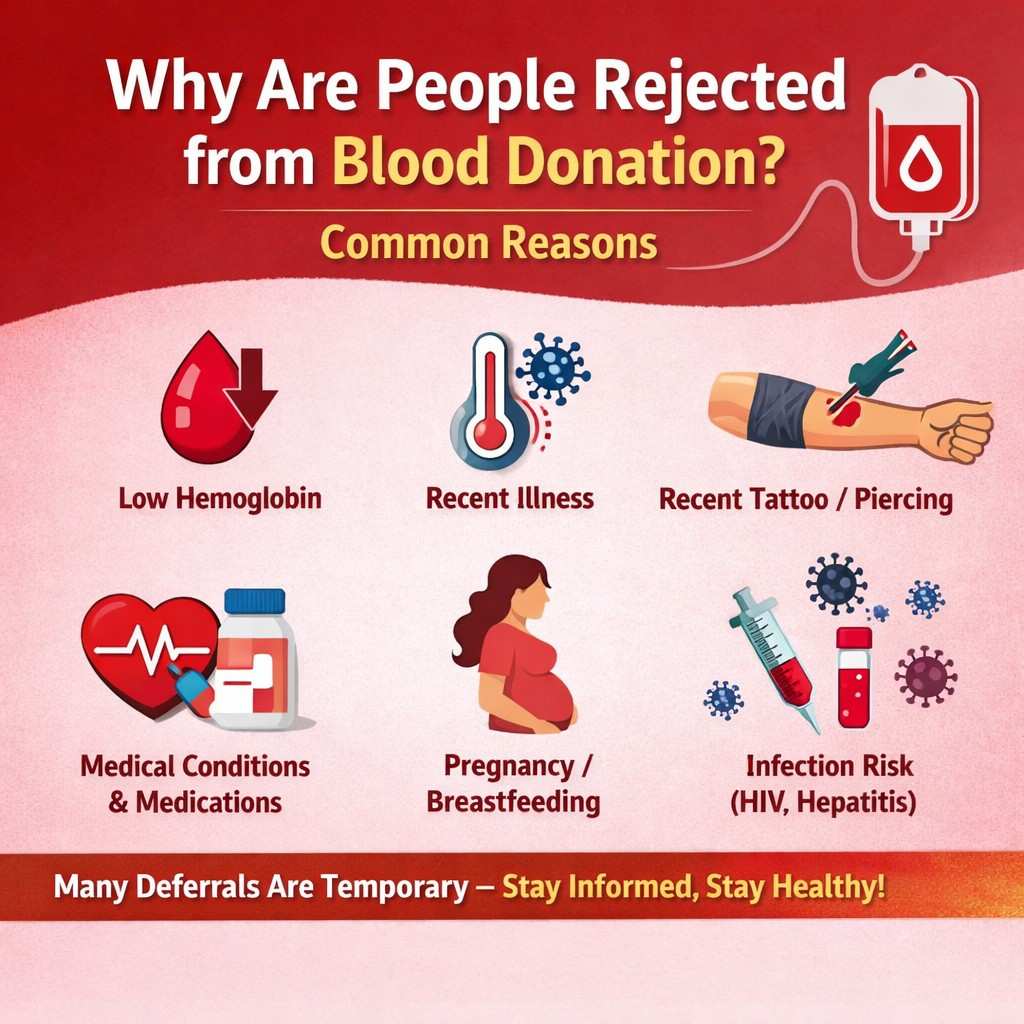
  • What Are the Reasons Someone Is Rejected from Blood Donation?

    What Are the Reasons Someone Is Rejected from Blood Donation?

    Blood donation is a lifesaving act, but not everyone who comes forward is always eligible to donate. Blood banks follow strict medical guidelines to ensure the safety of both the donor and the recipient. Being rejected does not mean someone is unhealthy or permanently unfit to donate. In most cases, the rejection is temporary. sydney sweeney nudes

    Below are the most common reasons why someone may be rejected from donating blood.

    1. Low Hemoglobin (Anemia)

    One of the most common reasons for rejection is low hemoglobin levels. Hemoglobin carries oxygen in the blood, and donating with low levels can make the donor weak or dizzy.

    • Minimum required level is usually 12.5 g/dL

    • More common in women due to iron deficiency

    Usually temporary; iron-rich diet or supplements help.

    2. Low or High Blood Pressure

    Blood pressure must be within a safe range to donate.

    • Too low BP may cause fainting

    • Too high BP increases health risks

    Often temporary and manageable with medical advice.

    3. Low Body Weight

    Most blood banks require a minimum weight of 45–50 kg.

    • Lower weight increases risk of weakness after donation

    Temporary; eligibility improves with healthy weight gain.

    4. Recent Illness or Infection

    If a person has had:

    • Fever

    • Cold or flu

    • Diarrhea

    • COVID-19 or other infections

    They may be deferred to prevent infection transmission.

    Usually temporary until full recovery.

    5. Recent Surgery or Medical Procedures

    Recent surgeries, dental procedures, or major treatments may require a waiting period.

    • Minor procedures: short deferral

    • Major surgeries: longer deferral

    Temporary; donation allowed after recovery.

    6. Recent Vaccination

    Some vaccinations require a waiting period before donating blood.

    • Live vaccines often need longer deferral

    • Inactivated vaccines may need only a few days

    Temporary and precautionary.

    7. Chronic Medical Conditions

    Some long-term health conditions may lead to rejection, such as:

    • Heart disease

    • Epilepsy

    • Certain cancers

    • Severe asthma

    Can be temporary or permanent depending on condition.

    8. Diabetes (in Some Cases)

    People with diabetes may be deferred if:

    • Blood sugar is uncontrolled

    • On certain insulin regimens

    Well-controlled diabetes may still allow donation.

    9. Recent Tattoo or Piercing

    Tattoos or piercings done recently can increase the risk of bloodborne infections.

    • Waiting period is usually 3–12 months

    Temporary deferral.

    10. Pregnancy and Breastfeeding

    Pregnant women and those who recently delivered are deferred to protect their health.

    • Donation allowed after a safe recovery period

    Temporary and health-related.

    11. Risk of Bloodborne Infections

    Individuals at higher risk of infections like:

    • HIV

    • Hepatitis B or C

    May be permanently deferred to ensure recipient safety.

    Permanent in some cases.

    12. Alcohol or Medication Intake

    • Alcohol intake within 24 hours

    • Certain medications like antibiotics or blood thinners

    Usually temporary.

    Important Things to Remember

    • Rejection does not mean permanent disqualification

    • Many deferrals are short-term

    • Always be honest during screening

    • Follow medical advice to become eligible in the future

    Final Thoughts

    Blood donation guidelines exist to protect lives. If you are rejected once, don’t be discouraged. Take care of your health, follow recommendations, and try again. Your willingness to donate already makes a difference.

  • Blood Donation for Women: Safety, Myths, and Guidelines

    Blood Donation for Women: Safety, Myths, and Guidelines

    Blood donation is a life-saving act that plays a critical role in healthcare systems worldwide. Yet, many women hesitate to donate blood due to concerns about safety, health effects, or common misconceptions. The truth is that women can safely donate blood when proper medical guidelines are followed. This article explores the safety of blood donation for women, clears common myths, and explains essential guidelines every female donor should know.

    Why Women’s Blood Donation Matters

    Women make up nearly half of the population, but their participation in blood donation is often lower compared to men. Increasing women’s involvement can help reduce blood shortages, especially during emergencies, surgeries, and childbirth complications. Healthy women donors contribute significantly to saving lives and strengthening blood bank reserves.

    Is Blood Donation Safe for Women?

    Yes, blood donation is safe for women who meet eligibility criteria. Blood banks follow strict medical protocols to ensure donor safety. Before donation, every donor undergoes a health screening that includes hemoglobin testing, blood pressure checks, and general health questions.

    The most important factor for women is hemoglobin level, which reflects iron content in the blood. Women naturally have lower hemoglobin levels due to menstruation, but if levels meet the minimum requirement, donating blood is medically safe.

    After donation, the body quickly begins to replace lost blood volume, and red blood cells are replenished within a few weeks with proper nutrition.

    Common Myths About Blood Donation for Women

    Myth 1: Blood donation causes weakness in women

    Fact: Temporary fatigue may occur, but it is short-lived. With proper hydration and nutrition, most women resume normal activities within a day.

    Myth 2: Women cannot donate blood during menstruation

    Fact: Women can donate blood during menstruation if they feel well and meet hemoglobin requirements. However, those experiencing heavy bleeding or severe cramps are advised to postpone donation.

    Myth 3: Blood donation affects fertility or pregnancy

    Fact: Blood donation does not affect fertility. Pregnant women are advised not to donate, but donating blood before or after pregnancy (after medical clearance) is safe.

    Myth 4: Women have “less blood” to donate

    Fact: Blood donation volumes are standardized and safe for women who meet weight and health criteria.

    Eligibility Guidelines for Women Donors

    While guidelines may vary slightly by country, the general criteria include:

    • Age: Usually 18 to 65 years

    • Weight: Minimum 45–50 kg (varies by region)

    • Hemoglobin level: Typically at least 12–12.5 g/dL

    • Overall health: No active infections or serious medical conditions

    Women are generally advised to donate whole blood every 3–4 months, allowing enough time for iron levels to recover.

    Special Considerations for Women

    • Pregnancy & Breastfeeding: Pregnant women should not donate blood. Breastfeeding women may donate after consulting a doctor and ensuring adequate nutrition.

    • Iron levels: Women are more prone to iron deficiency. Iron-rich foods like spinach, lentils, dates, jaggery, red meat, and fortified cereals are recommended before and after donation.

    • Medical conditions: Women with anemia, severe thyroid disorders, or recent surgeries should seek medical advice before donating.

    Tips for a Safe and Comfortable Donation

    • Eat a healthy, iron-rich meal before donating

    • Drink plenty of water before and after donation

    • Avoid strenuous activity for 24 hours

    • Inform staff about dizziness, fatigue, or discomfort

    • Follow post-donation care instructions carefully

    Empowering Women Through Blood Donation

    Blood donation is not just safe for women—it is empowering. By donating blood, women contribute directly to saving lives and supporting critical medical care. Dispelling myths and spreading awareness can encourage more women to step forward as regular donors.
  • Role of Blood Donation in Surgeries & Organ Transplants

    Role of Blood Donation in Surgeries & Organ Transplants

    Blood donation plays a critical role in modern healthcare, especially in life-saving surgeries and organ transplant procedures. Every day, thousands of patients depend on donated blood to survive complex medical treatments. From routine operations to high-risk transplants, the availability of safe and sufficient blood can mean the difference between life and death. sydney sweeney

    Why Blood Is Essential in Surgical Procedures

    During surgeries, blood loss is often unavoidable. Even with advanced medical technology, surgeons rely on blood transfusions to maintain a patient’s oxygen levels and overall stability. Procedures such as heart surgery, trauma care, orthopedic operations, and cesarean sections commonly require blood or blood components.

    Donated blood helps:

    • Restore blood volume lost during surgery

    • Maintain normal blood pressure and oxygen supply

    • Prevent complications such as shock or organ failure

    In emergency surgeries, especially after accidents, blood must be available immediately. Blood banks depend entirely on voluntary donors to meet this urgent demand.

    Blood Components Used in Surgeries

    Donated blood is not always used as whole blood. It is separated into components so patients receive exactly what they need:

    • Red Blood Cells (RBCs): Carry oxygen and are vital during major blood loss

    • Plasma: Helps in clotting and managing burns or liver conditions

    • Platelets: Essential for preventing excessive bleeding during and after surgery

    This component-based use allows one blood donation to help multiple surgical patients.

    Importance of Blood Donation in Organ Transplants

    Organ transplants are among the most complex medical procedures and often require large quantities of blood. Whether it’s a kidney, liver, heart, or bone marrow transplant, blood transfusions support the patient before, during, and after the operation.

    Blood is needed in organ transplants to:

    • Replace blood lost during lengthy surgeries

    • Support the body while adapting to the new organ

    • Manage complications such as bleeding or infection

    In liver transplants, for example, patients may need multiple units of blood and plasma due to heavy blood loss and clotting challenges.

    Blood Matching and Transplant Safety

    Blood compatibility is extremely important in both surgeries and organ transplants. Transfusing the wrong blood type can cause serious, life-threatening reactions. That is why blood banks carefully screen and match blood according to ABO and Rh systems before transfusion.

    For organ transplants, precise matching helps:

    • Reduce the risk of rejection

    • Improve transplant success rates

    • Ensure faster patient recovery

    Regular blood donation ensures a wide range of blood types is available, including rare and negative blood groups, which are often difficult to source in emergencies.

    Challenges of Blood Shortage

    Despite its importance, blood shortages are common, particularly during festivals, pandemics, or natural disasters. A lack of blood can lead to:

    • Delayed surgeries

    • Postponed organ transplants

    • Increased risk to critically ill patients

    Many hospitals must rely on last-minute donor appeals due to insufficient blood reserves. This highlights the need for consistent and voluntary blood donation.

    How Blood Donors Save Lives

    A single blood donation can save up to three lives, especially in surgical and transplant cases. Regular donors ensure hospitals are prepared for both planned surgeries and unexpected emergencies.

    By donating blood, you:

    • Support patients undergoing major operations

    • Help transplant recipients get a second chance at life

    • Strengthen the overall healthcare system

    Conclusion

    Blood donation is the backbone of successful surgeries and organ transplants. Without a steady supply of donated blood, even the most advanced medical procedures cannot be performed safely. By becoming a regular blood donor, individuals play a direct role in saving lives, supporting critical surgeries, and giving hope to patients waiting for organ transplants. Your donation today could be the reason someone survives tomorrow.