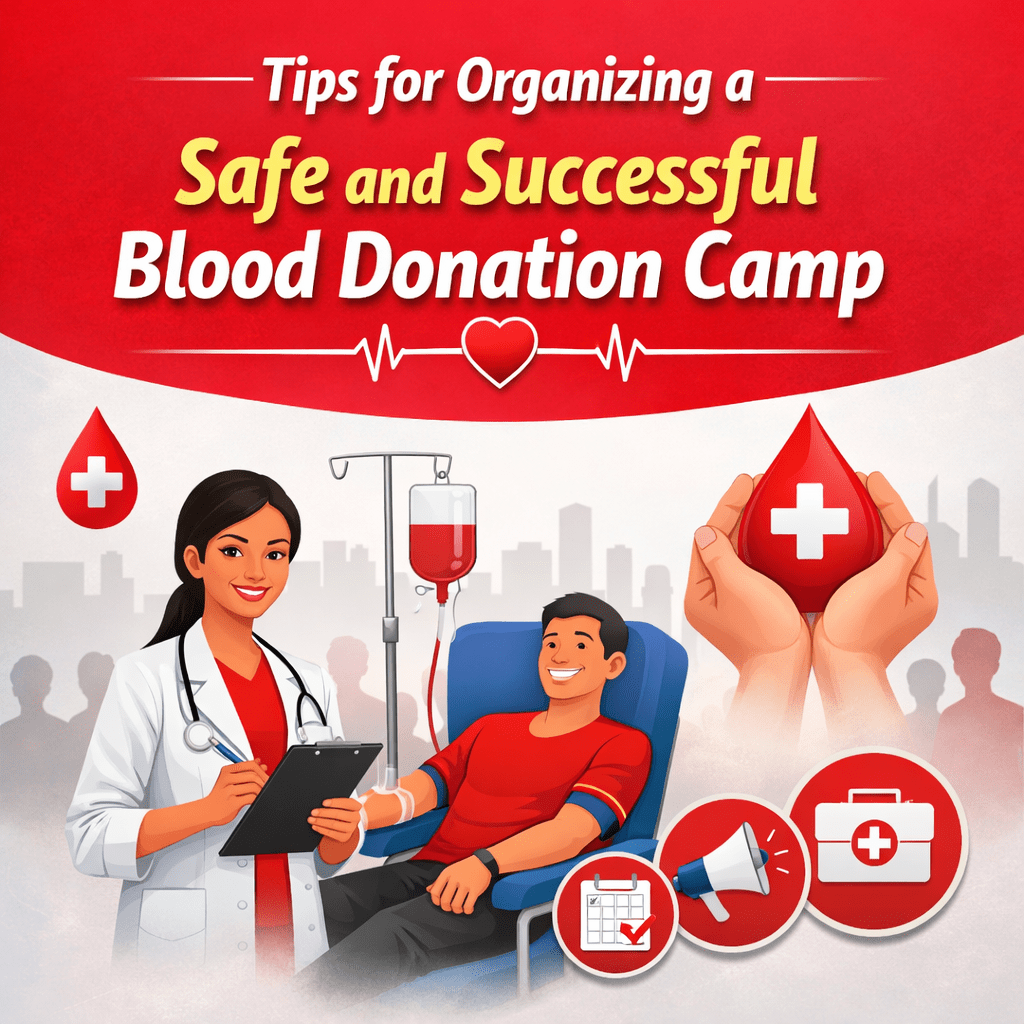
Organizing a community blood donation camp is a meaningful way to contribute to society and save lives. Blood is a critical resource in hospitals, and voluntary donation ensures that patients in need of transfusions have access to safe and timely blood. Whether you are part of an organization, college, or community group, hosting a blood donation camp can make a significant impact. Here’s a comprehensive guide on how to organize a successful camp.
1. Plan Ahead and Set Objectives
The first step in organizing a blood donation camp is planning. Identify the primary objective—is it to increase awareness, collect a certain number of units, or encourage first-time donors? Determine the target audience such as college students, office employees, or local residents. Clear objectives will help in designing an effective campaign and measuring success.
2. Partner with a Certified Blood Bank
Collaborating with a reliable and certified blood bank is crucial. They will provide the necessary medical equipment, trained staff, and ensure the blood collection follows safety and hygiene protocols. Reach out early to finalize the date, location, and logistics. Blood banks may also provide promotional material and help with pre-donation screening.
3. Choose a Suitable Venue
Select a venue that is easily accessible and has sufficient space for registration, waiting areas, and donation beds. Ensure the venue is well-ventilated, clean, and comfortable for donors. Schools, community halls, corporate offices, or college auditoriums are commonly used venues.
4. Schedule and Timing
Decide on a date and duration for the camp. Weekends or public holidays are ideal since more people are likely to participate. Keep the camp open for at least 4–6 hours to accommodate donors throughout the day.
5. Promote the Blood Donation Camp
Effective promotion is key to attracting donors. Use a combination of methods:
-
Social Media: Share posts and event pages on platforms like Facebook, Instagram, and LinkedIn.
-
Posters and Flyers: Place them in high-traffic areas within your community or organization.
-
Email and WhatsApp: Send reminders to employees, students, or community members.
-
Word of Mouth: Encourage volunteers to spread the word.
Highlight the impact of donation and the importance of saving lives to motivate participation.
6. Prepare for On-Site Logistics
Ensure that all logistics are well-organized:
-
Registration Desk: For collecting donor details and verifying eligibility.
-
Pre-Donation Screening: Medical personnel should check hemoglobin levels, blood pressure, and general health.
-
Donation Area: Comfortable beds and chairs for donors, with privacy screens if possible.
-
Post-Donation Area: Provide refreshments and snacks to help donors recover.
-
Emergency Preparedness: Have first-aid kits and trained staff ready for any adverse reactions.
7. Engage Volunteers
Volunteers can assist in registration, guiding donors, distributing refreshments, and helping with post-donation monitoring. They also help create a friendly and welcoming environment for donors, making the experience more enjoyable.
8. Follow Up After the Camp
After the camp, thank all donors, volunteers, and partners through emails, social media, or messages. Share the impact of the camp, such as total units of blood collected and the number of lives potentially saved. This encourages continued participation in future drives.
9. Ensure Compliance and Safety
Make sure the entire process adheres to medical safety standards. The blood bank will ensure proper screening and handling of collected blood. Additionally, maintain hygiene protocols and observe donor eligibility guidelines.
Conclusion
Organizing a community blood donation camp is a rewarding initiative that strengthens community ties and saves lives. With careful planning, collaboration with certified blood banks, effective promotion, and smooth execution, your camp can make a meaningful impact. Encourage repeat donors, maintain safety standards, and celebrate the collective effort to make blood donation a regular part of community service.
Leave a Reply