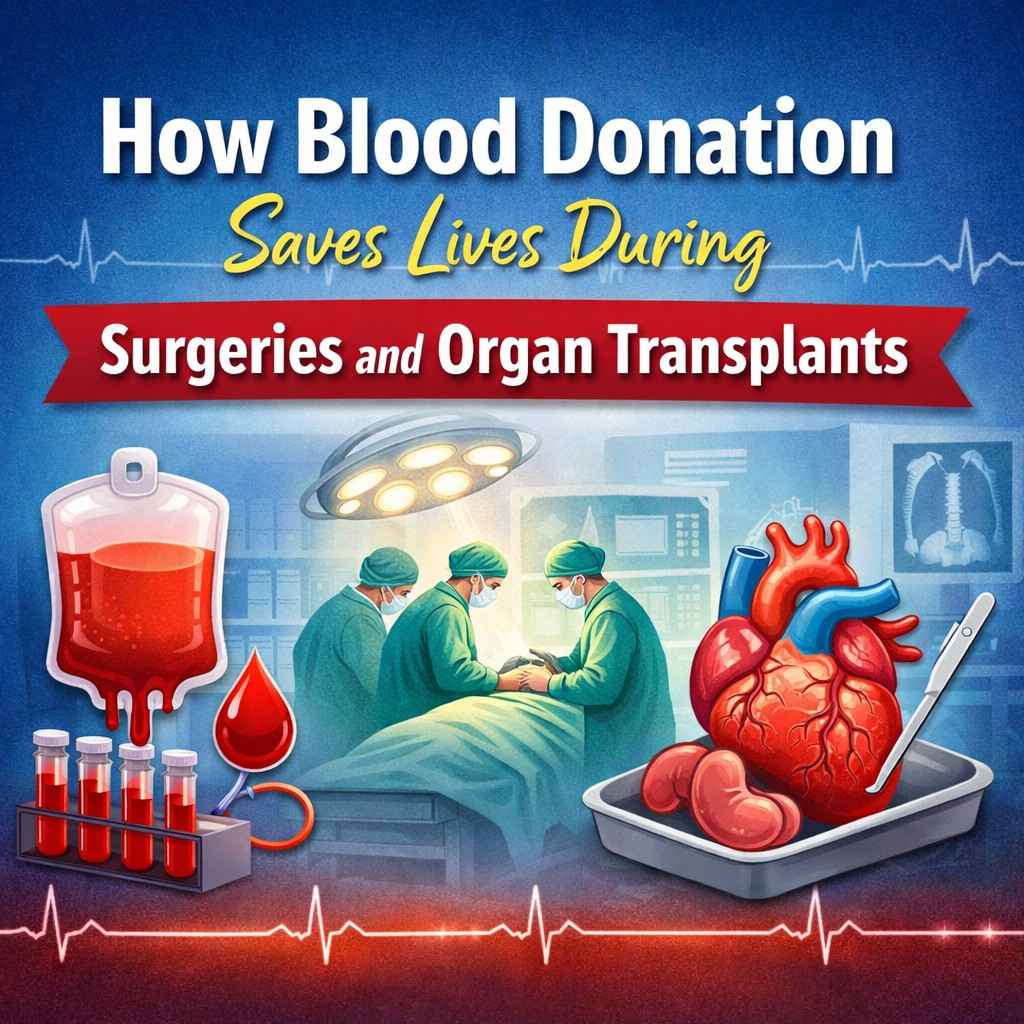
Blood donation plays a critical role in modern healthcare, especially in life-saving surgeries and organ transplant procedures. Every day, thousands of patients depend on donated blood to survive complex medical treatments. From routine operations to high-risk transplants, the availability of safe and sufficient blood can mean the difference between life and death. sydney sweeney
Why Blood Is Essential in Surgical Procedures
During surgeries, blood loss is often unavoidable. Even with advanced medical technology, surgeons rely on blood transfusions to maintain a patient’s oxygen levels and overall stability. Procedures such as heart surgery, trauma care, orthopedic operations, and cesarean sections commonly require blood or blood components.
Donated blood helps:
-
Restore blood volume lost during surgery
-
Maintain normal blood pressure and oxygen supply
-
Prevent complications such as shock or organ failure
In emergency surgeries, especially after accidents, blood must be available immediately. Blood banks depend entirely on voluntary donors to meet this urgent demand.
Blood Components Used in Surgeries
Donated blood is not always used as whole blood. It is separated into components so patients receive exactly what they need:
-
Red Blood Cells (RBCs): Carry oxygen and are vital during major blood loss
-
Plasma: Helps in clotting and managing burns or liver conditions
-
Platelets: Essential for preventing excessive bleeding during and after surgery
This component-based use allows one blood donation to help multiple surgical patients.
Importance of Blood Donation in Organ Transplants
Organ transplants are among the most complex medical procedures and often require large quantities of blood. Whether it’s a kidney, liver, heart, or bone marrow transplant, blood transfusions support the patient before, during, and after the operation.
Blood is needed in organ transplants to:
-
Replace blood lost during lengthy surgeries
-
Support the body while adapting to the new organ
-
Manage complications such as bleeding or infection
In liver transplants, for example, patients may need multiple units of blood and plasma due to heavy blood loss and clotting challenges.
Blood Matching and Transplant Safety
Blood compatibility is extremely important in both surgeries and organ transplants. Transfusing the wrong blood type can cause serious, life-threatening reactions. That is why blood banks carefully screen and match blood according to ABO and Rh systems before transfusion.
For organ transplants, precise matching helps:
-
Reduce the risk of rejection
-
Improve transplant success rates
-
Ensure faster patient recovery
Regular blood donation ensures a wide range of blood types is available, including rare and negative blood groups, which are often difficult to source in emergencies.
Challenges of Blood Shortage
Despite its importance, blood shortages are common, particularly during festivals, pandemics, or natural disasters. A lack of blood can lead to:
-
Delayed surgeries
-
Postponed organ transplants
-
Increased risk to critically ill patients
Many hospitals must rely on last-minute donor appeals due to insufficient blood reserves. This highlights the need for consistent and voluntary blood donation.
How Blood Donors Save Lives
A single blood donation can save up to three lives, especially in surgical and transplant cases. Regular donors ensure hospitals are prepared for both planned surgeries and unexpected emergencies.
By donating blood, you:
-
Support patients undergoing major operations
-
Help transplant recipients get a second chance at life
-
Strengthen the overall healthcare system
Conclusion
Blood donation is the backbone of successful surgeries and organ transplants. Without a steady supply of donated blood, even the most advanced medical procedures cannot be performed safely. By becoming a regular blood donor, individuals play a direct role in saving lives, supporting critical surgeries, and giving hope to patients waiting for organ transplants. Your donation today could be the reason someone survives tomorrow.
Leave a Reply