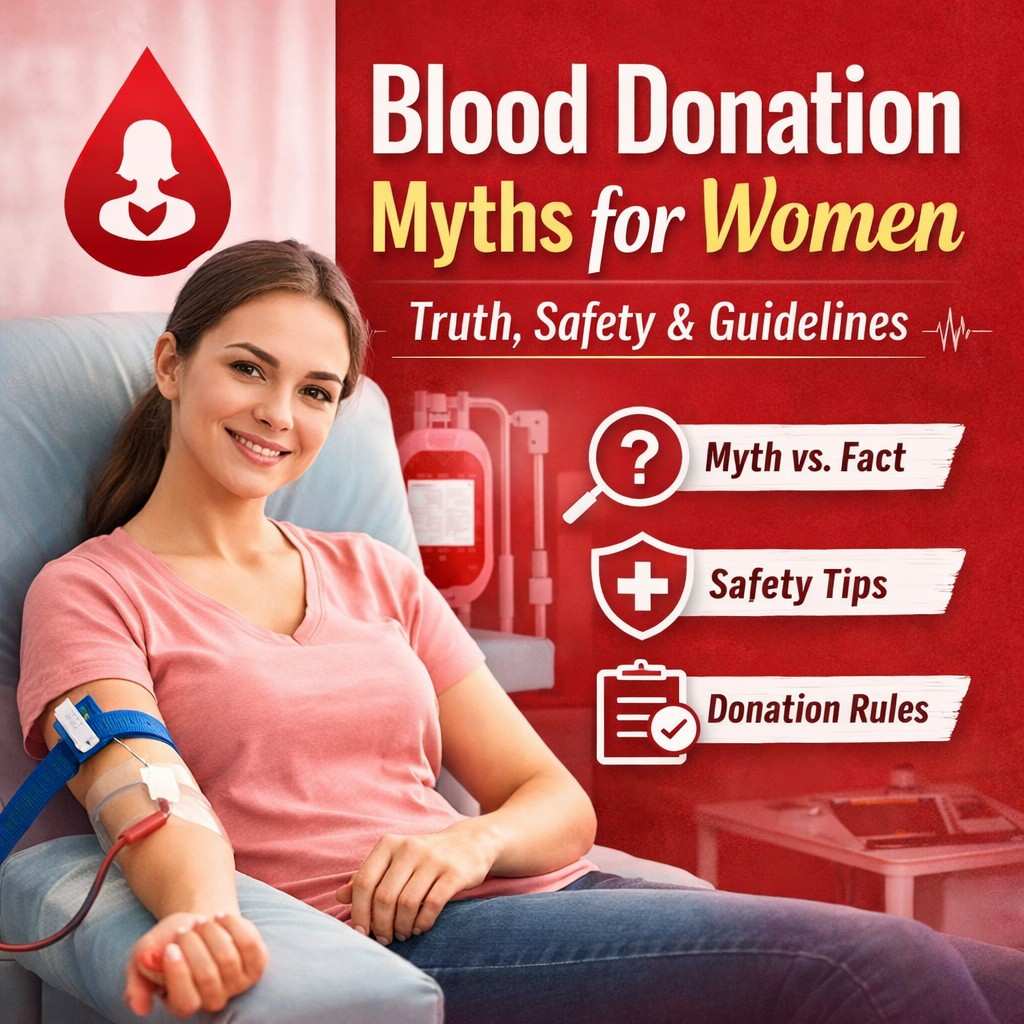
Blood donation is a life-saving act that plays a critical role in healthcare systems worldwide. Yet, many women hesitate to donate blood due to concerns about safety, health effects, or common misconceptions. The truth is that women can safely donate blood when proper medical guidelines are followed. This article explores the safety of blood donation for women, clears common myths, and explains essential guidelines every female donor should know.
Why Women’s Blood Donation Matters
Women make up nearly half of the population, but their participation in blood donation is often lower compared to men. Increasing women’s involvement can help reduce blood shortages, especially during emergencies, surgeries, and childbirth complications. Healthy women donors contribute significantly to saving lives and strengthening blood bank reserves.
Is Blood Donation Safe for Women?
Yes, blood donation is safe for women who meet eligibility criteria. Blood banks follow strict medical protocols to ensure donor safety. Before donation, every donor undergoes a health screening that includes hemoglobin testing, blood pressure checks, and general health questions.
The most important factor for women is hemoglobin level, which reflects iron content in the blood. Women naturally have lower hemoglobin levels due to menstruation, but if levels meet the minimum requirement, donating blood is medically safe.
After donation, the body quickly begins to replace lost blood volume, and red blood cells are replenished within a few weeks with proper nutrition.
Common Myths About Blood Donation for Women
Myth 1: Blood donation causes weakness in women
Fact: Temporary fatigue may occur, but it is short-lived. With proper hydration and nutrition, most women resume normal activities within a day.
Myth 2: Women cannot donate blood during menstruation
Fact: Women can donate blood during menstruation if they feel well and meet hemoglobin requirements. However, those experiencing heavy bleeding or severe cramps are advised to postpone donation.
Myth 3: Blood donation affects fertility or pregnancy
Fact: Blood donation does not affect fertility. Pregnant women are advised not to donate, but donating blood before or after pregnancy (after medical clearance) is safe.
Myth 4: Women have “less blood” to donate
Fact: Blood donation volumes are standardized and safe for women who meet weight and health criteria.
Eligibility Guidelines for Women Donors
While guidelines may vary slightly by country, the general criteria include:
-
Age: Usually 18 to 65 years
-
Weight: Minimum 45–50 kg (varies by region)
-
Hemoglobin level: Typically at least 12–12.5 g/dL
-
Overall health: No active infections or serious medical conditions
Women are generally advised to donate whole blood every 3–4 months, allowing enough time for iron levels to recover.
Special Considerations for Women
-
Pregnancy & Breastfeeding: Pregnant women should not donate blood. Breastfeeding women may donate after consulting a doctor and ensuring adequate nutrition.
-
Iron levels: Women are more prone to iron deficiency. Iron-rich foods like spinach, lentils, dates, jaggery, red meat, and fortified cereals are recommended before and after donation.
-
Medical conditions: Women with anemia, severe thyroid disorders, or recent surgeries should seek medical advice before donating.
Tips for a Safe and Comfortable Donation
-
Eat a healthy, iron-rich meal before donating
-
Drink plenty of water before and after donation
-
Avoid strenuous activity for 24 hours
-
Inform staff about dizziness, fatigue, or discomfort
-
Follow post-donation care instructions carefully
Empowering Women Through Blood Donation
Blood donation is not just safe for women—it is empowering. By donating blood, women contribute directly to saving lives and supporting critical medical care. Dispelling myths and spreading awareness can encourage more women to step forward as regular donors.
Leave a Reply