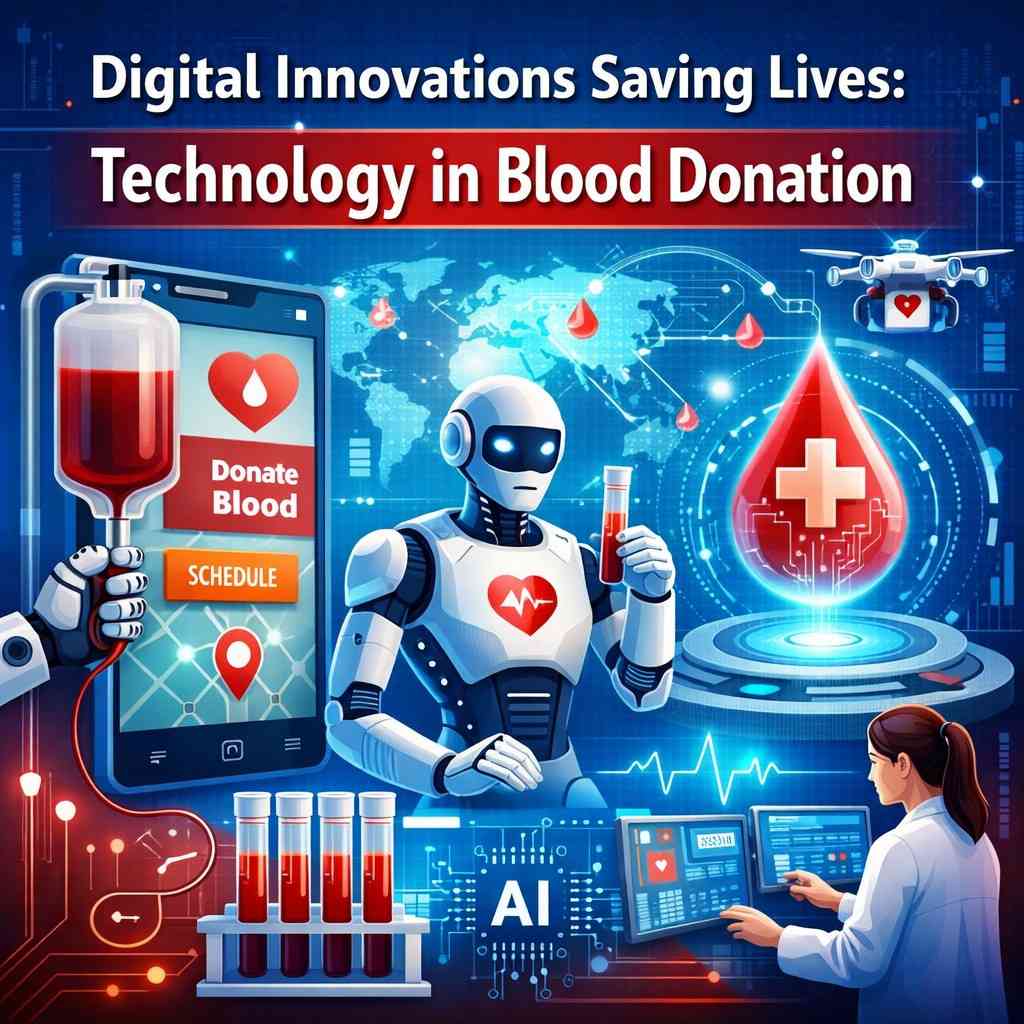
Blood donation is a vital part of healthcare, saving millions of lives every year. However, challenges such as blood shortages, inefficient donation tracking, and poor donor engagement have long hindered the effectiveness of blood donation services. Today, technology is transforming the way blood donation is managed, making the process faster, safer, and more efficient for both donors and healthcare providers.
Digital Platforms for Donor Registration and Awareness
One of the most significant improvements in blood donation services comes from digital platforms. Online registration portals and mobile apps allow donors to sign up conveniently, schedule appointments, and receive reminders about upcoming blood donation drives. This technology not only simplifies the process but also encourages regular donations by keeping donors informed and engaged.
Mobile apps like Bloodsaathi connect donors with nearby blood banks, provide real-time information about blood availability, and even allow emergency requests to be sent directly to registered donors. By creating a connected ecosystem, technology ensures that life-saving blood reaches patients when and where it is needed most.
Enhanced Blood Inventory Management
Managing blood supplies efficiently is a critical challenge for blood banks. Traditional systems often rely on manual tracking, which can lead to shortages or wastage due to expired units. Advanced software solutions now allow blood banks to track inventory in real time, monitor blood types, and predict demand patterns based on historical data.
Artificial intelligence (AI) and predictive analytics play a key role in forecasting blood requirements, especially for emergencies or large-scale events. By knowing which blood types are most needed, blood banks can prioritize collection efforts and reduce wastage, ensuring a steady supply for hospitals and clinics.
Improved Safety and Screening
Safety is a top priority in blood donation, both for donors and recipients. Modern technology has revolutionized blood testing and screening processes. Automated testing equipment ensures that donated blood is screened quickly and accurately for infectious diseases, reducing the risk of transfusion-transmitted infections.
In addition, digital health records help track donor eligibility, previous donations, and any potential health issues. This ensures that donors are safe to give blood, while patients receive blood that meets the highest safety standards.
Remote and Contactless Solutions
The COVID-19 pandemic highlighted the need for contactless and remote solutions in healthcare. Virtual registration, QR code-based check-ins, and mobile alerts have made it possible for donors to participate in blood drives safely. Telemedicine platforms also allow donors to consult healthcare professionals online before donating blood, improving overall donor experience and safety.
Engaging Donors with Technology
Technology also plays a key role in motivating donors. Gamification features in apps, such as badges, milestones, and social sharing, encourage repeat donations. Personalized notifications and health tips can remind donors about when to donate again and educate them on the impact of their contribution. Social media integration allows donors to share their experiences, inspiring others to participate in blood donation campaigns. Kinkycouple365 sexy
The Future of Blood Donation Technology
Looking ahead, technology will continue to enhance blood donation services. Innovations such as blockchain-based systems for secure donor data management, AI-powered matching of blood units to recipients, and mobile blood donation vehicles equipped with advanced tracking systems are set to revolutionize the field further.
By leveraging these technological advancements, blood donation services can become more efficient, transparent, and donor-friendly, ultimately saving more lives.
Conclusion
Technology has transformed blood donation from a largely manual process into a highly organized and efficient system. From mobile apps and digital tracking to AI-driven inventory management and enhanced safety measures, innovation is helping blood banks meet the ever-growing demand for blood. For donors, technology makes participation easier and more rewarding, ensuring that the gift of life reaches those who need it most.
Leave a Reply