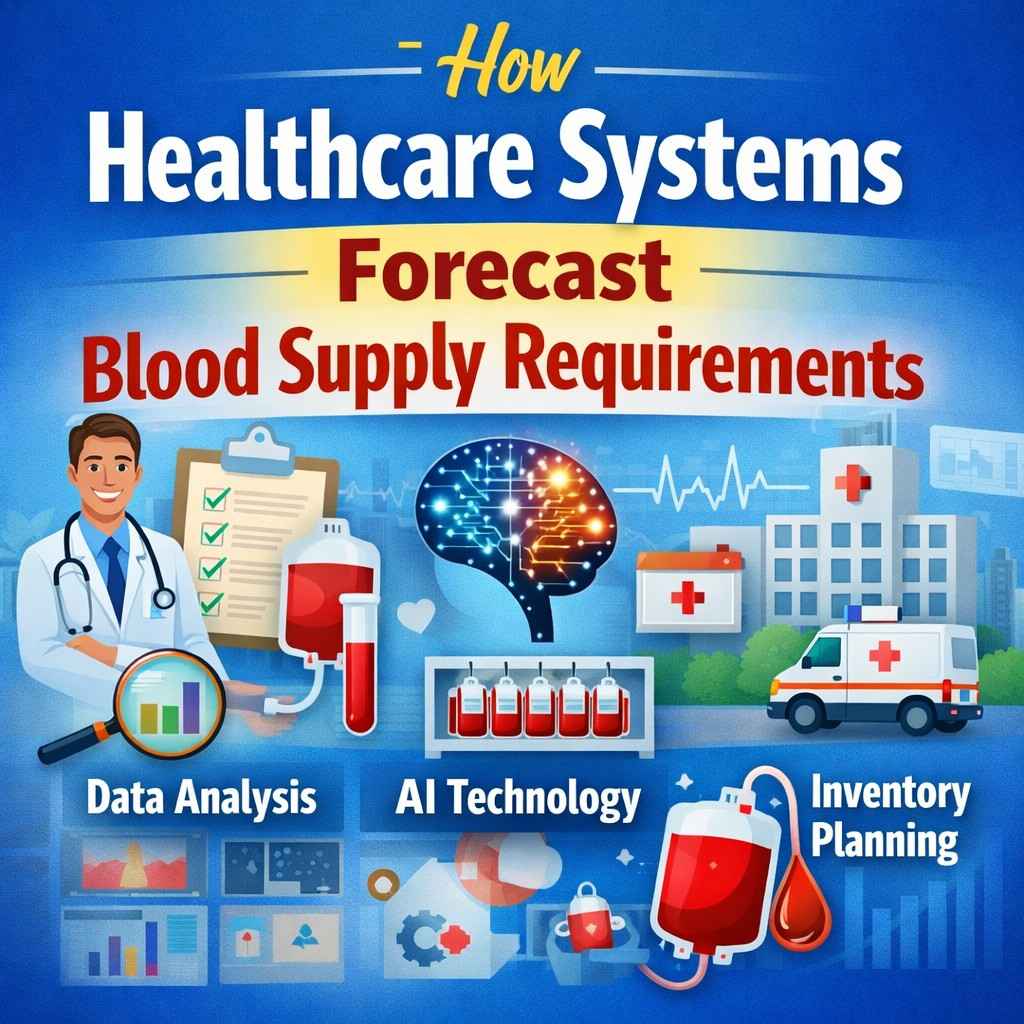
Blood is a critical medical resource that cannot be manufactured artificially. Hospitals must carefully plan and manage blood supply to ensure that lifesaving transfusions are available when needed. Accurate blood demand forecasting helps hospitals prevent shortages, reduce wastage, and improve patient outcomes. In this guide, we’ll explore how hospitals forecast blood demand and why this process is essential for modern healthcare systems.
Why Blood Demand Forecasting Is Important
Hospitals handle a wide variety of medical cases every day, including surgeries, trauma emergencies, childbirth complications, cancer treatments, and chronic illnesses. Each of these situations may require different blood components such as red blood cells, plasma, or platelets.
Forecasting blood demand helps hospitals:
-
Maintain adequate blood stock levels
-
Reduce expired blood wastage
-
Prepare for emergencies and disasters
-
Improve patient care and response time
-
Optimize blood bank operations
Without proper forecasting, hospitals risk facing critical shortages or excessive inventory that leads to waste.
Key Factors Hospitals Consider While Forecasting Blood Demand
1. Historical Blood Usage Data
Hospitals analyze past blood consumption patterns to understand trends. This includes daily, weekly, and seasonal usage. For example, certain months may see higher accident rates or increased surgical procedures, which raises blood demand.
2. Scheduled Surgeries and Procedures
Elective and planned surgeries are a major factor in blood forecasting. Hospitals review upcoming surgical schedules to estimate how many blood units may be required. Complex surgeries such as cardiac or orthopedic procedures often need more transfusions.
3. Emergency and Trauma Cases
Although emergencies are unpredictable, hospitals use historical trauma data to estimate average emergency blood requirements. This allows them to maintain buffer stock for unexpected situations.
4. Patient Demographics and Disease Trends
Hospitals also consider the number of patients with conditions like anemia, cancer, kidney disease, and pregnancy-related complications. These patients frequently require blood transfusions, influencing demand forecasts.
5. Seasonal and Local Events
Seasonal factors such as monsoons, festivals, or accident-prone periods can increase hospital admissions. Hospitals adjust their blood stock planning based on such patterns.
Role of Technology in Blood Demand Forecasting
Modern hospitals increasingly rely on digital tools and software to improve forecasting accuracy.
Hospital Information Systems (HIS)
Integrated hospital systems track patient data, surgical schedules, and blood usage. This real-time data helps administrators make informed decisions about inventory levels.
Data Analytics and Predictive Models
Advanced data analytics tools use algorithms to analyze large datasets and predict future blood requirements. These models can identify patterns that manual forecasting might miss.
AI and Machine Learning
Some healthcare institutions use artificial intelligence to predict blood demand based on multiple variables such as patient inflow, disease trends, and emergency history. AI-powered systems improve accuracy and reduce human error.
How Hospitals Manage Blood Inventory Based on Forecasts
Once hospitals forecast blood demand, they implement inventory management strategies to ensure efficiency.
-
Maintaining minimum and maximum stock levels
-
Rotating blood stock to prevent expiration
-
Coordinating with nearby blood banks and donation centers
-
Organizing blood donation camps during shortage periods
-
Monitoring daily usage and adjusting forecasts
These practices help hospitals maintain a steady supply without unnecessary waste.
Challenges in Blood Demand Forecasting
Despite technological advancements, forecasting blood demand remains complex. Some common challenges include:
-
Sudden emergencies or disasters
-
Fluctuating donor availability
-
Limited shelf life of blood products
-
Inaccurate data collection
-
Unexpected disease outbreaks
Hospitals must remain flexible and continuously update their forecasting strategies to overcome these challenges.
Future of Blood Demand Forecasting
The future of blood demand forecasting lies in automation and smart healthcare systems. Cloud-based platforms, real-time data sharing between hospitals and blood banks, and AI-powered analytics will further improve prediction accuracy. These innovations will help healthcare providers respond faster to emergencies and save more lives.
Conclusion
Blood demand forecasting is a vital part of hospital operations. By analyzing historical data, leveraging technology, and maintaining efficient inventory systems, hospitals can ensure the availability of safe blood for patients in need. As healthcare continues to evolve, smarter forecasting methods will play an even greater role in strengthening blood supply management and improving patient care outcomes.
Leave a Reply