Blood donation is a life-saving act, but many potential donors have questions about alcohol consumption before and after donating blood. Understanding how alcohol affects your body and donation eligibility is important to ensure both donor safety and blood quality. In this guide, we explain everything you need to know about alcohol and blood donation.
Can You Drink Alcohol Before Donating Blood?
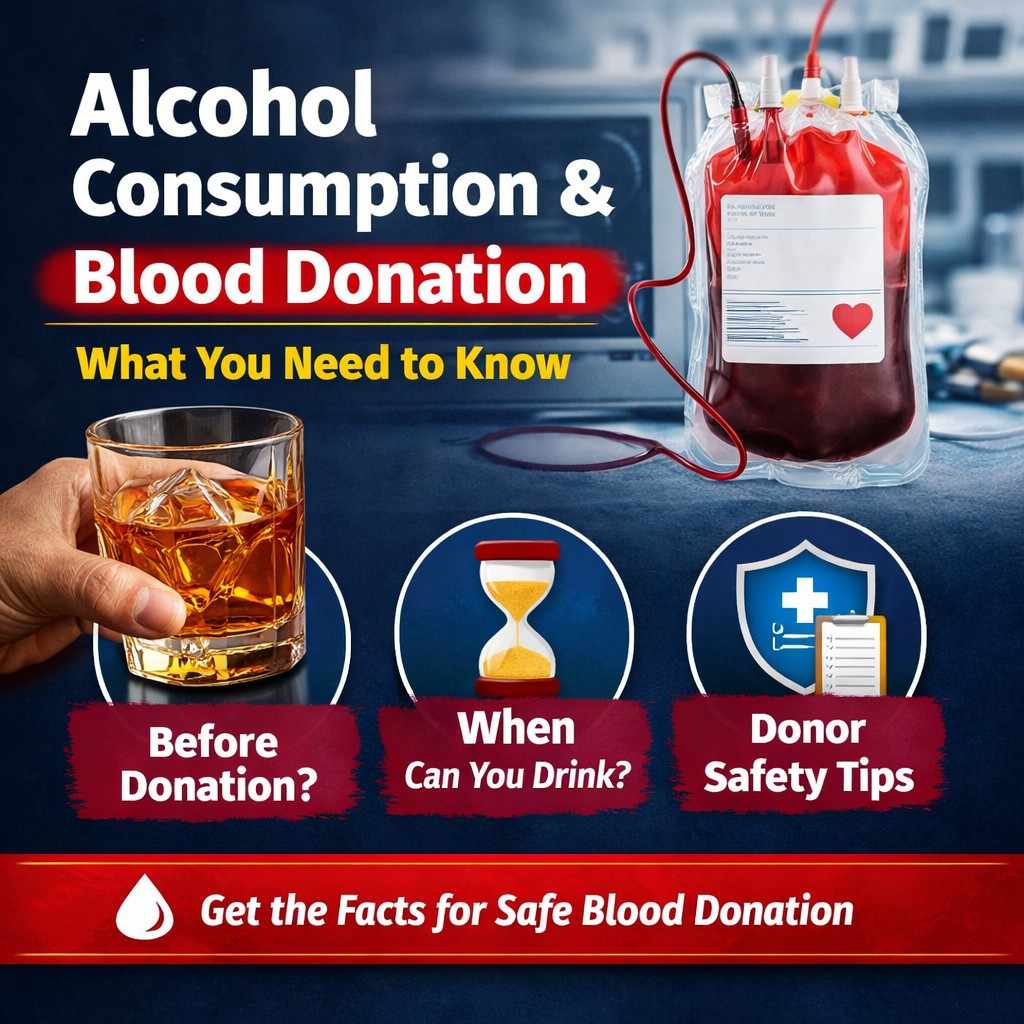
No, you should avoid drinking alcohol before donating blood. Most blood banks recommend that donors do not consume alcohol at least 24 hours before donation.
Why Is Alcohol Before Donation Not Allowed?
Alcohol can cause dehydration and affect blood pressure levels. When you donate blood, your body already loses fluids. Alcohol further increases the risk of:
-
Dizziness and lightheadedness
-
Low blood pressure
-
Nausea or fainting
-
Poor vein access
-
Reduced blood quality
Drinking alcohol can also interfere with accurate hemoglobin testing, which is done before donation to ensure you are fit to donate.
How Alcohol Affects Your Blood
Alcohol enters the bloodstream quickly and can temporarily alter blood composition. It can:
-
Thin the blood slightly
-
Reduce hydration levels
-
Impact red blood cell function
-
Lower iron absorption
While alcohol does not permanently damage donated blood, its short-term effects can make donation unsafe for the donor.
Can You Donate Blood If You Drank Alcohol the Night Before?
If you consumed alcohol the previous night, you may still be able to donate only if enough time has passed and you are fully hydrated and feeling normal.
General Guidelines:
-
Wait at least 12–24 hours after alcohol consumption
-
Drink plenty of water before donation
-
Avoid donating if you feel tired, dehydrated, or unwell
-
Inform the staff honestly about alcohol intake
Blood donation centers may refuse donation if they feel alcohol effects are still present.
Can You Drink Alcohol After Donating Blood?
It is strongly recommended to avoid alcohol for at least 24 hours after donating blood.
Why Should You Avoid Alcohol After Donation?
After donating blood, your body needs time to recover lost fluids and red blood cells. Drinking alcohol during this recovery period can:
-
Increase dizziness and fatigue
-
Delay hydration recovery
-
Raise the risk of fainting
-
Affect healing at the needle site
Instead, focus on drinking water, fruit juices, and electrolyte-rich fluids.
What Should You Drink Instead of Alcohol After Donation?
Healthy alternatives include:
-
Water
-
Coconut water
-
Fresh fruit juice
-
Oral rehydration solutions
-
Herbal tea
These drinks help restore fluids and support faster recovery.
Alcohol and Plasma Donation
For plasma donation, alcohol rules are similar. Plasma donation removes more fluids from the body, so alcohol intake can have stronger effects.
Plasma donors should:
-
Avoid alcohol 24 hours before donation
-
Stay well hydrated
-
Avoid alcohol 24 hours after donation
Safety Tips for Blood Donors Who Consume Alcohol
If you occasionally drink alcohol, follow these safety tips:
-
Never donate blood while under the influence
-
Avoid heavy drinking before donation
-
Eat a healthy meal before donating
-
Sleep well the night before
-
Drink extra water before and after donation
These simple steps ensure a safe and comfortable donation experience.
Frequently Asked Questions
Can occasional drinkers donate blood?
Yes, occasional drinkers can donate blood as long as they avoid alcohol before and after donation and meet eligibility requirements.
Does alcohol affect donated blood quality?
Alcohol does not directly contaminate blood, but it can affect donor safety and hydration, which is why donation centers restrict alcohol intake.
Can I donate blood if I had one drink?
If enough time has passed and you feel normal and hydrated, you may be eligible. Always inform the donation staff honestly.
Final Thoughts
Blood donation saves lives, and donor safety is a top priority. Avoiding alcohol before and after donating blood helps protect your health and ensures a smooth donation process. If you are unsure about your eligibility, always consult the blood bank staff or medical professionals before donating.
By following proper guidelines, you can make your blood donation experience safe, successful, and meaningful.