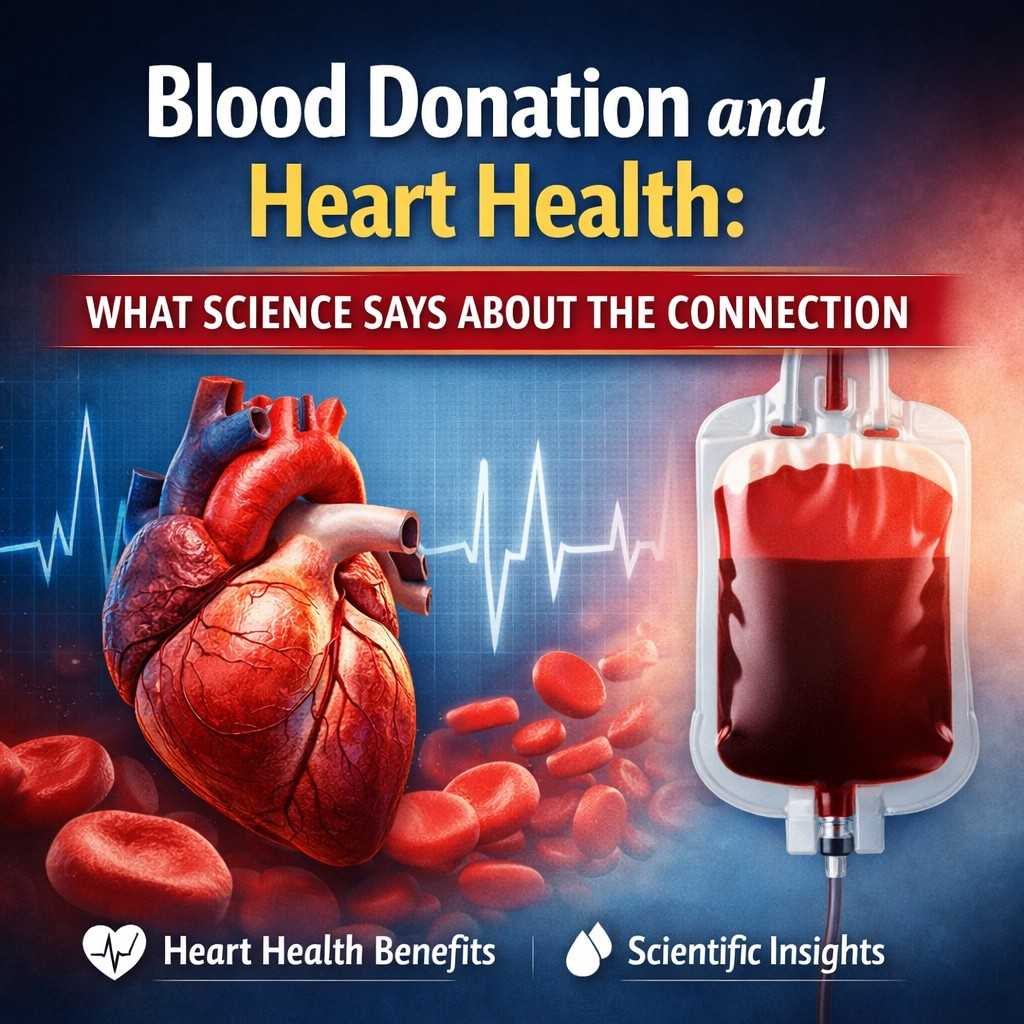
Blood donation is widely recognized as a life-saving act, but many people are unaware that it may also offer health benefits to donors themselves. One of the most discussed benefits is its potential connection to heart health. But is there really a link between blood donation and a healthier heart? Let’s explore the science, benefits, and facts behind this topic.
Understanding Heart Health
Heart health refers to how well your cardiovascular system functions. A healthy heart efficiently pumps blood, delivers oxygen to organs, and maintains balanced cholesterol and blood pressure levels. Poor heart health can lead to conditions such as heart attacks, strokes, and high blood pressure, which are among the leading causes of death worldwide.
Maintaining heart health usually involves regular exercise, a balanced diet, stress management, and avoiding smoking and excessive alcohol consumption. Interestingly, blood donation may also contribute positively when practiced responsibly.
How Blood Donation May Support Heart Health
1. Reduces Excess Iron Levels
One of the main theories linking blood donation to heart health is iron regulation. High iron levels in the blood can increase oxidative stress, which damages blood vessels and contributes to plaque buildup in arteries.
When you donate blood, your body uses stored iron to produce new red blood cells. This process helps maintain balanced iron levels and may reduce the risk of arterial damage.
2. Improves Blood Flow and Circulation
Blood donation reduces blood viscosity, meaning the blood becomes slightly thinner. Thicker blood can slow circulation and increase strain on the heart. Improved blood flow allows oxygen and nutrients to move more efficiently throughout the body, supporting better cardiovascular function.
3. Supports Healthy Cholesterol Balance
Some studies suggest that regular blood donation may help lower harmful LDL cholesterol levels. High LDL cholesterol is linked to blocked arteries and heart disease. While blood donation is not a replacement for medical treatment or lifestyle changes, it may contribute as part of a heart-healthy routine.
4. May Reduce Risk of Heart Attack
Research has indicated that people who donate blood regularly may have a lower risk of heart attacks and strokes compared to non-donors. This is believed to be related to controlled iron levels and improved circulation. However, this benefit is most effective when combined with healthy lifestyle habits.
Psychological Benefits and Heart Health
Mental well-being is closely connected to heart health. Blood donation promotes a sense of purpose, social connection, and emotional satisfaction. Reducing stress and improving mental health can positively impact blood pressure and overall cardiovascular wellness.
Feeling good emotionally can lead to better lifestyle choices such as staying active and maintaining healthy eating habits.
Who Should Be Careful About Blood Donation?
Although blood donation offers potential benefits, it is not suitable for everyone. Certain individuals should consult a healthcare professional before donating:
-
People with anemia or low hemoglobin
-
Individuals with heart conditions
-
Underweight individuals
-
People recovering from major illness or surgery
-
Those with low blood pressure
Blood banks always conduct pre-donation screening to ensure donor safety.
How Often Should You Donate Blood?
For healthy adults:
-
Men can donate whole blood every 3 months
-
Women can donate whole blood every 4 months
This interval allows the body to replenish blood cells and iron levels safely.
Blood Donation Is Not a Medical Treatment
It is important to understand that blood donation should not be considered a treatment for heart disease. It is a supportive wellness activity that may offer indirect benefits when combined with a healthy lifestyle.
Regular exercise, balanced nutrition, medical checkups, and medication (if prescribed) remain essential for heart health.
Final Thoughts
Blood donation is a powerful act of kindness that saves lives. While its primary purpose is to help patients in need, donors may also experience health benefits such as improved iron balance, better circulation, and potential heart health support.
By donating blood responsibly and maintaining healthy habits, you can contribute to both community well-being and your own cardiovascular health.