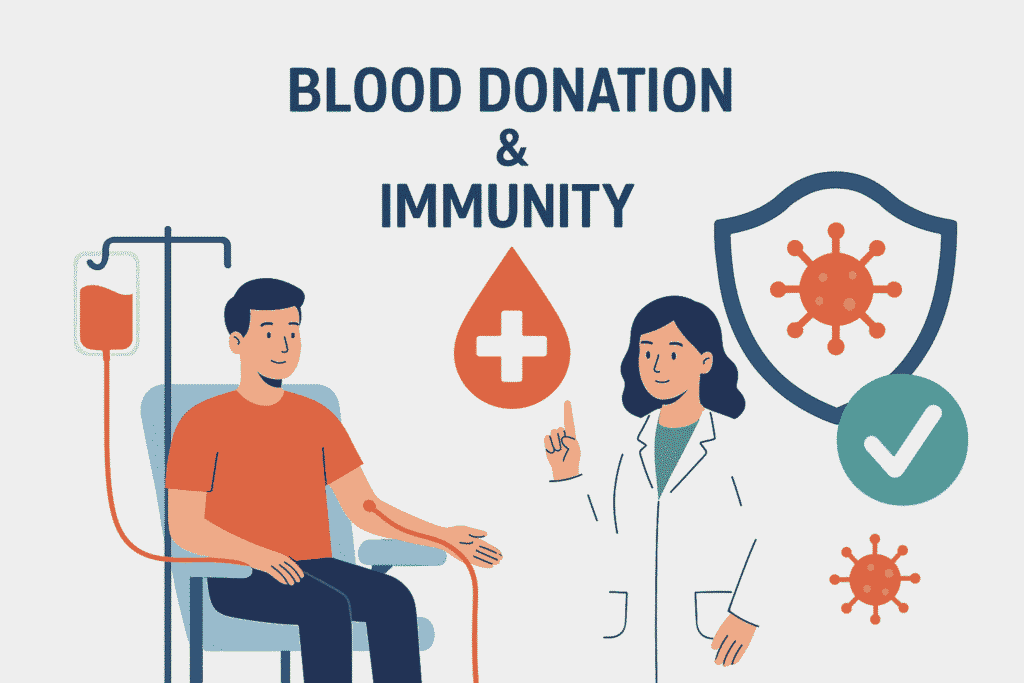
Blood donation is a powerful act of kindness that saves lives every day. Despite its importance, many people hesitate to donate blood due to concerns about weakness, immunity, or long-term health effects. One of the most common questions is whether donating blood can weaken the immune system. Let’s explore what science says and separate facts from myths.
Understanding Blood Donation and the Immune System
The immune system protects the body against infections using white blood cells, antibodies, and other defense mechanisms. During a standard whole blood donation, approximately 350–450 ml of blood is collected. This primarily includes red blood cells and plasma. Importantly, white blood cells—key components of the immune system—are only minimally affected.
The human body is well-equipped to replenish lost blood. Plasma is replaced within 24–48 hours, and red blood cells are typically regenerated within a few weeks. Because of this efficient recovery process, blood donation does not cause lasting harm to the immune system in healthy individuals.
Does Blood Donation Lower Immunity?
For most healthy donors, blood donation does not weaken immunity. Multiple medical studies and health organizations confirm that occasional or regular blood donation is safe when done according to recommended guidelines. The body maintains enough white blood cells even after donation to continue fighting infections effectively.
However, temporary changes can occur. Some donors may feel mild fatigue or lightheadedness shortly after donating, but this is usually due to a temporary drop in blood volume—not immune suppression. These symptoms typically resolve within a day or two with proper rest, hydration, and nutrition.
Can Blood Donation Improve Health?
Interestingly, regular blood donation has been linked to certain health benefits. Some studies suggest that donating blood may help reduce excess iron levels in the body, which can lower the risk of oxidative stress and certain cardiovascular issues. Balanced iron levels also support healthy immune function.
Additionally, the pre-donation screening process often includes checks for hemoglobin levels, blood pressure, and overall fitness. This can help donors stay more aware of their health status and catch potential issues early.
Who Should Be Cautious?
While blood donation is safe for most adults, certain individuals should consult a healthcare professional before donating. These include people with frequent infections, chronic illnesses, autoimmune conditions, or those who are recovering from surgery or illness. Low hemoglobin levels can also be a reason for temporary deferral, as iron plays a crucial role in immune health.
Women, especially those with anemia or low iron levels, should pay extra attention to proper nutrition before and after donating. Maintaining a well-balanced diet ensures that the immune system remains strong and resilient.
Tips to Maintain Immunity After Donating Blood
To support your immune health after blood donation:
-
Stay hydrated to help your body replenish plasma quickly.
-
Eat iron-rich foods such as leafy greens, lentils, beans, and lean meats.
-
Include vitamin C to enhance iron absorption.
-
Rest adequately, especially in the first 24 hours.
-
Avoid strenuous exercise on the day of donation.
Following these simple steps helps your body recover smoothly and keeps your immunity intact.
Myths vs. Facts About Blood Donation and Immunity
Myth: Donating blood makes you weak for weeks.
Fact: Any weakness is temporary and usually resolves within a day or two.
Myth: Blood donation lowers immunity permanently.
Fact: In healthy individuals, immunity remains stable and functional.
Myth: Frequent donors are more prone to illness.
Fact: Regular donors who follow guidelines often maintain good overall health.
Final Thoughts
Blood donation does not negatively affect immunity in healthy individuals. On the contrary, when done responsibly, it is a safe practice with potential health awareness benefits. The body’s natural ability to regenerate blood ensures that immune defenses remain strong.
By donating blood, you are not only giving someone a chance at life but also participating in a healthy, regulated medical process. With proper care, nutrition, and rest, blood donation remains one of the safest and most impactful ways to contribute to society—without compromising your health.