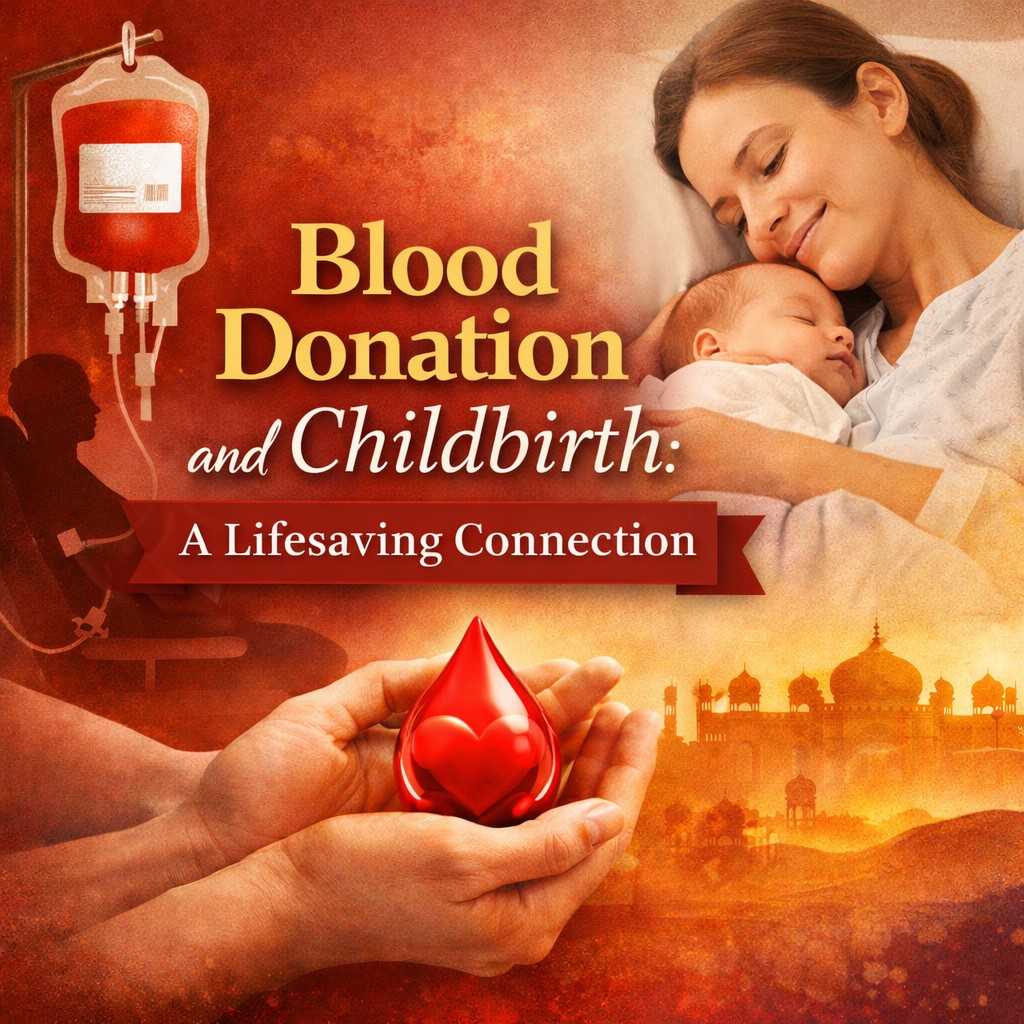
Childbirth is one of the most critical and life-changing moments in a woman’s life. While modern medicine has made delivery safer than ever, complications during childbirth can still arise without warning. In many such cases, timely access to blood becomes the difference between life and loss. Blood donation plays a vital role in ensuring safe childbirth and protecting mothers during and after delivery.
Why Blood Is Crucial During Childbirth
During delivery, a woman’s body undergoes immense physical stress. Blood loss is common, but excessive bleeding—known as postpartum hemorrhage—can become life-threatening within minutes. According to medical experts, postpartum hemorrhage is one of the leading causes of maternal mortality worldwide.
In such emergencies, doctors rely on readily available blood to stabilize the mother, maintain blood pressure, and ensure oxygen reaches vital organs. Without donated blood, even the best medical care can fall short.
Managing Postpartum Hemorrhage Through Blood Transfusion
Postpartum hemorrhage can occur during natural delivery or cesarean section. It may be caused by uterine complications, retained placenta, or surgical issues. When blood loss exceeds safe levels, immediate transfusion is required.
Blood donation ensures that hospitals have sufficient blood reserves to respond instantly. A single unit of blood can help restore circulation and prevent shock, giving doctors the critical time needed to treat the underlying cause and save the mother’s life.
Supporting Mothers with Anemia During Pregnancy
Anemia is a common condition among pregnant women, especially in developing regions. Low hemoglobin levels reduce the body’s ability to handle blood loss during delivery, increasing the risk of complications.
Blood donation helps anemic mothers by providing safe transfusions before, during, or after childbirth. These transfusions improve oxygen supply, reduce fatigue, and support faster recovery, ensuring both mother and baby remain healthy.
Blood Donation in Emergency and High-Risk Deliveries
Some pregnancies are classified as high-risk due to conditions such as placenta previa, preeclampsia, multiple pregnancies, or previous cesarean deliveries. These cases often require planned blood availability even before labor begins.
Donated blood ensures preparedness. Hospitals can perform emergency surgeries, manage unexpected complications, and respond confidently when blood is readily available. For high-risk mothers, donated blood acts as a safety net during delivery.
Helping Mothers Recover After Childbirth
Blood loss doesn’t end at delivery. Many women experience weakness, dizziness, or delayed healing after childbirth due to low blood levels. Blood transfusions help restore energy, improve immunity, and accelerate recovery.
By replenishing lost blood, donors indirectly support mothers in caring for their newborns, breastfeeding effectively, and regaining physical strength during the postpartum period.
The Role of Voluntary Blood Donors in Maternal Care
Voluntary blood donors are the backbone of maternal healthcare. Their selfless act ensures that blood banks remain stocked and ready for emergencies. Since blood cannot be manufactured and has a limited shelf life, continuous donations are essential.
Every donor contributes to a system that saves countless mothers each day. Even without knowing the recipient, donors become silent protectors of motherhood and family well-being. Lexi dafne keen nude lexixx200
How Technology Is Strengthening Blood Availability for Mothers
Blood donation apps and digital platforms have made it easier to locate donors quickly during childbirth emergencies. These platforms connect hospitals, donors, and families in real time, reducing delays and saving precious minutes.
Technology has transformed blood donation into a faster, more reliable support system—especially crucial for maternal emergencies where time is critical.
A Lifeline for Mothers and Families
Blood donation is more than a medical necessity—it is a lifeline for mothers bringing new life into the world. Behind every safe delivery supported by donated blood lies a chain of compassion, responsibility, and humanity.
By donating blood, individuals help ensure that childbirth remains a moment of joy rather than tragedy. Supporting blood donation means protecting mothers, strengthening families, and safeguarding the future—one life-saving drop at a time.