Donating blood is a generous act that helps save lives. Many first-time donors often ask an important question: How long does it take for the body to replenish blood after donation? Understanding the recovery process can help donors feel confident and prepared before giving blood.
In this article, we’ll explain how blood regeneration works, how long different components take to recover, and what you can do to support your body after donating.
What Happens When You Donate Blood?
During a standard whole blood donation, approximately 450 to 500 milliliters of blood is collected. This amount is safe for healthy adults and represents only a small portion of the total blood volume in your body.
Your body immediately begins working to replace the lost blood by activating natural regeneration mechanisms.
How Long Does It Take to Replenish Blood?
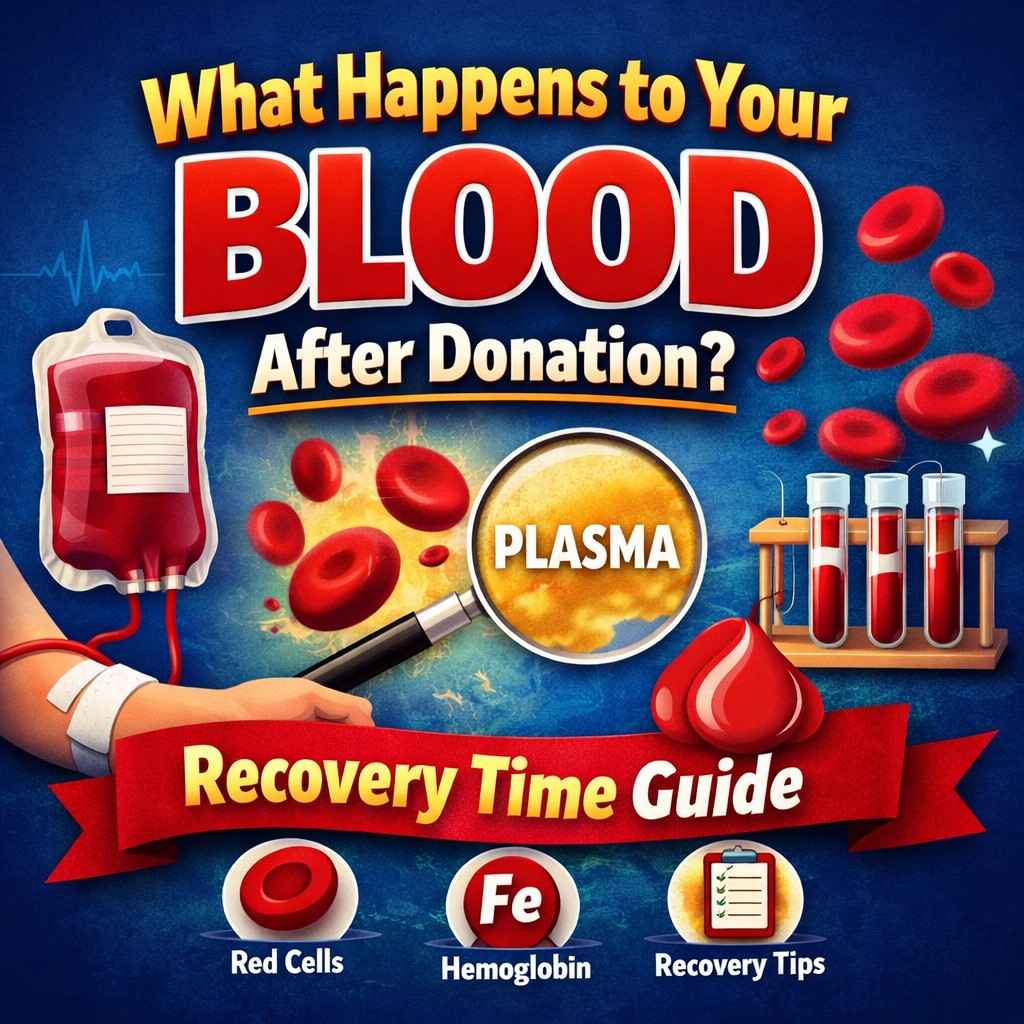
Blood consists of several components, and each recovers at a different pace:
1. Plasma Recovery Time
Plasma makes up about 55% of your blood and is mostly water.
-
Plasma volume usually returns to normal within 24 to 48 hours.
-
Drinking plenty of fluids helps speed up this process.
2. Red Blood Cell Recovery Time
Red blood cells carry oxygen throughout your body.
-
It generally takes 4 to 6 weeks for red blood cells to fully replenish.
-
This is why most blood donation centers recommend waiting 56 days (8 weeks) between whole blood donations.
3. Hemoglobin and Iron Levels
Hemoglobin contains iron and helps transport oxygen.
-
Hemoglobin levels typically recover within 2 to 3 weeks.
-
Iron stores may take several weeks to a few months to return to normal, especially in frequent donors.
Consuming iron-rich foods or supplements (if advised by a doctor) can help restore iron levels faster.
4. Platelet Recovery Time
Platelets help with blood clotting.
-
Platelet levels usually normalize within a few days to one week.
-
This is why platelet donors can sometimes donate more frequently under medical supervision.
Factors That Affect Blood Recovery Time
Recovery time may vary depending on several factors:
Individual Health
Healthy individuals recover faster than those with nutritional deficiencies or underlying health issues.
Diet
Iron-rich foods like spinach, beans, red meat, dates, and lentils support faster recovery.
Hydration
Proper hydration helps plasma volume return quickly.
Lifestyle
Adequate rest and avoiding strenuous activity after donation support better recovery.
Donation Frequency
Frequent donors may require more time for iron stores to rebuild.
How Can You Help Your Body Recover Faster?
Here are some simple tips to support blood regeneration:
✔ Drink More Fluids
Water, fruit juices, and electrolyte drinks help restore plasma levels.
✔ Eat Iron-Rich Foods
Include foods such as:
-
Green leafy vegetables
-
Pulses and legumes
-
Nuts and seeds
-
Eggs
-
Fortified cereals
✔ Consume Vitamin C
Vitamin C improves iron absorption. Add oranges, lemons, tomatoes, and amla to your diet.
✔ Avoid Heavy Exercise
Rest for at least 24 hours after donating blood.
✔ Get Proper Sleep
Good sleep supports overall recovery and energy levels.
Is It Safe to Donate Blood Regularly?
Yes, donating blood is safe when done within recommended intervals.
For whole blood donation:
-
Men can donate every 8 weeks
-
Women may be advised longer intervals depending on iron levels
Blood banks always check hemoglobin levels before donation to ensure donor safety.
Common Myths About Blood Replenishment
❌ Myth: Blood Takes Several Months to Recover
✅ Fact: Most blood components recover within weeks, not months.
❌ Myth: Donating Blood Makes You Weak Permanently
✅ Fact: Temporary tiredness may occur, but the body recovers naturally with proper care.
Why Understanding Blood Recovery Matters
Knowing how blood replenishment works encourages more people to donate regularly without fear. When donors feel informed and confident, they are more likely to become repeat donors — helping maintain a stable blood supply for patients in need. kaya scodelario nude
Final Thoughts
Your body is incredibly efficient at regenerating blood after donation. Plasma recovers within days, red blood cells within weeks, and iron stores gradually return with good nutrition. By staying hydrated, eating well, and resting properly, you can support faster recovery and continue making a life-saving impact.
Every donation counts — and your body is well-equipped to handle it.