Blood donation is a lifesaving act that supports patients during surgeries, accidents, childbirth complications, cancer treatment, and chronic illnesses. In India, blood donation is strictly regulated to ensure the safety of both donors and recipients. Following proper medical guidelines helps maintain a safe and reliable blood supply while protecting donor health.
This guide explains the medical guidelines for safe blood donation in India, based on recommendations followed by licensed blood banks and healthcare authorities.
Why Medical Guidelines Matter
Blood donation may seem simple, but it involves careful screening and medical standards. These guidelines are designed to:
-
Ensure donor safety before, during, and after donation
-
Prevent the spread of infections
-
Maintain the quality of collected blood
-
Protect patients who receive blood transfusions
By following these rules, blood donation becomes a safe and responsible process.
Basic Eligibility Criteria for Blood Donation in India
To donate blood safely, donors must meet certain eligibility conditions:
-
Age: 18 to 65 years
-
Weight: Minimum 45 kg
-
Hemoglobin level: At least 12.5 g/dL
-
Pulse: Regular (60–100 beats per minute)
-
Blood pressure: Within normal range
Individuals should be in good general health and free from acute illnesses at the time of donation.
Medical Conditions That May Restrict Donation
Certain health conditions can temporarily or permanently disqualify a person from donating blood. These include:
-
Fever, cold, cough, or active infection
-
Recent surgery or medical procedures
-
Pregnancy, miscarriage, or recent childbirth
-
Chronic conditions like uncontrolled diabetes or heart disease
-
History of hepatitis B or C, HIV, or other blood-borne infections
Temporary deferrals are common and meant to protect both donor and recipient. Many people can donate again after recovery.
Pre-Donation Medical Screening
Before donation, every donor undergoes a basic medical check-up that includes:
-
Hemoglobin testing
-
Blood pressure and pulse check
-
Body temperature check
-
Medical history questionnaire
This step ensures donors are fit and minimizes any health risks during donation.
Guidelines Before Donating Blood
To prepare for blood donation, donors should follow these medical suggestions:
-
Eat a light, healthy meal at least 2–3 hours before donation
-
Avoid alcohol for 24 hours before donation
-
Stay well-hydrated
-
Get adequate sleep the night before
-
Avoid smoking immediately before donation
These steps help prevent dizziness or weakness after donation.
Safe Blood Collection Process
Blood donation in India is carried out using:
-
Sterile, single-use needles
-
Disposable blood bags
-
Trained medical staff
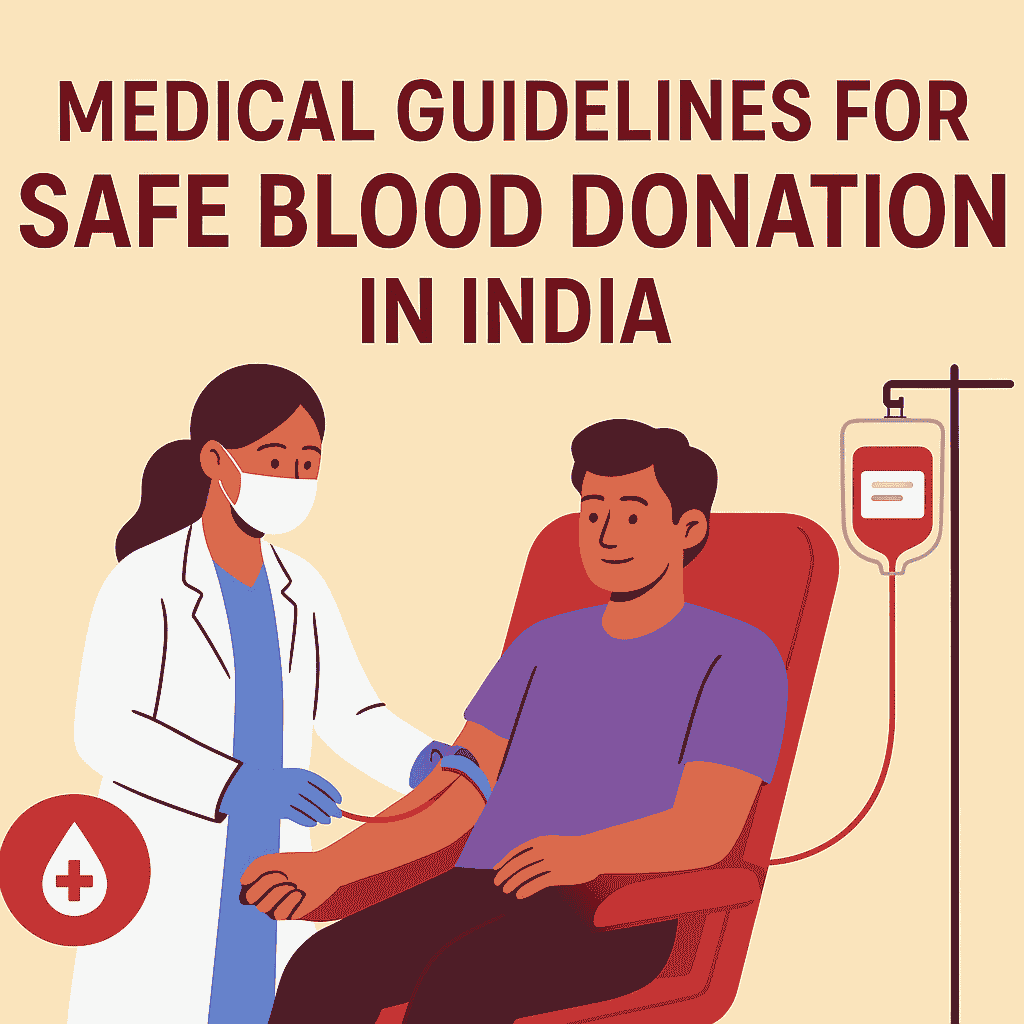
The process usually takes 8–10 minutes, during which about 350–450 ml of blood is collected. Strict hygiene standards are followed to avoid any risk of infection.
Post-Donation Care Guidelines
After donating blood, proper care supports quick recovery:
-
Rest for 10–15 minutes at the donation site
-
Drink fluids such as water or juice
-
Avoid heavy exercise or lifting weights for 24 hours
-
Keep the bandage on for a few hours
-
Inform staff if you feel dizzy or uncomfortable
Most donors return to normal activities the same day.
Frequency of Blood Donation in India
Medical guidelines recommend:
-
Men: Every 3 months (maximum 4 times a year)
-
Women: Every 4 months (maximum 3 times a year)
This spacing allows the body to replenish blood safely.
Importance of Voluntary Blood Donation
Voluntary, unpaid blood donation is considered the safest source of blood. Regular, healthy donors form the backbone of India’s blood supply and help hospitals respond quickly to emergencies.
Final Thoughts
Blood donation in India follows strict medical guidelines to ensure safety, quality, and trust. When donors understand and follow these guidelines, they help save lives without putting their own health at risk.
If you are healthy and eligible, donating blood is one of the simplest ways to make a meaningful difference. A single donation can save up to three lives, making you an everyday hero.