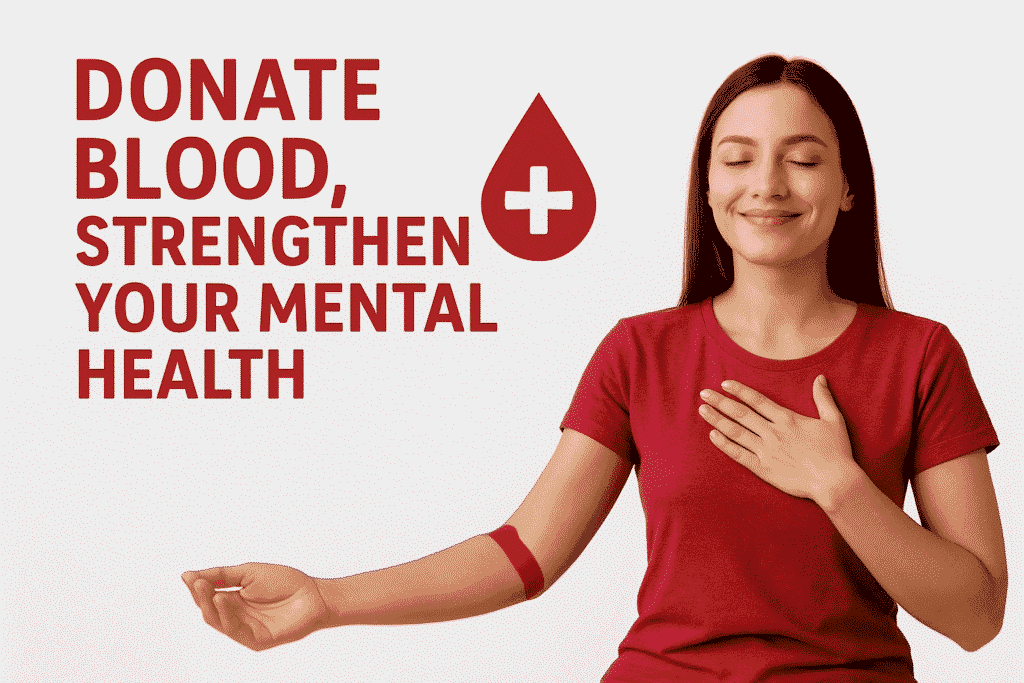
Blood donation is widely recognized for its life-saving impact, but beyond helping those in need, it also offers significant benefits for the donor—especially in terms of mental health. Many people may not realize that the simple act of donating blood can boost mood, reduce stress, and even provide a sense of purpose. Let’s explore how regular blood donation contributes to mental well-being.
1. A Sense of Purpose and Fulfillment
One of the most immediate mental health benefits of donating blood is the profound sense of purpose it provides. Knowing that your donation could save the life of someone in critical need gives donors a feeling of accomplishment and fulfillment. This altruistic act fosters positivity, self-worth, and an overall sense of contribution to society, which can be particularly uplifting for individuals experiencing stress or low mood.
2. Reduced Stress and Anxiety
Several studies suggest that engaging in prosocial activities, such as blood donation, can help reduce stress and anxiety. When donors focus on the needs of others, it diverts attention away from personal worries, creating a mental break that promotes relaxation. The act of giving triggers the release of endorphins, the body’s natural “feel-good” hormones, which enhance mood and provide a calming effect.
3. Boost in Emotional Well-being
Regular blood donation encourages positive emotions like empathy, compassion, and gratitude. Donors often feel a strong connection to the community, knowing their contribution directly supports patients in need. This emotional upliftment helps improve overall well-being, combats feelings of isolation, and promotes a sense of belonging.
4. Psychological Rewards of Routine Donation
Establishing a routine of donating blood can provide structure and consistency in one’s life. Regular donors often experience a mental boost by marking these visits as meaningful milestones. The ritual of helping others on a recurring basis reinforces personal values, strengthens resilience, and fosters a habit of selfless action that contributes to long-term mental health benefits.
5. Social Interaction and Community Connection
Blood donation often takes place in organized drives or donation centers, offering opportunities for social interaction. Meeting other donors, healthcare professionals, and volunteers can help reduce feelings of loneliness and enhance social well-being. Being part of a community united by a shared cause can create a sense of camaraderie and support, which is essential for maintaining mental health.
6. Alleviating Negative Emotions
Engaging in altruistic activities like blood donation is known to help alleviate negative emotions such as guilt, sadness, or anger. Helping someone in critical need creates a positive emotional feedback loop, where donors feel empowered and capable, enhancing self-esteem and reducing feelings of helplessness or depression.
7. Encouraging Mindfulness and Gratitude
Donating blood requires a moment of pause, reflection, and presence. Many donors report feeling a heightened sense of mindfulness and gratitude during and after the donation process. Recognizing the value of one’s contribution fosters emotional clarity and encourages a more positive perspective on life.
Final Thoughts
While blood donation is primarily celebrated for saving lives, the benefits for donors’ mental health are equally remarkable. Regular donors experience increased emotional well-being, reduced stress, improved self-esteem, and a stronger connection to their community. By giving blood, individuals not only provide a critical resource to those in need but also nurture their own mental and emotional health.