Blood donation is often described as a simple act that can save lives. What makes the situation puzzling, however, is that millions of people are medically eligible to donate blood, yet hospitals and blood banks frequently report shortages. If the donor base is so large, why does the gap still exist?
The answer lies not in eligibility alone, but in awareness, behavior, logistics, and perception. Understanding these factors helps explain why blood shortages remain a global and national challenge.
1. Low Awareness Doesn’t Mean Low Willingness
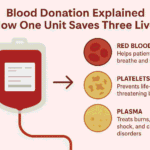
Many eligible donors are simply not aware of the constant need for blood. Most people assume blood banks are always well-stocked unless there’s an emergency. In reality, blood has a limited shelf life—red blood cells last about 42 days, platelets just 5–7 days—meaning a continuous supply is required.
Blood donation often comes into public focus only during crises, accidents, or disasters. Outside these moments, the urgency fades from everyday conversations, leading to fewer regular donors.
2. Fear, Myths, and Misconceptions
A major reason for low participation is fear. Many people worry that donating blood will make them weak, cause long-term health issues, or be painful. Despite scientific evidence proving otherwise, myths continue to discourage potential donors.
Common misconceptions include:
-
Blood donation causes severe weakness
-
Donors won’t recover quickly
-
The process is unsafe
-
It’s painful or risky
These fears, when left unaddressed, quietly reduce donor turnout.
3. Inconvenience and Time Constraints
Modern lifestyles are busy. Even willing donors often postpone donation because of time constraints, location issues, or lack of nearby camps. Blood donation requires planning—traveling to a center, waiting, and recovery time—which can feel overwhelming for people juggling work and family responsibilities.
When donation isn’t easily accessible, interest doesn’t always convert into action.
4. Lack of Regular Donors
One-time donors form a large part of the donor base, but regular donors are far fewer. Blood banks depend heavily on repeat donors to maintain stable supplies.
Many first-time donors don’t return simply because:
-
They aren’t followed up with
-
There’s no reminder system
-
They don’t realize they can donate again safely
Without structured engagement, eligible donors slowly drift away.
5. Uneven Distribution of Donors
Blood shortages often aren’t about overall numbers—they’re about where blood is available. Urban areas may see better donation rates, while rural or remote regions struggle.
Similarly, certain blood groups—especially rare blood types—are perpetually in short supply. Even if millions can donate, matching the right blood group at the right place and time is a major challenge.
6. Seasonal Drops and Emergency Spikes
Blood donation trends are not consistent year-round. Donations often drop during:
-
Festivals
-
Extreme weather
-
Exam seasons
-
Holidays
At the same time, demand doesn’t slow down. Accidents, surgeries, childbirth complications, cancer treatments, and chronic illnesses require blood daily. This imbalance leads to frequent shortages.
7. Limited Awareness Campaigns and Engagement
Unlike other public health initiatives, blood donation campaigns often lack consistent, long-term engagement. Awareness efforts are event-based rather than sustained, which makes it hard to build a donation habit.
People are more likely to donate when:
-
Education is continuous
-
Stories are shared
-
Impact is visible
Without emotional and informational reinforcement, motivation fades.
Moving from Eligibility to Action
Blood shortages don’t exist because people don’t care—they exist because the system relies on intention instead of habit. Bridging this gap requires:
-
Regular awareness programs
-
Myth-breaking education
-
Easy and accessible donation options
-
Digital reminders and donor tracking
-
Story-driven campaigns that show real impact
When eligible donors become regular donors, shortages decline.
Conclusion
Having millions of eligible donors doesn’t guarantee a stable blood supply. Awareness, accessibility, trust, and consistency play a much bigger role. Solving blood shortages requires more than eligibility—it demands education, engagement, and a culture of regular donation.