Category: Blood Donation

  • How Nutrition Affects Blood Quality and Hemoglobin Levels

    How Nutrition Affects Blood Quality and Hemoglobin Levels

    Blood plays a vital role in keeping the body healthy by transporting oxygen, nutrients, hormones, and waste products. One of the most important components of blood is hemoglobin, a protein found in red blood cells that carries oxygen from the lungs to the rest of the body. Maintaining good blood quality and healthy hemoglobin levels largely depends on proper nutrition. What we eat directly influences how efficiently our blood functions and how well our body stays energized and disease-free.

    Understanding Blood Quality and Hemoglobin

    Blood quality refers to the overall health and efficiency of blood components, including red blood cells, white blood cells, platelets, and plasma. Hemoglobin levels are a key indicator of blood health. Low hemoglobin can lead to conditions like anemia, causing fatigue, weakness, dizziness, and reduced immunity.

    Nutrition plays a crucial role in the production of red blood cells and hemoglobin. Without the right nutrients, the body cannot produce enough healthy blood cells, leading to poor oxygen delivery and overall health issues.

    Key Nutrients That Improve Blood Quality

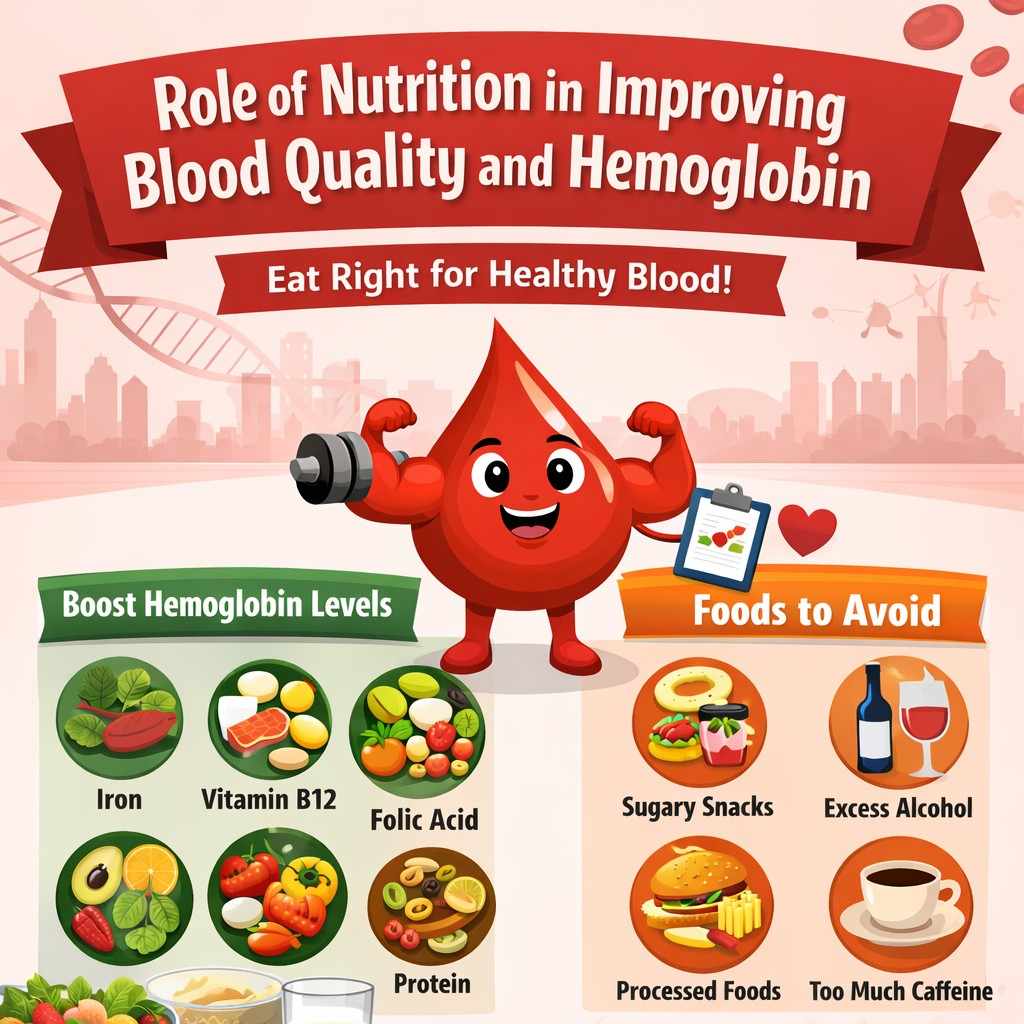
    1. Iron – The Building Block of Hemoglobin

    Iron is the most essential nutrient for hemoglobin production. It helps form hemoglobin molecules that bind oxygen. Iron deficiency is one of the leading causes of low hemoglobin levels worldwide.

    Iron-rich foods include:

    • Spinach and other leafy greens

    • Lentils, beans, and chickpeas

    • Red meat and liver

    • Dates, raisins, and jaggery

    • Fortified cereals

    Consuming vitamin C along with iron-rich foods helps improve iron absorption.

    2. Vitamin B12 – Supporting Red Blood Cell Formation

    Vitamin B12 is essential for the formation and maturation of red blood cells. A deficiency can result in enlarged, unhealthy red blood cells and reduced oxygen delivery.

    Sources of Vitamin B12:

    • Milk, curd, and cheese

    • Eggs

    • Fish and meat

    • Fortified plant-based foods

    Vegetarians and vegans are more prone to B12 deficiency and may need supplementation under medical guidance.

    3. Folic Acid (Vitamin B9) – Promoting Healthy Blood Cells

    Folic acid supports DNA synthesis and helps produce healthy red blood cells. Low folate levels can cause anemia and fatigue.

    Folate-rich foods include:

    • Green leafy vegetables

    • Citrus fruits

    • Avocados

    • Peanuts and legumes

    • Whole grains

    4. Vitamin C – Enhancing Iron Absorption

    Vitamin C does not directly increase hemoglobin but significantly improves the body’s ability to absorb iron from plant-based foods.

    Good sources of Vitamin C:

    • Oranges and lemons

    • Guava

    • Bell peppers

    • Strawberries

    • Tomatoes

    5. Protein – Essential for Blood Cell Production

    Proteins are required to build red blood cells and plasma proteins. A protein-deficient diet can negatively affect blood quality.

    Protein-rich foods include:

    • Eggs

    • Dairy products

    • Pulses and legumes

    • Nuts and seeds

    • Lean meat and fish

    Foods That May Negatively Affect Blood Quality

    Certain foods and habits can interfere with nutrient absorption or blood health if consumed excessively:

    • Tea and coffee reduce iron absorption when consumed with meals

    • Highly processed foods lack essential nutrients

    • Excess alcohol can interfere with red blood cell production

    • High sugar intake can impact overall blood health

    Moderation and balanced eating are key to maintaining healthy blood quality.

    Nutrition Tips to Maintain Healthy Hemoglobin Levels

    • Eat a balanced diet rich in iron, vitamins, and protein

    • Combine iron-rich foods with vitamin C sources

    • Stay well-hydrated to maintain blood volume

    • Avoid skipping meals

    • Get regular blood tests to monitor hemoglobin levels

    Conclusion

    Nutrition has a direct and powerful impact on blood quality and hemoglobin levels. A diet rich in iron, vitamins, protein, and minerals supports healthy red blood cell production and ensures efficient oxygen transport throughout the body. By making mindful food choices and maintaining a balanced diet, individuals can significantly improve their blood health, boost energy levels, and reduce the risk of anemia.

    Healthy blood begins on your plate—and small nutritional changes can make a big difference in overall well-being.
  • How to Handle Dizziness or Fatigue After Blood Donation

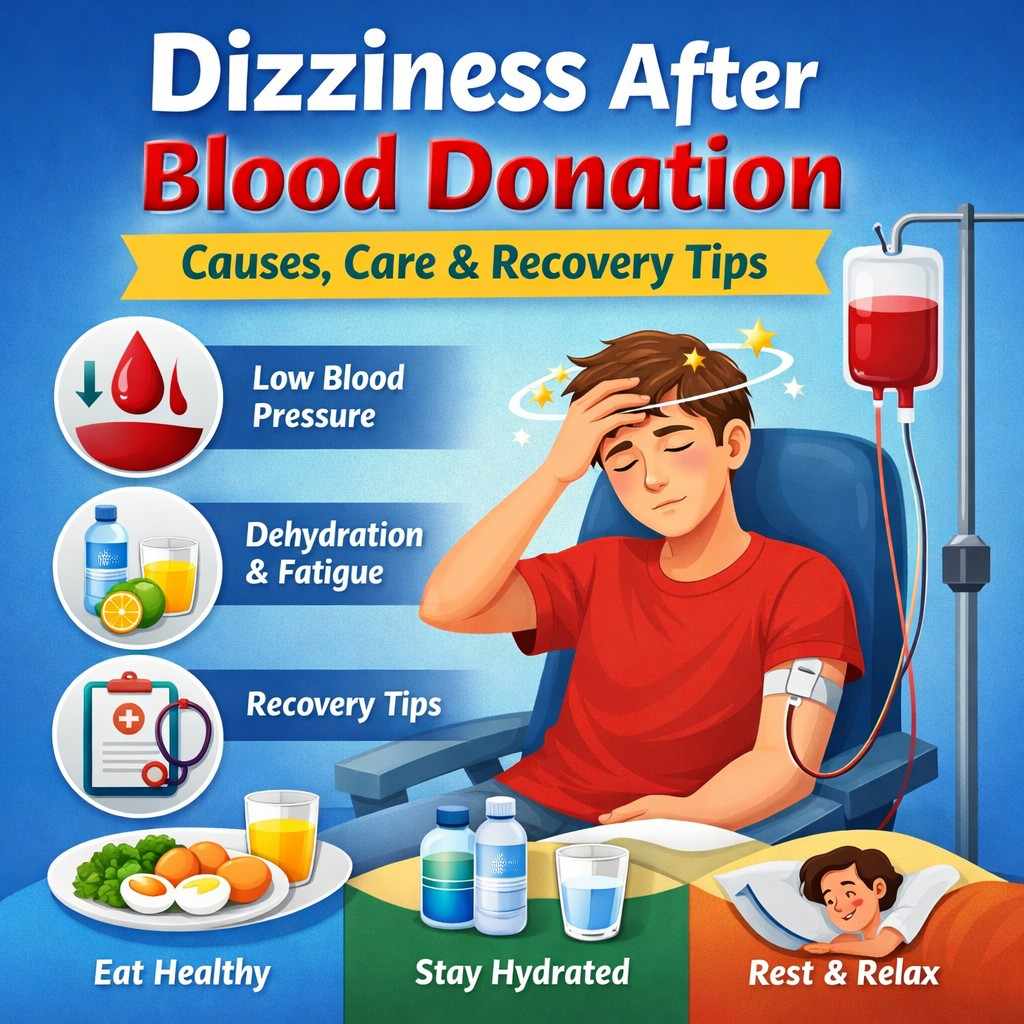
    How to Handle Dizziness or Fatigue After Blood Donation

    Blood donation is a noble act that helps save lives, but some donors—especially first-time donors—may experience mild dizziness or fatigue after donating blood. This reaction is usually temporary and completely normal. Understanding why it happens and knowing how to manage it can help ensure a safe and comfortable recovery after donation.

    Why Dizziness or Fatigue Occurs After Blood Donation

    During blood donation, approximately 350–450 ml of blood is collected. This temporary reduction in blood volume can cause a drop in blood pressure, leading to lightheadedness or fatigue. In some cases, dehydration, low blood sugar, anxiety, or standing up too quickly after donation may contribute to these symptoms. The body typically restores the lost blood volume within 24–48 hours, while red blood cells are replenished over a few weeks.

    Immediate Steps to Take After Donation

    Right after donating blood, it’s important to rest for a short period. Most donation centers recommend sitting or lying down for 10–15 minutes. This allows your body to adjust and helps prevent sudden drops in blood pressure. Avoid getting up too quickly, and if you feel lightheaded, inform the staff immediately so they can assist you.

    Drinking fluids is essential. Water, fruit juice, or electrolyte drinks help restore lost fluids and improve circulation. Avoid alcohol for at least 24 hours, as it can increase dehydration and worsen dizziness.

    Eat the Right Foods for Recovery

    Eating a light, nutritious meal after donation plays a key role in reducing fatigue. Choose foods rich in iron, protein, and complex carbohydrates. Iron-rich foods such as spinach, lentils, beans, eggs, and lean meats help replenish iron levels, while fruits like oranges or lemons enhance iron absorption due to their vitamin C content.

    Avoid skipping meals after donating blood. Low blood sugar can increase feelings of weakness or dizziness, especially if you donated on an empty stomach.

    Take It Easy for the Rest of the Day

    After donating blood, avoid heavy exercise, gym workouts, or strenuous physical activities for at least 24 hours. Intense activity can divert blood flow to muscles, increasing the risk of dizziness or fainting. Light activities such as walking or stretching are usually safe if you feel comfortable.

    Also, avoid standing for long periods and be cautious when climbing stairs or driving immediately after donation. If your job involves physical labor, consider taking the rest of the day off or performing lighter tasks.

    Manage Dizziness Safely

    If you feel dizzy at any point after leaving the donation center, sit or lie down immediately. Elevating your legs can help improve blood flow to the brain and reduce lightheadedness. Deep, slow breathing can also help calm the nervous system and stabilize blood pressure. corina kopf leak

    In case of nausea or excessive sweating, loosen tight clothing and sip water slowly. Most symptoms resolve within a few minutes when handled correctly.

    Stay Hydrated and Rest Well

    Hydration doesn’t stop after the donation center visit. Continue drinking fluids throughout the day and the following day. Proper sleep is equally important. A good night’s rest allows the body to recover faster and helps reduce lingering fatigue.

    When to Seek Medical Help

    Mild dizziness and fatigue usually disappear within a few hours. However, seek medical attention if symptoms persist beyond 24 hours, worsen, or are accompanied by fainting, chest pain, or severe weakness. These symptoms are rare but should not be ignored.

    Final Thoughts

    Experiencing dizziness or fatigue after blood donation is common and temporary. With proper hydration, nutrition, rest, and mindful activity, most donors recover quickly and comfortably. Preparing well before donation and following post-donation care guidelines ensures a positive experience—making it easier to donate again and continue saving lives.

  • Fitness & Blood Donation: Essential Guidelines for Active Donors

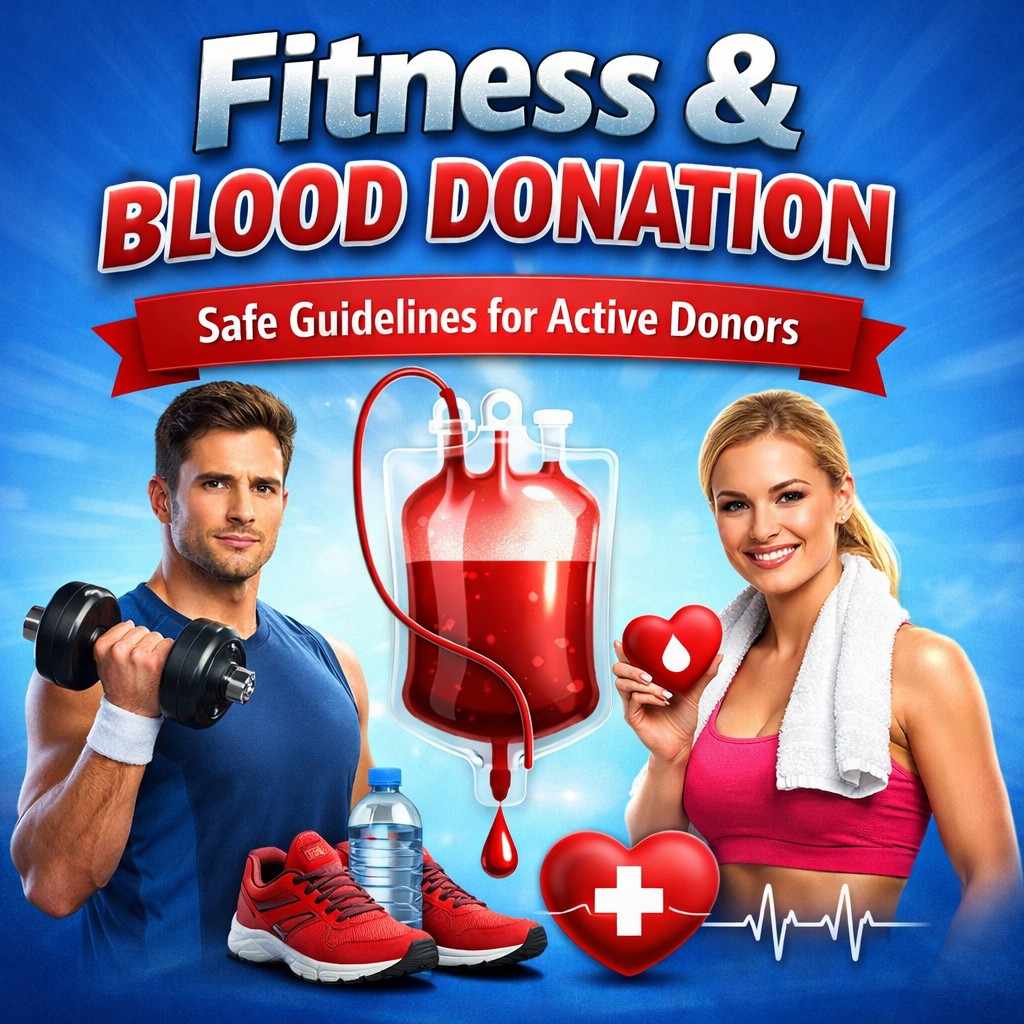
    Fitness & Blood Donation: Essential Guidelines for Active Donors

    Staying physically active is a sign of good health, and many fitness enthusiasts also want to contribute to society by donating blood. The good news is that being fit can actually make you a great blood donor. However, active individuals should follow certain guidelines before and after donating blood to ensure safety, quick recovery, and continued performance. This guide explains everything active donors need to know.

    Can Physically Active People Donate Blood?

    Yes, absolutely. Regular exercise does not prevent you from donating blood. In fact, individuals who maintain a healthy lifestyle often meet the basic eligibility requirements more easily, such as having good hemoglobin levels, stable blood pressure, and overall wellness. That said, timing and preparation are important—especially if you train frequently or intensely.

    Preparing for Blood Donation as an Active Donor

    Proper preparation helps prevent fatigue or dizziness after donation.

    • Stay hydrated: Drink plenty of water 24 hours before donating blood. Hydration supports blood volume and circulation.

    • Eat a balanced meal: Include iron-rich foods like spinach, lentils, beans, eggs, and lean meats. Avoid donating on an empty stomach.

    • Avoid intense workouts: Skip heavy lifting or high-intensity training on the day of donation to reduce strain on your body.

    • Get enough sleep: A good night’s rest ensures stable energy levels and smooth recovery.

    What Happens to Your Body After Donation?

    When you donate blood, your body temporarily loses red blood cells and plasma. Plasma is replaced within 24–48 hours, while red blood cells may take a few weeks to return to normal levels. Active donors might feel slightly tired or light-headed if they resume intense physical activity too soon.

    This doesn’t mean you’ll lose strength or endurance long-term—it simply means your body needs time to rebalance.

    Post-Donation Fitness Guidelines

    Recovery is especially important for athletes and gym-goers.

    • Rest for 24 hours: Avoid workouts, running, or sports for at least a day after donating blood.

    • Start light: Resume exercise with low-intensity activities such as walking or gentle stretching.

    • Avoid heavy lifting: Weight training should be postponed for 48 hours to prevent muscle strain or dizziness.

    • Listen to your body: If you feel tired, slow down. Everyone recovers at a different pace.

    Nutrition Tips for Active Blood Donors

    Fueling your body correctly speeds up recovery and supports performance.

    • Increase iron intake: Foods like beetroot, dates, pomegranate, green leafy vegetables, and fortified cereals help replenish iron levels. bhad bhabie leaked onlyfans

    • Add vitamin C: Citrus fruits help your body absorb iron more efficiently.

    • Stay hydrated: Continue drinking water, coconut water, or fresh juices after donation.

    • Avoid alcohol: Alcohol can increase dehydration and delay recovery.

    Common Myths About Fitness and Blood Donation

    Myth: Donating blood will reduce muscle strength.
    Fact: Blood donation does not cause muscle loss or long-term weakness.

    Myth: Athletes should not donate blood.
    Fact: Many professional athletes donate blood safely by planning their training schedules wisely.

    When Should Active Donors Avoid Donating?

    You should postpone blood donation if:

    • You’ve recently completed a marathon or intense competition

    • You’re recovering from an injury or illness

    • You feel unusually fatigued or dehydrated

    Waiting until your body is fully recovered ensures both your safety and the quality of donated blood.

    Final Thoughts

    Fitness and blood donation go hand in hand when done responsibly. By preparing well, resting adequately, and maintaining proper nutrition, active donors can continue training while making a life-saving impact. Blood donation is not just a noble act—it’s a powerful reminder that a healthy body can help save lives.

  • How to Organize a Community Blood Donation Camp

    How to Organize a Community Blood Donation Camp

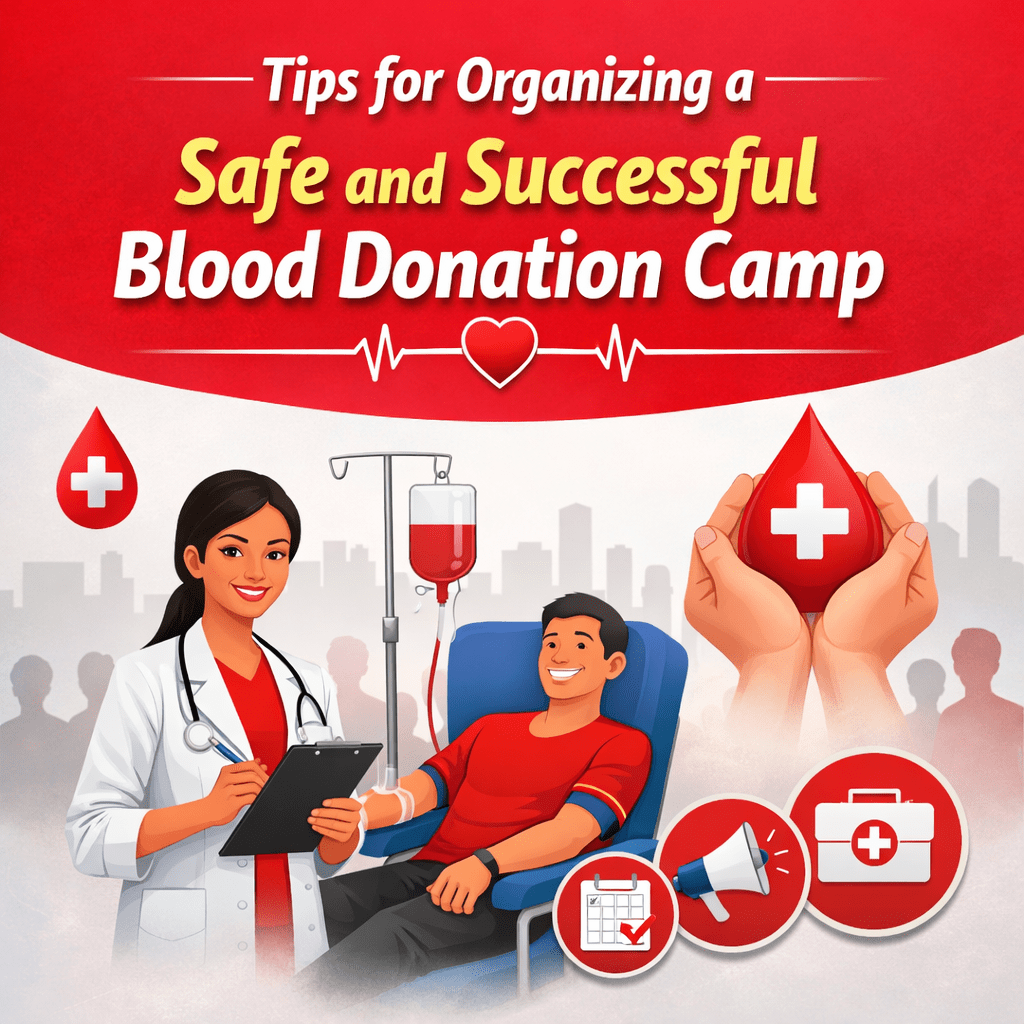
    Organizing a community blood donation camp is a meaningful way to contribute to society and save lives. Blood is a critical resource in hospitals, and voluntary donation ensures that patients in need of transfusions have access to safe and timely blood. Whether you are part of an organization, college, or community group, hosting a blood donation camp can make a significant impact. Here’s a comprehensive guide on how to organize a successful camp.

    1. Plan Ahead and Set Objectives

    The first step in organizing a blood donation camp is planning. Identify the primary objective—is it to increase awareness, collect a certain number of units, or encourage first-time donors? Determine the target audience such as college students, office employees, or local residents. Clear objectives will help in designing an effective campaign and measuring success.

    2. Partner with a Certified Blood Bank

    Collaborating with a reliable and certified blood bank is crucial. They will provide the necessary medical equipment, trained staff, and ensure the blood collection follows safety and hygiene protocols. Reach out early to finalize the date, location, and logistics. Blood banks may also provide promotional material and help with pre-donation screening.

    3. Choose a Suitable Venue

    Select a venue that is easily accessible and has sufficient space for registration, waiting areas, and donation beds. Ensure the venue is well-ventilated, clean, and comfortable for donors. Schools, community halls, corporate offices, or college auditoriums are commonly used venues.

    4. Schedule and Timing

    Decide on a date and duration for the camp. Weekends or public holidays are ideal since more people are likely to participate. Keep the camp open for at least 4–6 hours to accommodate donors throughout the day.

    5. Promote the Blood Donation Camp

    Effective promotion is key to attracting donors. Use a combination of methods:

    • Social Media: Share posts and event pages on platforms like Facebook, Instagram, and LinkedIn.

    • Posters and Flyers: Place them in high-traffic areas within your community or organization.

    • Email and WhatsApp: Send reminders to employees, students, or community members.

    • Word of Mouth: Encourage volunteers to spread the word.

    Highlight the impact of donation and the importance of saving lives to motivate participation.

    6. Prepare for On-Site Logistics

    Ensure that all logistics are well-organized:

    • Registration Desk: For collecting donor details and verifying eligibility.

    • Pre-Donation Screening: Medical personnel should check hemoglobin levels, blood pressure, and general health.

    • Donation Area: Comfortable beds and chairs for donors, with privacy screens if possible.

    • Post-Donation Area: Provide refreshments and snacks to help donors recover.

    • Emergency Preparedness: Have first-aid kits and trained staff ready for any adverse reactions.

    7. Engage Volunteers

    Volunteers can assist in registration, guiding donors, distributing refreshments, and helping with post-donation monitoring. They also help create a friendly and welcoming environment for donors, making the experience more enjoyable.

    8. Follow Up After the Camp

    After the camp, thank all donors, volunteers, and partners through emails, social media, or messages. Share the impact of the camp, such as total units of blood collected and the number of lives potentially saved. This encourages continued participation in future drives.

    9. Ensure Compliance and Safety

    Make sure the entire process adheres to medical safety standards. The blood bank will ensure proper screening and handling of collected blood. Additionally, maintain hygiene protocols and observe donor eligibility guidelines.

    Conclusion

    Organizing a community blood donation camp is a rewarding initiative that strengthens community ties and saves lives. With careful planning, collaboration with certified blood banks, effective promotion, and smooth execution, your camp can make a meaningful impact. Encourage repeat donors, maintain safety standards, and celebrate the collective effort to make blood donation a regular part of community service.

  • Blood Compatibility Between Siblings: What You Should Know

    Blood Compatibility Between Siblings: What You Should Know

    Blood compatibility between siblings is a topic that often comes up during medical emergencies, blood donations, and family health discussions. Many people assume that brothers and sisters always have compatible blood types, but genetics makes this more complex. Understanding how blood groups are inherited and how compatibility works can help families make informed decisions during critical situations.

    How Blood Groups Are Inherited

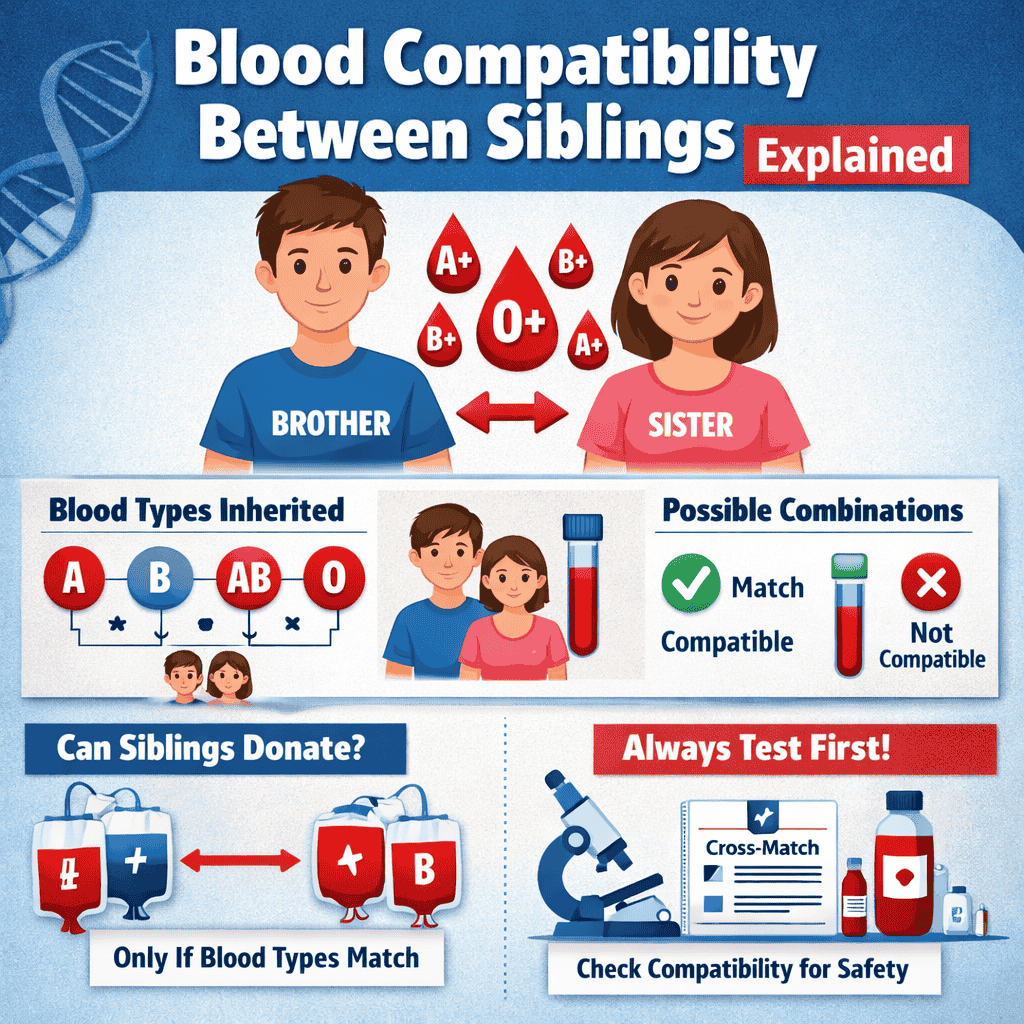
    Blood type is inherited from parents through genes. Each parent contributes one gene that determines a child’s blood group. The most common blood group system is the ABO system, which includes A, B, AB, and O blood types. Another crucial factor is the Rh factor, which is either positive (+) or negative (–).

    Because siblings inherit different combinations of genes, it is entirely possible for them to have different blood types—even though they share the same parents. For example, if both parents carry genes for blood group A and O, one sibling might have blood group A while another could have blood group O.

    Can Siblings Have the Same Blood Group?

    Yes, siblings can have the same blood group, but it is not guaranteed. Some families have multiple children with identical blood types, while others have siblings with completely different blood groups and Rh factors. The variation depends on the genetic combinations passed down from the parents.

    Even when siblings share the same ABO blood group, their Rh factor may differ. One sibling could be A positive, while another could be A negative, which affects blood compatibility for transfusions.

    Are Siblings Always Blood-Compatible?

    No, siblings are not always blood-compatible. Blood compatibility depends on both the ABO blood group and the Rh factor. For a safe blood transfusion, the donor’s blood must be compatible with the recipient’s blood type to avoid serious immune reactions.

    For example:

    • A sibling with blood group O negative can donate blood to most other siblings.

    • A sibling with blood group AB positive can receive blood from most blood types but can donate only to AB positive recipients.

    • If one sibling is Rh-negative and the other is Rh-positive, compatibility depends on who is donating and who is receiving.

    This means that even close blood relations like siblings must undergo proper blood typing and cross-matching before any transfusion.

    Can Siblings Donate Blood to Each Other?

    Siblings can donate blood to each other only if their blood types are compatible. In emergency situations, family members are often considered first because they are readily available and willing to help. However, medical professionals never rely solely on family relationships—they always test blood samples to ensure safety.

    It is also important to note that blood donation rules apply equally to siblings. Donors must meet health, age, weight, and hemoglobin requirements before they are eligible to donate blood.

    Special Cases: Bone Marrow and Organ Donation

    While blood compatibility is important, siblings are often especially significant in bone marrow and organ donation. Siblings have a higher chance of being a close genetic match for bone marrow transplants compared to unrelated donors. However, even in these cases, compatibility testing is essential, and not all siblings will be suitable donors.

    Why Knowing Sibling Blood Groups Matters

    Knowing the blood groups of siblings can be life-saving in emergencies. In cases of accidents, surgeries, or medical complications, having immediate access to a compatible donor can reduce delays in treatment. It also helps families prepare for situations involving rare blood types.

    Additionally, understanding family blood group patterns can be useful for medical history records and future health planning.

    Key Takeaways

    • Siblings may or may not share the same blood group due to genetic variation.

    • Blood compatibility depends on both the ABO system and the Rh factor.

    • Siblings are not automatically compatible for blood transfusions.

    • Proper testing and cross-matching are always required before donation.

    • Knowing the blood groups of family members can be crucial in emergencies.

  • How Long Does Donated Blood Last? Storage, Shelf Life & Usage

    How Long Does Donated Blood Last? Storage, Shelf Life & Usage

    Blood donation saves millions of lives every year, yet many people don’t realize that donated blood has a limited shelf life. Blood cannot be stored forever, which is why continuous donations are critical for hospitals and blood banks. Understanding how long donated blood lasts, how it is stored, and how it is used can help people appreciate the urgency and importance of regular blood donation.

    How Is Donated Blood Stored?

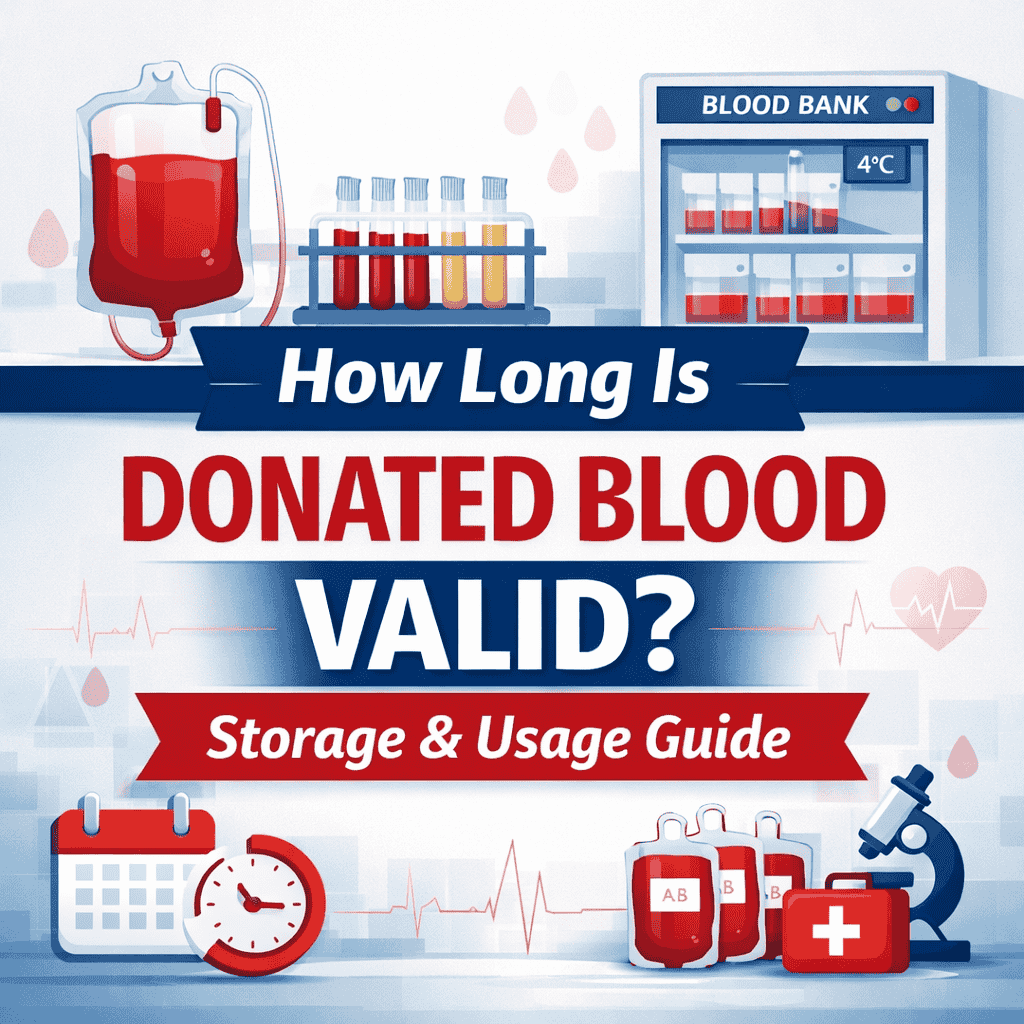
    After a donor gives blood, it is carefully collected, tested, processed, and stored under strict medical guidelines. Blood banks follow national and international safety standards to ensure that donated blood remains safe and effective for patients.

    Once collected, blood is usually separated into different components:

    • Red Blood Cells

    • Plasma

    • Platelets

    Each component serves a different medical purpose and has a different storage method and shelf life. This separation helps maximize the impact of a single blood donation, allowing it to help multiple patients.

    Shelf Life of Donated Blood Components

    1. Red Blood Cells (RBCs)

    Red blood cells are the most commonly used blood component, especially in surgeries, accident cases, and for patients with anemia.

    • Shelf life: Up to 42 days

    • Storage temperature: 2°C to 6°C (refrigerated)

    After 42 days, red blood cells can no longer be used and must be discarded, even if they are perfectly safe otherwise.

    2. Platelets

    Platelets are crucial for patients with cancer, dengue, severe infections, or bleeding disorders. However, they have the shortest shelf life. Bhad Bhabie reddit

    • Shelf life: Only 5 days

    • Storage temperature: 20°C to 24°C (room temperature) with continuous agitation

    Because platelets expire so quickly, blood banks often face shortages, making frequent donations extremely important.

    3. Plasma

    Plasma is the liquid part of blood and is often used for burn victims, liver disease patients, and clotting disorders.

    • Shelf life: Up to 1 year when frozen

    • Storage temperature: Below –18°C

    Plasma’s longer shelf life allows it to be stored for emergency situations and large-scale medical needs.

    Why Does Donated Blood Expire?

    Blood is a living tissue made up of cells. Over time, these cells lose their ability to function effectively. Even under ideal storage conditions, red blood cells weaken, platelets lose effectiveness, and the risk of contamination increases.

    This is why blood banks cannot stockpile blood indefinitely and must rely on regular, voluntary blood donations to meet daily medical demands.

    How Is Donated Blood Used?

    Donated blood plays a vital role in many medical situations, including:

    • Road accident and trauma cases

    • Major surgeries and organ transplants

    • Cancer and chemotherapy treatments

    • Childbirth complications

    • Patients with thalassemia and blood disorders

    • Burn victims and ICU patients

    In emergencies, every minute matters. Having readily available, unexpired blood can mean the difference between life and death.

    Why Regular Blood Donation Is Essential

    Because blood components have different shelf lives, blood banks need a continuous flow of donors, not just donations during campaigns or special days. Platelets expire in just five days, and red blood cells last only six weeks. This makes regular donations essential to maintain a stable blood supply.

    Unfortunately, blood shortages are common, especially during festivals, holidays, and disasters. Platforms like BloodSaathi help bridge this gap by connecting donors and patients quickly during emergencies.

    How BloodSaathi Helps Save Lives

    BloodSaathi plays a critical role in ensuring timely access to blood by:

    • Connecting donors with patients in urgent need

    • Reducing delays during medical emergencies

    • Encouraging regular and voluntary blood donation

    • Building a reliable blood donor community

    By enabling faster communication and donor matching, BloodSaathi helps ensure that precious donated blood is used before it expires.

    Final Thoughts

    Donated blood is precious—but it is also perishable. Understanding its shelf life highlights why every donation matters and why regular donors are true lifesavers. One small act of donating blood can help multiple patients, but only if donations continue consistently.

    Be proactive. Be informed. Be a BloodSaathi—because someone, somewhere, needs blood today.

  • Common Mistakes First-Time Blood Donors Should Avoid

    Common Mistakes First-Time Blood Donors Should Avoid

    Donating blood for the first time is a generous and life-saving decision. While the process is safe and simple, many first-time donors unknowingly make small mistakes that can cause discomfort, anxiety, or even prevent them from donating successfully. Being informed beforehand helps ensure a smooth experience and encourages long-term donation habits.

    Here are some of the most common mistakes first-time blood donors should avoid—and how to prepare better.

    1. Donating on an Empty Stomach

    One of the biggest mistakes first-time donors make is skipping meals before donation. Donating blood on an empty stomach can lead to dizziness, weakness, nausea, or fainting.

    What to do instead:
    Eat a light, balanced meal 2–3 hours before donating. Include fruits, whole grains, and iron-rich foods like leafy vegetables, lentils, or eggs. Avoid heavy, oily, or junk food just before donation.

    2. Not Drinking Enough Fluids

    Many donors underestimate the importance of hydration. Dehydration can make veins harder to locate and increase the chances of feeling lightheaded after donation.

    What to do instead:
    Drink plenty of water before and after donating blood. Staying hydrated helps maintain healthy blood pressure and supports quicker recovery.

    3. Ignoring Eligibility Requirements

    Some first-time donors arrive without checking basic eligibility criteria such as age, weight, recent illness, travel history, or medication use. This can result in last-minute deferral, which may feel discouraging.

    What to do instead:
    Review eligibility guidelines in advance and be honest during the screening process. These rules exist to protect both the donor and the recipient.

    4. Letting Fear Take Over

    Fear of needles or anxiety about the process is common among first-time donors. However, excessive nervousness can make the experience uncomfortable.

    What to do instead:
    Relax, take deep breaths, and communicate openly with the medical staff. The donation process usually takes only a few minutes and is handled by trained professionals.

    5. Wearing Inappropriate Clothing

    Tight sleeves or uncomfortable clothing can make the donation process inconvenient and uncomfortable.

    What to do instead:
    Wear loose, comfortable clothing with sleeves that can be rolled up easily. Comfort helps you stay relaxed during the donation.

    6. Overdoing Physical Activity After Donation

    Some donors resume heavy exercise or physically demanding work immediately after donating, which can lead to fatigue, dizziness, or weakness.

    What to do instead:
    Rest for a few hours after donation. Avoid strenuous exercise, lifting heavy objects, or long outdoor activities on the same day.

    7. Skipping Post-Donation Care

    Ignoring post-donation instructions—such as skipping snacks or hydration—is another common mistake.

    What to do instead:
    Have a snack, drink fluids, and stay seated for a few minutes after donation. If you feel dizzy or unwell, inform the staff immediately.

    8. Believing One Donation Is Enough

    While one donation can save lives, blood is needed every day. Many first-time donors don’t return simply because they don’t realize the ongoing need.

    What to do instead:
    If you’re healthy and eligible, consider making blood donation a regular habit. Consistent donors play a crucial role in maintaining a stable blood supply.

    Conclusion

    First-time blood donation is a meaningful step toward helping others in critical need. By avoiding these common mistakes and preparing properly, donors can ensure a safe, comfortable experience and feel confident about donating again.

    Blood donation is not just a one-time act—it’s a responsibility that saves lives, strengthens communities, and reflects the best of humanity. 🩸

  • How Blood Donation Helps Mothers During Childbirth

    How Blood Donation Helps Mothers During Childbirth

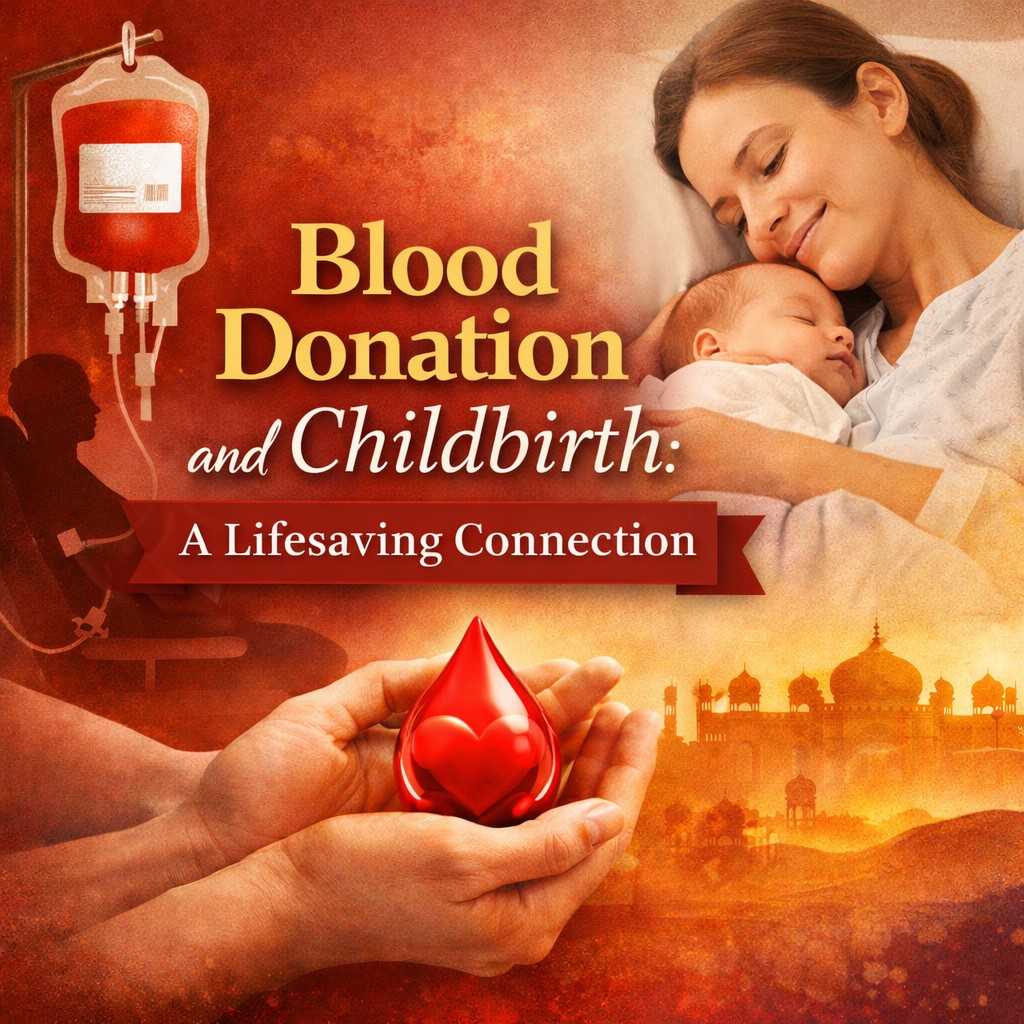
    Childbirth is one of the most critical and life-changing moments in a woman’s life. While modern medicine has made delivery safer than ever, complications during childbirth can still arise without warning. In many such cases, timely access to blood becomes the difference between life and loss. Blood donation plays a vital role in ensuring safe childbirth and protecting mothers during and after delivery.

    Why Blood Is Crucial During Childbirth

    During delivery, a woman’s body undergoes immense physical stress. Blood loss is common, but excessive bleeding—known as postpartum hemorrhage—can become life-threatening within minutes. According to medical experts, postpartum hemorrhage is one of the leading causes of maternal mortality worldwide.

    In such emergencies, doctors rely on readily available blood to stabilize the mother, maintain blood pressure, and ensure oxygen reaches vital organs. Without donated blood, even the best medical care can fall short.

    Managing Postpartum Hemorrhage Through Blood Transfusion

    Postpartum hemorrhage can occur during natural delivery or cesarean section. It may be caused by uterine complications, retained placenta, or surgical issues. When blood loss exceeds safe levels, immediate transfusion is required.

    Blood donation ensures that hospitals have sufficient blood reserves to respond instantly. A single unit of blood can help restore circulation and prevent shock, giving doctors the critical time needed to treat the underlying cause and save the mother’s life.

    Supporting Mothers with Anemia During Pregnancy

    Anemia is a common condition among pregnant women, especially in developing regions. Low hemoglobin levels reduce the body’s ability to handle blood loss during delivery, increasing the risk of complications.

    Blood donation helps anemic mothers by providing safe transfusions before, during, or after childbirth. These transfusions improve oxygen supply, reduce fatigue, and support faster recovery, ensuring both mother and baby remain healthy.

    Blood Donation in Emergency and High-Risk Deliveries

    Some pregnancies are classified as high-risk due to conditions such as placenta previa, preeclampsia, multiple pregnancies, or previous cesarean deliveries. These cases often require planned blood availability even before labor begins.

    Donated blood ensures preparedness. Hospitals can perform emergency surgeries, manage unexpected complications, and respond confidently when blood is readily available. For high-risk mothers, donated blood acts as a safety net during delivery.

    Helping Mothers Recover After Childbirth

    Blood loss doesn’t end at delivery. Many women experience weakness, dizziness, or delayed healing after childbirth due to low blood levels. Blood transfusions help restore energy, improve immunity, and accelerate recovery.

    By replenishing lost blood, donors indirectly support mothers in caring for their newborns, breastfeeding effectively, and regaining physical strength during the postpartum period.

    The Role of Voluntary Blood Donors in Maternal Care

    Voluntary blood donors are the backbone of maternal healthcare. Their selfless act ensures that blood banks remain stocked and ready for emergencies. Since blood cannot be manufactured and has a limited shelf life, continuous donations are essential.

    Every donor contributes to a system that saves countless mothers each day. Even without knowing the recipient, donors become silent protectors of motherhood and family well-being. Lexi dafne keen nude lexixx200

    How Technology Is Strengthening Blood Availability for Mothers

    Blood donation apps and digital platforms have made it easier to locate donors quickly during childbirth emergencies. These platforms connect hospitals, donors, and families in real time, reducing delays and saving precious minutes.

    Technology has transformed blood donation into a faster, more reliable support system—especially crucial for maternal emergencies where time is critical.

    A Lifeline for Mothers and Families

    Blood donation is more than a medical necessity—it is a lifeline for mothers bringing new life into the world. Behind every safe delivery supported by donated blood lies a chain of compassion, responsibility, and humanity.

    By donating blood, individuals help ensure that childbirth remains a moment of joy rather than tragedy. Supporting blood donation means protecting mothers, strengthening families, and safeguarding the future—one life-saving drop at a time.

  • Blood Donation and Emotional Bonds That Words Can’t Explain

    Blood Donation and Emotional Bonds That Words Can’t Explain

    Blood donation is often discussed in medical terms—blood groups, compatibility, urgency, and units collected. But beyond hospitals and statistics lies a deeply human story. Blood donation creates emotional bonds so powerful that they often remain unspoken, yet they leave a lifelong impact on both the giver and the receiver.

    These bonds are formed not through conversations or shared memories, but through compassion, empathy, and a silent promise to save a life.

    Blood Donation: A Connection Beyond Familiar Faces

    One of the most beautiful aspects of blood donation is that it connects complete strangers. A donor may never know who received their blood, and the recipient may never meet the person who saved them. Yet, an invisible connection forms—stronger than many relationships built over years.

    This bond exists because it is selfless. There are no expectations, no personal gains. The donor gives simply because someone else needs help. That purity of intention makes blood donation a rare and powerful human connection.

    The Emotional Impact on Blood Recipients and Families

    For someone receiving blood, the experience goes far beyond physical recovery. It brings emotional relief, hope, and gratitude. Patients often feel overwhelmed knowing that a stranger willingly came forward during their most difficult moment.

    Families, too, carry this emotional weight. For them, a blood donor is not just a helper—they are a lifesaver, a silent hero who gave their loved one another chance at life. This gratitude often stays with them forever, shaping how they view humanity and kindness.

    What Blood Donation Means to the Donor

    Donors, especially first-timers, often describe blood donation as a life-changing experience. What seems like a small act turns into a moment of deep reflection and fulfillment. Knowing that a single donation could save multiple lives gives donors a sense of purpose that words can’t fully describe.

    This emotional reward is why many donors continue donating regularly. Blood donation becomes more than an action—it becomes part of their identity, rooted in empathy and responsibility toward society.

    Building Emotional Bonds Within Communities

    Blood donation also strengthens emotional connections within communities. When people donate together—friends, colleagues, students, or neighbors—it creates a shared sense of responsibility and unity. naughtyness95 nude onlyfans

    Blood donation drives become moments of collective humanity. They break social barriers, bring people together for a common cause, and remind everyone that life is fragile and valuable. These shared experiences foster trust, compassion, and a deeper emotional connection within society.

    Blood Donation in Emergencies: When Emotions Run Deep

    During emergencies such as accidents, surgeries, or childbirth complications, blood donation becomes a bridge between life and loss. In these moments, emotions are heightened, and the importance of donors becomes undeniable.

    Though donors may never witness the urgency of these situations, their quick decision to donate becomes a critical turning point in someone else’s life. This unseen emotional connection carries immense significance, even if it remains anonymous.

    Technology and the New Emotional Connection

    With the rise of blood donation apps and digital platforms, emotional bonds have found a new expression. Donors can now respond to urgent requests, see real-time needs, and feel more directly connected to the impact of their actions.

    Technology doesn’t replace the emotional bond—it strengthens it. It brings people closer, turning compassion into immediate action and creating a sense of shared responsibility across communities.

    A Bond That Lives Beyond Words

    Blood donation reminds us that some relationships are built not through words, but through actions. A single drop of blood carries hope, courage, and humanity from one person to another.

    These emotional bonds may never be spoken aloud, but they live on—in recovered patients, grateful families, and donors who know they made a difference. Blood donation proves that even in silence, the strongest connections are formed.

  • Blood Donation and Social Responsibility: A Relationship That Saves Lives

    Blood Donation and Social Responsibility: A Relationship That Saves Lives

    Blood donation is often seen as a medical act—something done in hospitals, blood banks, or during emergencies. But beyond the needles, forms, and medical procedures lies a deeper truth: blood donation is a powerful expression of social responsibility. It represents a silent relationship between individuals and society, one that saves lives every single day.

    Understanding Social Responsibility in Healthcare

    Social responsibility means recognizing that our actions affect others and choosing to act in ways that benefit the community. In healthcare, this responsibility becomes even more critical. Accidents, surgeries, childbirth complications, cancer treatments, and chronic illnesses constantly create a demand for blood. Unfortunately, blood cannot be manufactured—it can only come from willing donors.

    When an individual donates blood, they are not just helping one patient; they are supporting an entire healthcare system. This single act ensures hospitals remain prepared for emergencies and gives doctors the resources they need to save lives.

    Blood Donation: A Shared Duty, Not a Favor

    Many people believe blood donation is something to be done “when needed.” In reality, regular blood donation is a collective duty. Society depends on a continuous supply of safe blood, and this supply can only exist when healthy individuals step forward voluntarily.

    By donating blood, people fulfill a civic responsibility—just like following traffic rules or voting. It is a contribution that expects nothing in return but delivers immeasurable value. A single unit of blood can save up to three lives, making one donor a lifeline for multiple families.

    The Human Connection Behind Every Donation

    Blood donation creates a unique relationship between donor and recipient—often without names, faces, or meetings. A donor may never know whose life they saved, but somewhere a child recovers, a mother survives childbirth, or an accident victim gets a second chance.

    This anonymous connection strengthens the moral fabric of society. It reminds us that humanity thrives not through recognition, but through compassion. When individuals act responsibly for the greater good, communities become stronger and more resilient.

    Why Society Needs More Responsible Donors

    Despite medical advancements, blood shortages remain common, especially during festivals, natural disasters, or health crises. Fear, myths, and lack of awareness prevent many eligible people from donating.

    Social responsibility calls for breaking these barriers. Educated, healthy individuals—especially youth and working professionals—play a vital role in maintaining blood availability. When donation becomes a habit rather than a reaction to emergencies, lives are saved proactively instead of desperately.

    Technology and Community Responsibility

    Modern technology has made blood donation more accessible and organized. Blood donation apps, digital donor communities, and real-time alerts help bridge the gap between donors and patients. These platforms strengthen the relationship between social responsibility and action by making it easier for people to respond when help is needed.

    However, technology alone cannot solve the problem. It requires people who care, who understand that donating blood is not just a personal choice, but a societal obligation.

    A Simple Act with a Powerful Impact

    Blood donation does not require wealth, status, or special skills. It requires only willingness and awareness. In just 15–20 minutes, a donor can make a life-changing difference.

    Choosing to donate blood is choosing to stand with society in its most vulnerable moments. It is a reminder that progress is not only measured by innovation, but by empathy.

    Conclusion

    Blood donation and social responsibility are deeply connected. One reflects the values of the other. When individuals take responsibility for the well-being of others, lives are saved, families are protected, and communities grow stronger.

    In a world often divided by differences, blood donation proves a simple truth: humanity flows the same in all of us. And by sharing it, we fulfill one of the most meaningful responsibilities we have to society.