Category: Blood Donation

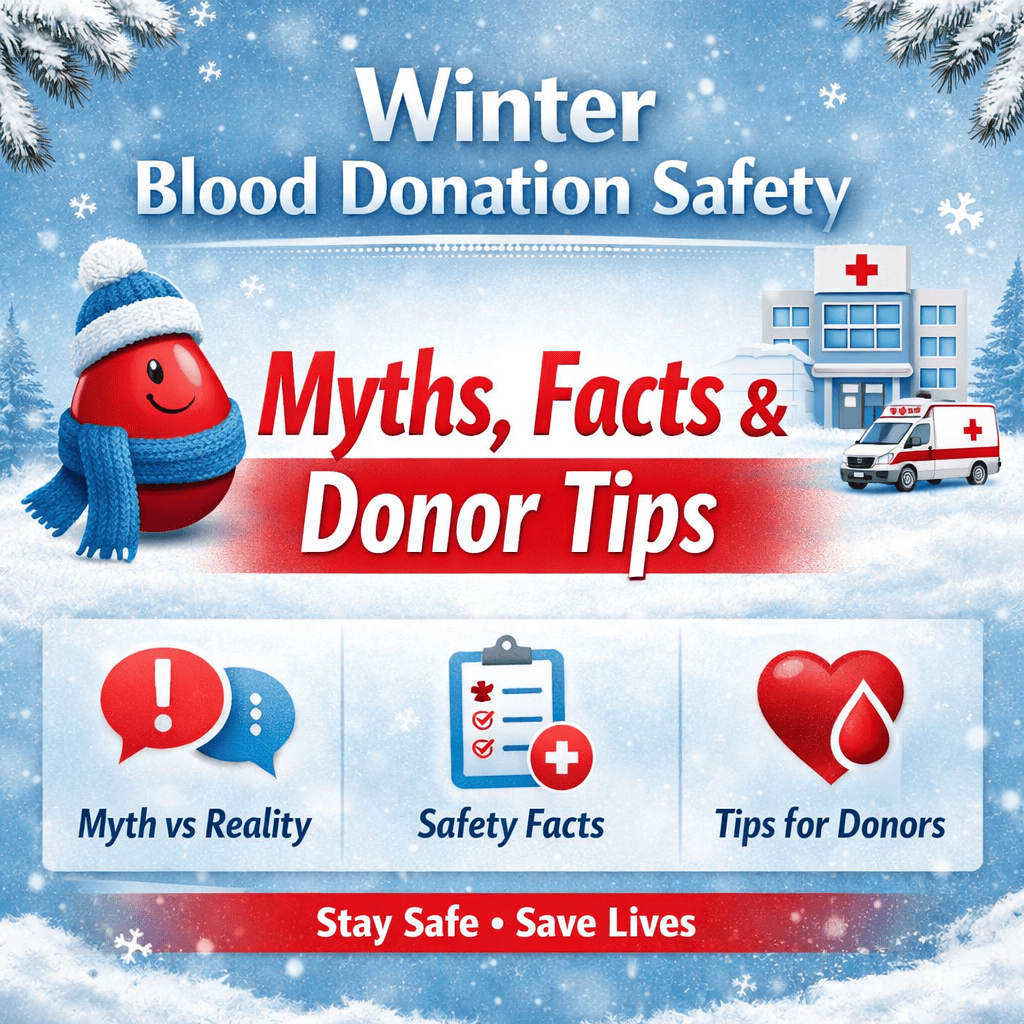
  • Is It Safe to Donate Blood in Winter? Facts You Should Know

    Is It Safe to Donate Blood in Winter? Facts You Should Know

    Winter often brings a drop in blood donations, even though the demand for blood remains constant in hospitals. Many people hesitate to donate during cold weather due to common myths about weakness, illness, or safety concerns. The truth is—blood donation is completely safe in winter if basic health guidelines are followed. In fact, donating blood during winter is more important than ever.

    Let’s clear the doubts and share the facts you should know before donating blood in winter.

    Why Blood Donation Drops in Winter

    During winter months, blood banks often face shortages. The main reasons include:

    • Cold weather reducing outdoor activities

    • Fear of catching a cold or flu

    • Misconceptions about weakness after donation

    • Fewer blood donation camps

    However, medical emergencies, surgeries, accidents, and treatments like cancer care continue year-round. This makes winter blood donation critical for saving lives.

    Is It Safe to Donate Blood in Winter?

    Yes, absolutely. Blood donation is safe in winter as long as you meet the eligibility criteria and are in good health. Cold weather does not affect the blood donation process or your body’s ability to recover.

    Blood donation centers follow strict hygiene and safety protocols throughout the year, including winter. Sterile equipment, trained professionals, and proper post-donation care ensure donor safety.

    Who Should Avoid Donating Blood in Winter?

    While winter donation is safe, you should temporarily avoid donating if:

    • You have a fever, cold, cough, or flu

    • You’re recovering from an infection

    • You feel weak or dehydrated

    Once you fully recover, you can safely donate blood again. Being honest about your health protects both you and the recipient.

    Benefits of Donating Blood in Winter

    Donating blood during winter has several benefits:

    • Helps hospitals manage seasonal blood shortages

    • Supports emergency cases caused by accidents and illnesses

    • Encourages a culture of year-round voluntary donation

    • Saves up to three lives with one donation

    Your single act can make a life-saving difference when blood supplies are low.

    How to Prepare for Blood Donation in Winter

    Proper preparation ensures a smooth and safe donation experience:

    1. Stay Warm

    Dress comfortably and keep yourself warm before and after donation to avoid chills.

    2. Eat a Healthy Meal

    Have a balanced meal rich in iron and protein. Include foods like spinach, lentils, eggs, fruits, and whole grains.

    3. Stay Hydrated

    People often drink less water in winter. Drink enough fluids before donating to prevent dizziness.

    4. Get Enough Rest

    A good night’s sleep helps your body recover faster after donation.

    What to Do After Donating Blood in Cold Weather

    Post-donation care is important, especially in winter:

    • Rest for 10–15 minutes after donation

    • Drink warm fluids if possible

    • Avoid heavy exercise for 24 hours

    • Keep the donation site clean and covered

    Most donors can resume normal activities the same day.

    Common Myths About Winter Blood Donation

    Myth: Donating blood in winter weakens immunity
    Fact: Blood donation does not reduce immunity in healthy individuals.

    Myth: You’ll fall sick after donating blood
    Fact: Properly screened donors recover quickly without health issues.

    Myth: Winter blood is not suitable for patients
    Fact: Blood quality remains the same regardless of season.

    How Blood Donation Apps Help in Winter

    Blood donation apps play a crucial role during winter by:

    • Connecting donors and patients faster

    • Sending emergency blood requests

    • Reducing response time during shortages

    • Building a reliable donor community

    With fewer camps in winter, digital platforms ensure help reaches those in need without delay.

    Final Thoughts

    Blood donation in winter is safe, necessary, and life-saving. If you’re healthy and meet the eligibility criteria, don’t let cold weather stop you from helping someone in need. Hospitals rely heavily on voluntary donors, especially during winter months.

    Your decision to donate blood today could be someone’s hope for tomorrow.

  • Blood Donation as an Act of Humanity Beyond Religion and Caste

    Blood Donation as an Act of Humanity Beyond Religion and Caste

    In moments of medical emergency, when a life hangs between hope and despair, one thing matters more than anything else—blood availability. At that critical moment, no one asks about religion, caste, language, or social status. Blood has no identity except one: it saves lives. Blood donation is one of the purest acts of humanity, standing far above divisions and differences that often separate society.

    Across cultures and communities, blood is the same. Whether it flows through the veins of a Hindu, Muslim, Sikh, Christian, or anyone else, its purpose remains unchanged—to sustain life. Yet, despite this universal truth, hesitation and misconceptions still prevent many people from donating blood. Recognizing blood donation as an act of humanity beyond religion and caste is essential to building a compassionate and responsible society.

    When Life Is at Stake, Humanity Comes First

    Accidents, childbirth complications, surgeries, cancer treatments, and chronic illnesses do not discriminate. A patient in need of blood does not get to choose who their donor will be. In emergency wards and ICUs, the only concern is finding the right blood group at the right time. In such moments, blood donors become silent heroes—people who step forward not for recognition, but to save a stranger’s life.

    Blood donation reminds us that humanity is our shared identity. A single unit of blood can save multiple lives, proving that a small act of kindness can create a powerful ripple of hope for families facing their darkest hours.

    Breaking Social Barriers Through Blood Donation

    For generations, society has been divided by caste systems, religious beliefs, and cultural differences. Blood donation challenges these barriers in the most profound way. When someone donates blood, they give a part of themselves without knowing who will receive it. That act itself becomes a symbol of equality—where every life is valued equally.

    Hospitals and blood banks do not label blood by caste or religion. They label it by type—A, B, AB, or O—because that is what truly matters. This reality offers a powerful lesson: our shared humanity is stronger than any social division.

    Compassion Without Conditions

    True humanity is expressed through unconditional compassion. Blood donation requires no emotional attachment, no personal benefit, and no expectation of return. It is selfless giving in its truest form. Many donors never meet the people whose lives they save, yet their contribution becomes a lifeline for someone they may never know.

    This unconditional act reflects the values that every faith and moral philosophy teaches—kindness, empathy, and service to others. Blood donation is one of the rare actions where these values come together in real, life-saving impact.

    Building a Culture of Unity and Responsibility

    Promoting blood donation as a humanitarian act can help foster unity in communities. When people from different backgrounds donate blood together at camps or drives, they participate in a shared mission: saving lives. This collective responsibility strengthens social bonds and builds trust across communities.

    Platforms like BloodSaathi play a crucial role in spreading awareness, connecting donors with those in need, and reminding society that helping others is a shared duty. Encouraging voluntary and regular blood donation ensures that no life is lost due to shortages or delays.

    A Call to Humanity

    Blood donation is not just a medical necessity—it is a moral responsibility. It teaches us that beyond all differences, we are connected by the same lifeline. By choosing to donate blood, we choose compassion over division, action over indifference, and humanity over hesitation.

  • Is Blood Donation Good for Skin & Health? Truth vs Myth

    Is Blood Donation Good for Skin & Health? Truth vs Myth

    Blood donation has always been considered an act of kindness, but many people also believe it brings surprising health and skin benefits. From “glowing skin” to “better heart health,” there are many claims—yet not all of them are true. So, is blood donation actually good for your skin and overall health? Let’s break down the facts vs myths.

    Understanding What Happens During Blood Donation

    When you donate blood, your body removes about 350–450 ml of blood. In response, your system immediately starts working to replace it. This triggers the production of new red blood cells, enhances oxygen circulation, and boosts overall blood flow.

    This natural regeneration is often linked to several health improvements.

    Health Benefits of Blood Donation — Backed by Facts

    1. Better Heart Health

    One of the most talked-about benefits is improved cardiovascular health.
    Regular blood donation may help in:

    • Reducing excess iron in the body

    • Lowering oxidative stress

    • Improving blood flow

    High iron levels are linked to heart issues and inflammation. Donating blood helps maintain healthy iron levels, which may reduce the risk of heart diseases over time.

    Myth Busted:
    Blood donation does not “clean your blood,” but it can help balance iron levels, which indirectly supports better heart functioning.

    2. Boosted Metabolism & Calorie Burn

    Many people don’t know this, but donating blood can burn up to 500–600 calories in a single session.
    This happens because your body uses energy to replenish lost blood.

    While blood donation is not a weight-loss method, this metabolic boost is scientifically observed.

    3. Reduced Risk of Certain Health Conditions

    Donating blood regularly is associated with:

    • Lower risk of hemochromatosis (iron overload disorder)

    • Balanced iron absorption

    • Reduced inflammation

    These benefits are especially helpful for people who naturally absorb too much iron.

    Now the Big Question: Does Blood Donation Improve Your Skin?

    The Truth: Indirectly, Yes. Directly, No.

    There is no direct scientific evidence that donating blood gives you glowing or fairer skin.
    However, the indirect effects of improved blood circulation and renewal of red blood cells may contribute to:

    • A fresher appearance

    • Better oxygen supply to the skin

    • Reduction in toxins due to improved blood flow

    When the body produces new blood cells, the improved circulation can make your skin look healthier and more radiant over time.

    Myth Busted:
    Blood donation will not “clear acne” or “remove pigmentation,” but the improved oxygenation may enhance the natural brightness of your skin.

    Skin & Health Benefits — What’s Real?

    Real Benefits

    ✔ Better blood circulation
    ✔ Improved iron balance
    ✔ Boosted metabolism
    ✔ Renewed red blood cell production
    ✔ Improved overall wellness

    Myths

    ✘ Blood donation instantly clears your skin
    ✘ Blood donation makes you fairer
    ✘ Blood donation detoxifies your body (your liver and kidneys do that)

    Is Blood Donation Safe?

    Absolutely — if you meet the eligibility criteria:

    • Minimum age: 18 years

    • Minimum weight: 50 kg

    • Hemoglobin levels within healthy range

    • No infections or major health issues

    The process is medically supervised, sterile, and safe for healthy donors.

    Most people recover fully within 24–48 hours with proper hydration and nutrition.

    Final Verdict: Is Blood Donation Good for Skin & Health?

    YES — but mostly for your overall health, not specifically for cosmetic improvements.

    Blood donation indirectly supports healthier skin through improved oxygenation and better blood flow, but the major benefits are internal:

    • Better heart health

    • Balanced iron levels

    • Boosted metabolic activity

    • Improved blood cell regeneration

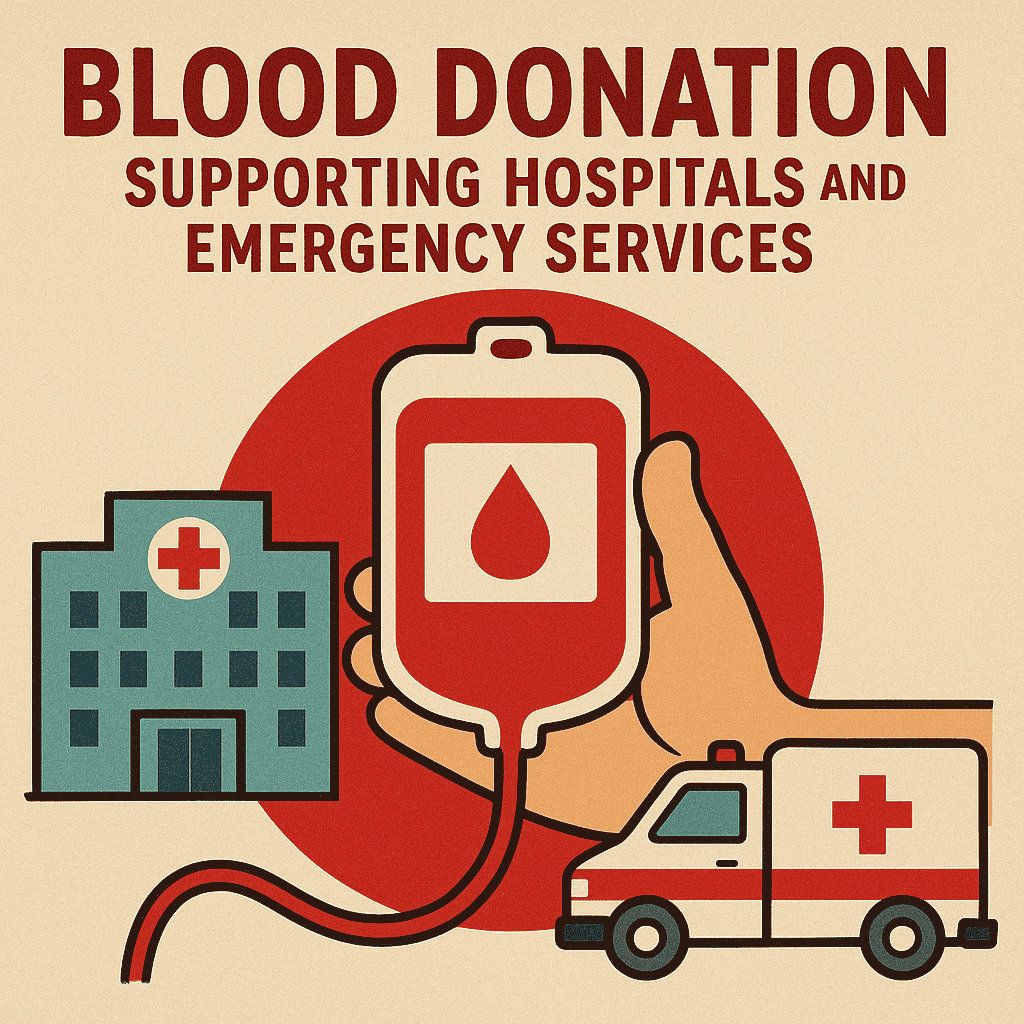
  • How Blood Donation Can Support Emergency Services and Hospitals

    How Blood Donation Can Support Emergency Services and Hospitals

    Blood donation is a simple yet powerful act that can save countless lives. Every year, millions of patients around the world depend on donated blood for survival, especially in emergency situations and hospital care. Despite its critical importance, blood shortages remain a persistent challenge. Understanding how blood donation supports emergency services and hospitals is essential for promoting awareness and encouraging more people to donate regularly.

    The Critical Role of Blood in Emergency Services

    Emergency services, including ambulance teams, trauma centers, and disaster response units, rely heavily on the availability of blood. In accidents, natural disasters, or life-threatening injuries, rapid access to blood can make the difference between life and death. Donated blood is used to replace lost blood, stabilize patients, and prevent complications like shock or organ failure.

    For instance, in road traffic accidents or severe burn cases, patients often require multiple blood transfusions within hours. Without a well-stocked blood bank, emergency medical teams cannot provide timely care, which directly impacts survival rates. Regular blood donations ensure that hospitals have the necessary reserves to respond effectively to such emergencies.

    Supporting Hospitals with Routine Medical Care

    Hospitals use donated blood not only in emergencies but also for routine medical treatments. Surgeries, cancer therapies, childbirth complications, and treatment of chronic illnesses often require blood transfusions. For example, patients undergoing major surgeries such as heart bypass or organ transplants rely on a steady supply of compatible blood.

    Blood donation also helps hospitals manage planned treatments without delays. A shortage of blood can postpone surgeries, extend hospital stays, and increase medical risks for patients. By donating blood, individuals contribute directly to the smooth functioning of healthcare facilities and improve patient outcomes.

    How Blood Donation Programs Strengthen Healthcare Systems

    Hospitals and emergency services implement structured blood donation programs to maintain adequate blood supply. Community blood drives, mobile blood donation units, and partnerships with organizations ensure a continuous inflow of donors. These programs also help maintain diverse blood types, including rare ones, which are critical for patients with unique needs.

    Moreover, regular donors allow hospitals to maintain an organized inventory system. Blood has a limited shelf life, and careful management is required to prevent wastage while ensuring availability. Consistent donations reduce the pressure on hospital staff and help maintain readiness for sudden emergencies.

    Encouraging Public Participation

    Awareness about the link between blood donation and emergency healthcare is crucial for motivating donors. Social media campaigns, community events, and educational initiatives highlight how a single donation can save up to three lives. Hospitals also encourage repeat donations, emphasizing that a steady flow of blood is essential to meet ongoing and unpredictable demands.

    Public participation in blood donation programs benefits everyone. When more people donate, hospitals and emergency services can focus on patient care rather than struggling with supply shortages. It fosters a culture of community responsibility and ensures that life-saving resources are always within reach.

    Conclusion

    Blood donation plays an indispensable role in supporting emergency services and hospitals. From trauma care to routine medical treatments, donated blood is vital for saving lives and maintaining efficient healthcare systems. By understanding its importance and participating in donation programs, individuals can contribute to a stronger, more responsive healthcare system.

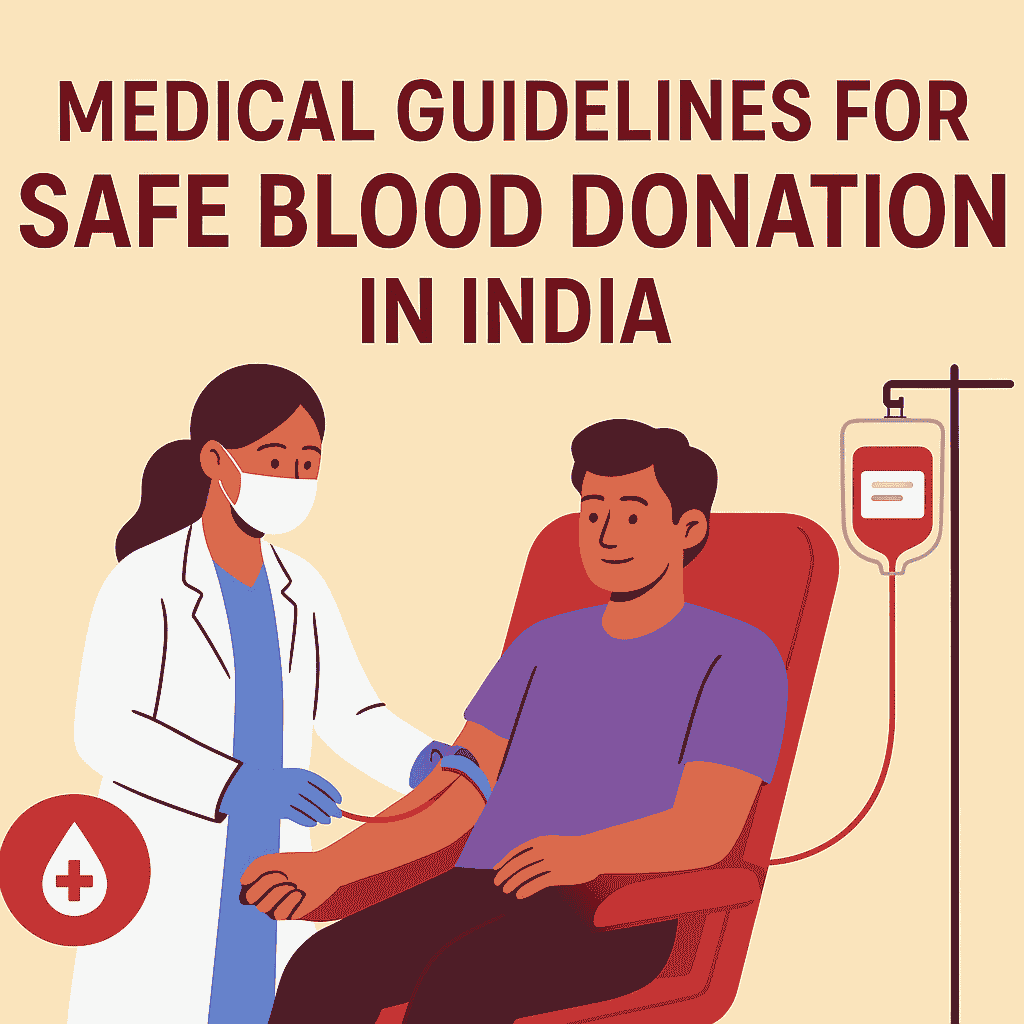
  • Medical Guidelines for Safe Blood Donation in India

    Medical Guidelines for Safe Blood Donation in India

    Blood donation is a lifesaving act that supports patients during surgeries, accidents, childbirth complications, cancer treatment, and chronic illnesses. In India, blood donation is strictly regulated to ensure the safety of both donors and recipients. Following proper medical guidelines helps maintain a safe and reliable blood supply while protecting donor health.

    This guide explains the medical guidelines for safe blood donation in India, based on recommendations followed by licensed blood banks and healthcare authorities.

    Why Medical Guidelines Matter

    Blood donation may seem simple, but it involves careful screening and medical standards. These guidelines are designed to:

    • Ensure donor safety before, during, and after donation

    • Prevent the spread of infections

    • Maintain the quality of collected blood

    • Protect patients who receive blood transfusions

    By following these rules, blood donation becomes a safe and responsible process.

    Basic Eligibility Criteria for Blood Donation in India

    To donate blood safely, donors must meet certain eligibility conditions:

    • Age: 18 to 65 years

    • Weight: Minimum 45 kg

    • Hemoglobin level: At least 12.5 g/dL

    • Pulse: Regular (60–100 beats per minute)

    • Blood pressure: Within normal range

    Individuals should be in good general health and free from acute illnesses at the time of donation.

    Medical Conditions That May Restrict Donation

    Certain health conditions can temporarily or permanently disqualify a person from donating blood. These include:

    • Fever, cold, cough, or active infection

    • Recent surgery or medical procedures

    • Pregnancy, miscarriage, or recent childbirth

    • Chronic conditions like uncontrolled diabetes or heart disease

    • History of hepatitis B or C, HIV, or other blood-borne infections

    Temporary deferrals are common and meant to protect both donor and recipient. Many people can donate again after recovery.

    Pre-Donation Medical Screening

    Before donation, every donor undergoes a basic medical check-up that includes:

    • Hemoglobin testing

    • Blood pressure and pulse check

    • Body temperature check

    • Medical history questionnaire

    This step ensures donors are fit and minimizes any health risks during donation.

    Guidelines Before Donating Blood

    To prepare for blood donation, donors should follow these medical suggestions:

    • Eat a light, healthy meal at least 2–3 hours before donation

    • Avoid alcohol for 24 hours before donation

    • Stay well-hydrated

    • Get adequate sleep the night before

    • Avoid smoking immediately before donation

    These steps help prevent dizziness or weakness after donation.

    Safe Blood Collection Process

    Blood donation in India is carried out using:

    • Sterile, single-use needles

    • Disposable blood bags

    • Trained medical staff

    The process usually takes 8–10 minutes, during which about 350–450 ml of blood is collected. Strict hygiene standards are followed to avoid any risk of infection.

    Post-Donation Care Guidelines

    After donating blood, proper care supports quick recovery:

    • Rest for 10–15 minutes at the donation site

    • Drink fluids such as water or juice

    • Avoid heavy exercise or lifting weights for 24 hours

    • Keep the bandage on for a few hours

    • Inform staff if you feel dizzy or uncomfortable

    Most donors return to normal activities the same day.

    Frequency of Blood Donation in India

    Medical guidelines recommend:

    • Men: Every 3 months (maximum 4 times a year)

    • Women: Every 4 months (maximum 3 times a year)

    This spacing allows the body to replenish blood safely.

    Importance of Voluntary Blood Donation

    Voluntary, unpaid blood donation is considered the safest source of blood. Regular, healthy donors form the backbone of India’s blood supply and help hospitals respond quickly to emergencies.

    Final Thoughts

    Blood donation in India follows strict medical guidelines to ensure safety, quality, and trust. When donors understand and follow these guidelines, they help save lives without putting their own health at risk.

    If you are healthy and eligible, donating blood is one of the simplest ways to make a meaningful difference. A single donation can save up to three lives, making you an everyday hero.

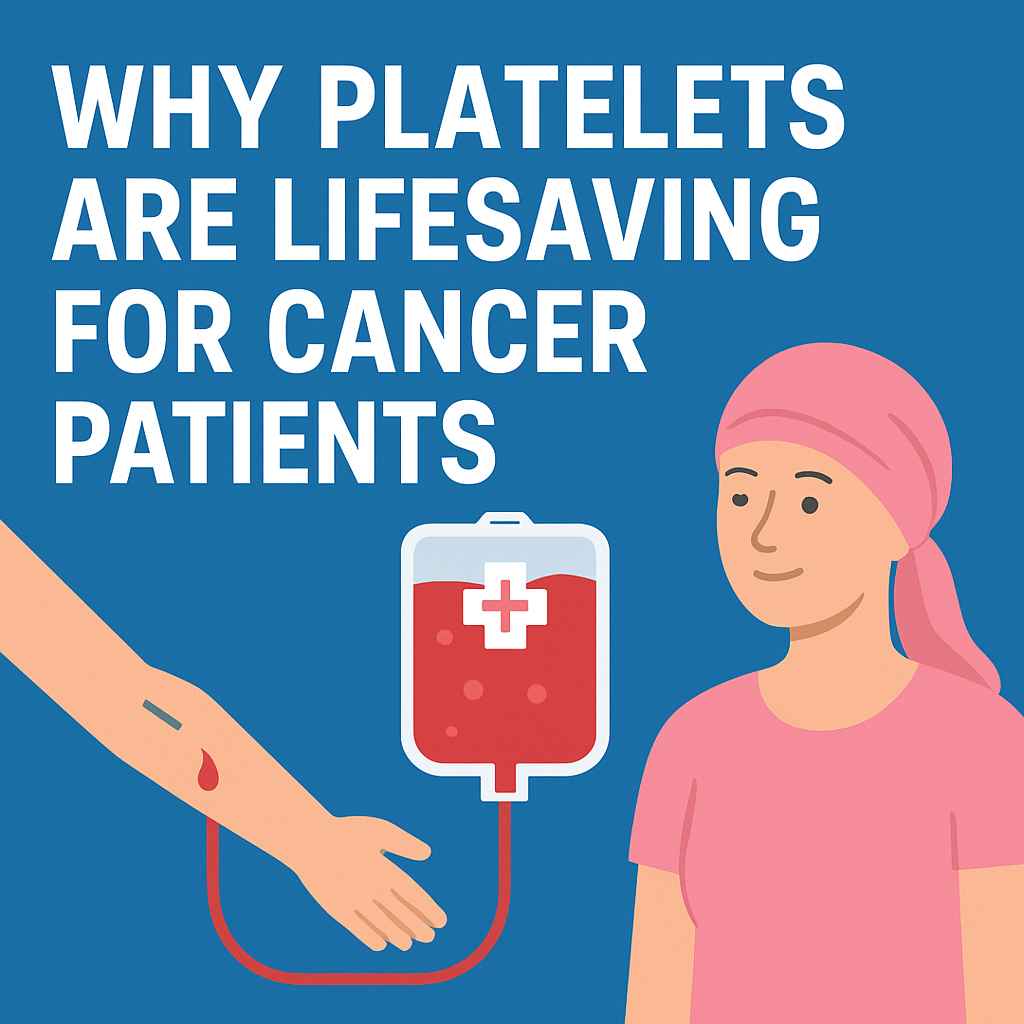
  • Platelet Donation for Cancer Patients: Why It’s Extremely Important

    Platelet Donation for Cancer Patients: Why It’s Extremely Important

    Platelet donation plays a silent yet life-saving role in cancer treatment. While most people know about blood donation, very few understand the importance of platelet donation—especially for cancer patients undergoing chemotherapy, radiation therapy, or bone marrow transplants. In reality, platelets are among the most urgently needed components in hospitals, and demand is consistently higher than supply.

    This blog explains why platelet donation is important for cancer patients, how it helps, who can donate, and why regular platelet donors are crucial for saving lives.

    What Are Platelets and Why Are They Vital?

    Platelets are tiny blood cells responsible for helping the body form clots and stop bleeding. Without enough platelets, even a minor injury can cause serious bleeding. This is why cancer patients, particularly those with blood cancers like leukemia or lymphoma, often rely on regular platelet transfusions.

    Low platelet counts—called thrombocytopenia—are extremely common during cancer treatment. Chemotherapy destroys not only cancer cells but also healthy blood-forming cells in the bone marrow. As a result, platelet levels drop to dangerously low levels, putting patients at risk of:

    • Internal bleeding

    • Prolonged bleeding from minor cuts

    • Nosebleeds and gum bleeding

    • Excessive bruising

    • Life-threatening complications

    For many patients, platelet transfusions are not optional—they are essential for survival.

    Why Platelet Donation Is Crucial for Cancer Patients

    1. Cancer Treatments Often Reduce Platelet Counts

    Most cancer therapies damage the bone marrow, which produces new blood cells. Without transfusions, platelet counts can fall so low that doctors must delay or stop treatment. Regular platelet donations help ensure patients can continue life-saving therapy on schedule.

    2. Platelets Have a Very Short Shelf Life

    Unlike whole blood, which lasts up to 35–42 days, platelets can be stored for only 5–7 days. This short shelf life means hospitals constantly need fresh platelet donations to meet daily demand. Even a temporary drop in donations can lead to shortages.

    3. Blood Cancer Patients Need Platelets Frequently

    Patients with leukemia, lymphoma, myeloma, or those undergoing bone marrow and stem cell transplants often need multiple platelet transfusions every week. One patient may require dozens of donations throughout their treatment journey.

    4. Platelet Donation Helps Prevent Life-Threatening Bleeding

    Cancer patients are highly vulnerable to internal and external bleeding. Platelet transfusions help stabilize their condition, reduce complications, and support safer recovery after treatments and surgeries.

    5. One Donation Can Help Multiple Patients

    Platelet donation is incredibly efficient. A single apheresis donation—collected using a special machine—can help three or more cancer patients, making every donor’s contribution extremely impactful.

    Who Can Donate Platelets?

    Eligibility for platelet donation is similar to blood donation but with a few differences. Most donors must:

    • Be between 18 and 60 years old

    • Weigh at least 50 kg

    • Have good vein health

    • Not have taken aspirin/NSAIDs in the past 48 hours

    • Meet standard blood donation health criteria

    Because platelets regenerate quickly, donors can donate every 7 days (up to 24 times a year), allowing them to help more patients frequently.

    Platelet Donation Process: Quick and Safe

    Platelet donation is performed through a process called apheresis, where a machine separates platelets from your blood and returns the rest to your body. The procedure typically takes 60–90 minutes, is completely safe, and causes no long-term side effects.

    Most donors return to their normal routine the same day.

    Why Platelet Donors Are Real Lifesavers

    Cancer patients depend on platelet donors daily. Without platelet transfusions, many treatments become impossible, and survival rates drop significantly. Every platelet donation helps a patient:

    • Continue treatment

    • Prevent bleeding complications

    • Recover faster

    • Stay hopeful

    Becoming a platelet donor is one of the most meaningful ways to support cancer patients.

    Final Thoughts

    Platelet donation is a life-saving act that directly supports cancer patients in their most vulnerable moments. With increasing cancer cases and short platelet shelf life, the need for regular donors is greater than ever. If you are eligible, consider becoming a platelet donor—you may give someone a chance to fight, heal, and survive.

  • Why Blood Shortages Happen Despite Millions of Eligible Donors

    Why Blood Shortages Happen Despite Millions of Eligible Donors

    Blood donation is often described as a simple act that can save lives. What makes the situation puzzling, however, is that millions of people are medically eligible to donate blood, yet hospitals and blood banks frequently report shortages. If the donor base is so large, why does the gap still exist?

    The answer lies not in eligibility alone, but in awareness, behavior, logistics, and perception. Understanding these factors helps explain why blood shortages remain a global and national challenge.

    1. Low Awareness Doesn’t Mean Low Willingness

    Many eligible donors are simply not aware of the constant need for blood. Most people assume blood banks are always well-stocked unless there’s an emergency. In reality, blood has a limited shelf life—red blood cells last about 42 days, platelets just 5–7 days—meaning a continuous supply is required.

    Blood donation often comes into public focus only during crises, accidents, or disasters. Outside these moments, the urgency fades from everyday conversations, leading to fewer regular donors.

    2. Fear, Myths, and Misconceptions

    A major reason for low participation is fear. Many people worry that donating blood will make them weak, cause long-term health issues, or be painful. Despite scientific evidence proving otherwise, myths continue to discourage potential donors.

    Common misconceptions include:

    • Blood donation causes severe weakness

    • Donors won’t recover quickly

    • The process is unsafe

    • It’s painful or risky

    These fears, when left unaddressed, quietly reduce donor turnout.

    3. Inconvenience and Time Constraints

    Modern lifestyles are busy. Even willing donors often postpone donation because of time constraints, location issues, or lack of nearby camps. Blood donation requires planning—traveling to a center, waiting, and recovery time—which can feel overwhelming for people juggling work and family responsibilities.

    When donation isn’t easily accessible, interest doesn’t always convert into action.

    4. Lack of Regular Donors

    One-time donors form a large part of the donor base, but regular donors are far fewer. Blood banks depend heavily on repeat donors to maintain stable supplies.

    Many first-time donors don’t return simply because:

    • They aren’t followed up with

    • There’s no reminder system

    • They don’t realize they can donate again safely

    Without structured engagement, eligible donors slowly drift away.

    5. Uneven Distribution of Donors

    Blood shortages often aren’t about overall numbers—they’re about where blood is available. Urban areas may see better donation rates, while rural or remote regions struggle.

    Similarly, certain blood groups—especially rare blood types—are perpetually in short supply. Even if millions can donate, matching the right blood group at the right place and time is a major challenge.

    6. Seasonal Drops and Emergency Spikes

    Blood donation trends are not consistent year-round. Donations often drop during:

    • Festivals

    • Extreme weather

    • Exam seasons

    • Holidays

    At the same time, demand doesn’t slow down. Accidents, surgeries, childbirth complications, cancer treatments, and chronic illnesses require blood daily. This imbalance leads to frequent shortages.

    7. Limited Awareness Campaigns and Engagement

    Unlike other public health initiatives, blood donation campaigns often lack consistent, long-term engagement. Awareness efforts are event-based rather than sustained, which makes it hard to build a donation habit.

    People are more likely to donate when:

    • Education is continuous

    • Stories are shared

    • Impact is visible

    Without emotional and informational reinforcement, motivation fades.

    Moving from Eligibility to Action

    Blood shortages don’t exist because people don’t care—they exist because the system relies on intention instead of habit. Bridging this gap requires:

    • Regular awareness programs

    • Myth-breaking education

    • Easy and accessible donation options

    • Digital reminders and donor tracking

    • Story-driven campaigns that show real impact

    When eligible donors become regular donors, shortages decline.

    Conclusion

    Having millions of eligible donors doesn’t guarantee a stable blood supply. Awareness, accessibility, trust, and consistency play a much bigger role. Solving blood shortages requires more than eligibility—it demands education, engagement, and a culture of regular donation.

  • One Unit of Blood Can Save Three Lives: How?

    One Unit of Blood Can Save Three Lives: How?

    Blood donation is one of the most powerful acts of humanity—simple, quick, and lifesaving. You may have often heard the phrase “One unit of blood can save three lives.” But how is this possible? Understanding what happens after blood is donated helps us realize why every drop matters and why regular blood donation is so important.

    What Is One Unit of Blood?

    When a person donates blood, approximately 350–450 ml (about one unit) of whole blood is collected. This donation is safe for a healthy adult, and the body naturally replenishes the donated blood within a few weeks. What makes this act extraordinary is that this single unit is not used as-is for only one patient—it is carefully processed and divided into multiple components.

    Separation of Blood Components

    After donation, the collected blood is sent to a blood bank or processing center. Here, it is separated into three main components using specialized equipment:

    1. Red Blood Cells (RBCs)

    2. Platelets

    3. Plasma

    Each component serves a unique medical purpose and can be given to different patients. This is how one unit of blood can potentially help three different people, each with different medical needs.

    How Each Component Saves Lives

    1. Red Blood Cells – Helping Patients Breathe and Survive

    Red blood cells are responsible for carrying oxygen from the lungs to the rest of the body. Patients who suffer from:

    • Severe blood loss due to accidents or surgeries

    • Anemia

    • Childbirth-related complications

    • Major trauma

    often require RBC transfusions. One unit of donated blood can provide enough red blood cells to stabilize a patient in critical condition and help restore oxygen levels in the body.

    2. Platelets – Lifesaving for Cancer and Critical Patients

    Platelets help the blood clot and prevent excessive bleeding. They are especially vital for:

    • Cancer patients undergoing chemotherapy

    • Leukemia patients

    • Dengue and viral fever patients

    • Those with severe bleeding disorders

    Platelets have a very short shelf life (usually 5–7 days), which makes regular blood donation essential. Platelet transfusions can prevent life-threatening bleeding and help patients recover safely.

    3. Plasma – Treating Burns, Shock, and Clotting Disorders

    Plasma is the liquid portion of blood that carries proteins, hormones, and clotting factors. Plasma transfusions are commonly used for:

    • Burn victims

    • Patients in shock

    • Liver disease patients

    • People with clotting disorders such as hemophilia

    Plasma plays a crucial role in maintaining blood pressure, volume, and proper clotting—often making the difference between life and death in emergencies.

    Beyond Three Lives: Even Greater Impact

    In some cases, blood components can be further processed into specialized products like:

    • Cryoprecipitate (for clotting factor deficiencies)

    • Plasma-derived therapies

    This means a single donation may indirectly help even more than three patients, especially in large hospitals and trauma centers.

    Why Regular Blood Donation Matters

    The demand for blood is constant. Road accidents, surgeries, cancer treatments, childbirth complications, and medical emergencies happen every day. Blood cannot be manufactured—it can only come from generous donors.

    Regular voluntary donation ensures:

    • A stable blood supply

    • Availability of different blood groups

    • Emergency readiness

    • Reduced dependency on replacement donors

    A Small Act with a Massive Impact

    Donating blood takes about 10–15 minutes, but its impact can last a lifetime for someone in need. The phrase “one unit of blood can save three lives” is not just a slogan—it is a medical reality backed by science and daily hospital practices.

    By choosing to donate blood, you are choosing to give hope, health, and life. A single act of kindness can turn into three second chances at life.

  • What Are WBC and RBC? Understanding Their Role in Your Body

    What Are WBC and RBC? Understanding Their Role in Your Body

    Our blood is much more than a red fluid flowing through our veins—it’s a complex system that keeps our body alive and healthy. Two of the most important components of blood are Red Blood Cells (RBCs) and White Blood Cells (WBCs). Each plays a critical role in maintaining your overall health, from transporting oxygen to defending against infections. Understanding these cells helps you appreciate why regular health checkups and blood tests are so important.

    What Are Red Blood Cells (RBCs)?

    Red Blood Cells, also known as erythrocytes, are the most abundant cells in your blood. Their primary function is to carry oxygen from your lungs to the rest of your body and transport carbon dioxide back to the lungs to be exhaled.

    Key Features of RBCs

    • Shape: RBCs are biconcave discs, which increases their surface area for efficient oxygen transport.

    • Lifespan: Each RBC typically lives for about 120 days before being recycled by the spleen.

    • Composition: RBCs contain hemoglobin, a protein rich in iron that binds oxygen.

    Importance of RBCs

    • RBCs deliver oxygen to tissues and organs, enabling them to function properly.

    • Low RBC count can lead to anemia, causing fatigue, weakness, and shortness of breath.

    • High RBC count, although less common, can increase the risk of blood clots and cardiovascular issues.

    What Are White Blood Cells (WBCs)?

    White Blood Cells, or leukocytes, are the defenders of your body. Unlike RBCs, WBCs are part of the immune system and help your body fight infections, bacteria, viruses, and other foreign invaders.

    Types of WBCs

    There are several types of WBCs, each with a unique function:

    1. Neutrophils: Attack bacteria and fungi.

    2. Lymphocytes: Produce antibodies and regulate immune responses.

    3. Monocytes: Remove dead or damaged cells and support immune defense.

    4. Eosinophils: Fight parasites and are involved in allergic reactions.

    5. Basophils: Release histamine during inflammation and allergic reactions.

    Importance of WBCs

    • WBCs protect the body from infections and illnesses.

    • A low WBC count (leukopenia) can make you more susceptible to infections.

    • A high WBC count (leukocytosis) may indicate infection, inflammation, or other medical conditions.

    How WBCs and RBCs Work Together

    While RBCs and WBCs have different functions, they work together to maintain health:

    • RBCs ensure tissues receive oxygen to perform their functions.

    • WBCs monitor these tissues and protect them from infections or abnormal cells.

    • Together, they form a balanced blood system that supports life and immunity.

    Maintaining Healthy RBC and WBC Levels

    Keeping your blood cells at healthy levels is essential. Here are some tips:

    For Healthy RBCs

    • Eat iron-rich foods like spinach, red meat, beans, and fortified cereals.

    • Ensure adequate vitamin B12 and folic acid intake.

    • Avoid excessive blood loss and stay hydrated.

    For Healthy WBCs

    • Eat foods rich in vitamins C, E, and zinc to strengthen immunity.

    • Maintain a balanced diet and regular exercise.

    • Get adequate sleep and reduce stress to support immune function.

    Conclusion

    Both RBCs and WBCs are essential for your body’s survival and overall health. RBCs act as oxygen carriers, fueling your organs and tissues, while WBCs serve as vigilant protectors against infections and diseases. Regular blood tests can help monitor your RBC and WBC counts, allowing for early detection of potential health issues. By maintaining a healthy lifestyle, balanced diet, and routine checkups, you can ensure that your blood cells continue to work effectively, keeping your body healthy and strong.

  • Blood Donation and Immunity: Does It Affect Your Health?

    Blood Donation and Immunity: Does It Affect Your Health?

    Blood donation is a powerful act of kindness that saves lives every day. Despite its importance, many people hesitate to donate blood due to concerns about weakness, immunity, or long-term health effects. One of the most common questions is whether donating blood can weaken the immune system. Let’s explore what science says and separate facts from myths.

    Understanding Blood Donation and the Immune System

    The immune system protects the body against infections using white blood cells, antibodies, and other defense mechanisms. During a standard whole blood donation, approximately 350–450 ml of blood is collected. This primarily includes red blood cells and plasma. Importantly, white blood cells—key components of the immune system—are only minimally affected.

    The human body is well-equipped to replenish lost blood. Plasma is replaced within 24–48 hours, and red blood cells are typically regenerated within a few weeks. Because of this efficient recovery process, blood donation does not cause lasting harm to the immune system in healthy individuals.

    Does Blood Donation Lower Immunity?

    For most healthy donors, blood donation does not weaken immunity. Multiple medical studies and health organizations confirm that occasional or regular blood donation is safe when done according to recommended guidelines. The body maintains enough white blood cells even after donation to continue fighting infections effectively.

    However, temporary changes can occur. Some donors may feel mild fatigue or lightheadedness shortly after donating, but this is usually due to a temporary drop in blood volume—not immune suppression. These symptoms typically resolve within a day or two with proper rest, hydration, and nutrition.

    Can Blood Donation Improve Health?

    Interestingly, regular blood donation has been linked to certain health benefits. Some studies suggest that donating blood may help reduce excess iron levels in the body, which can lower the risk of oxidative stress and certain cardiovascular issues. Balanced iron levels also support healthy immune function.

    Additionally, the pre-donation screening process often includes checks for hemoglobin levels, blood pressure, and overall fitness. This can help donors stay more aware of their health status and catch potential issues early.

    Who Should Be Cautious?

    While blood donation is safe for most adults, certain individuals should consult a healthcare professional before donating. These include people with frequent infections, chronic illnesses, autoimmune conditions, or those who are recovering from surgery or illness. Low hemoglobin levels can also be a reason for temporary deferral, as iron plays a crucial role in immune health.

    Women, especially those with anemia or low iron levels, should pay extra attention to proper nutrition before and after donating. Maintaining a well-balanced diet ensures that the immune system remains strong and resilient.

    Tips to Maintain Immunity After Donating Blood

    To support your immune health after blood donation:

    • Stay hydrated to help your body replenish plasma quickly.

    • Eat iron-rich foods such as leafy greens, lentils, beans, and lean meats.

    • Include vitamin C to enhance iron absorption.

    • Rest adequately, especially in the first 24 hours.

    • Avoid strenuous exercise on the day of donation.

    Following these simple steps helps your body recover smoothly and keeps your immunity intact.

    Myths vs. Facts About Blood Donation and Immunity

    Myth: Donating blood makes you weak for weeks.
    Fact: Any weakness is temporary and usually resolves within a day or two.

    Myth: Blood donation lowers immunity permanently.
    Fact: In healthy individuals, immunity remains stable and functional.

    Myth: Frequent donors are more prone to illness.
    Fact: Regular donors who follow guidelines often maintain good overall health.

    Final Thoughts

    Blood donation does not negatively affect immunity in healthy individuals. On the contrary, when done responsibly, it is a safe practice with potential health awareness benefits. The body’s natural ability to regenerate blood ensures that immune defenses remain strong.

    By donating blood, you are not only giving someone a chance at life but also participating in a healthy, regulated medical process. With proper care, nutrition, and rest, blood donation remains one of the safest and most impactful ways to contribute to society—without compromising your health.